


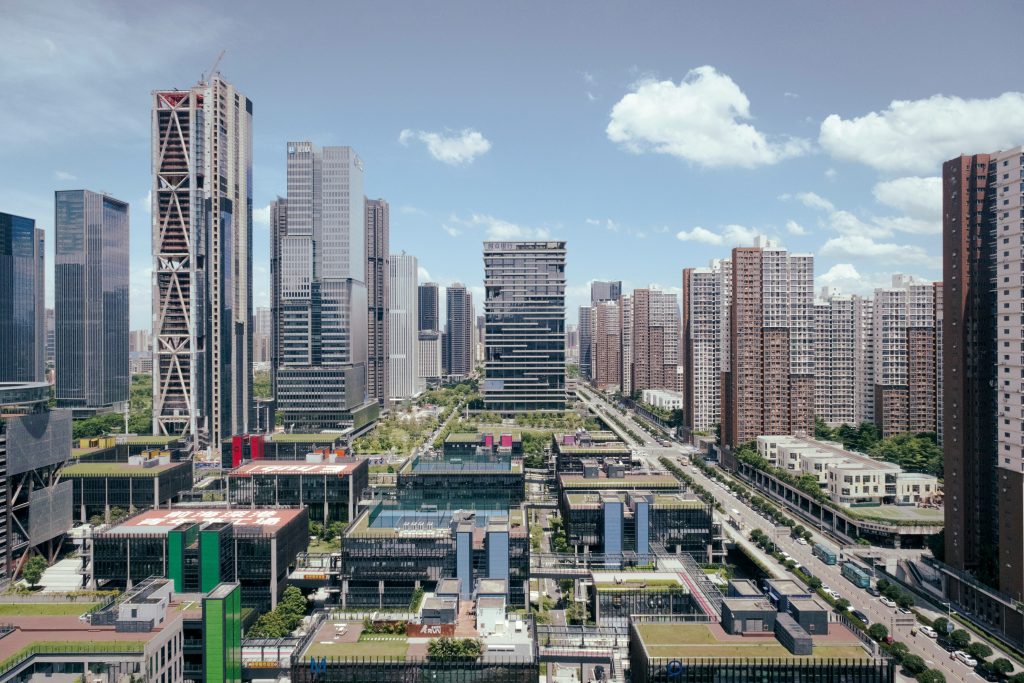
Major advances in technology, climate planning, and artificial intelligence are set to reshape daily life in cities by 2050, according to a new report released by the Global Future Institute on Friday. The study outlines how urban centres worldwide will undergo dramatic changes as governments and tech companies race to build smarter, cleaner, and more resilient environments.
Researchers say that by mid-century, more than 70% of the world’s population will live in cities — many of which will operate with near-fully automated infrastructure powered by AI.
AI-Driven Cities Will Become the Norm
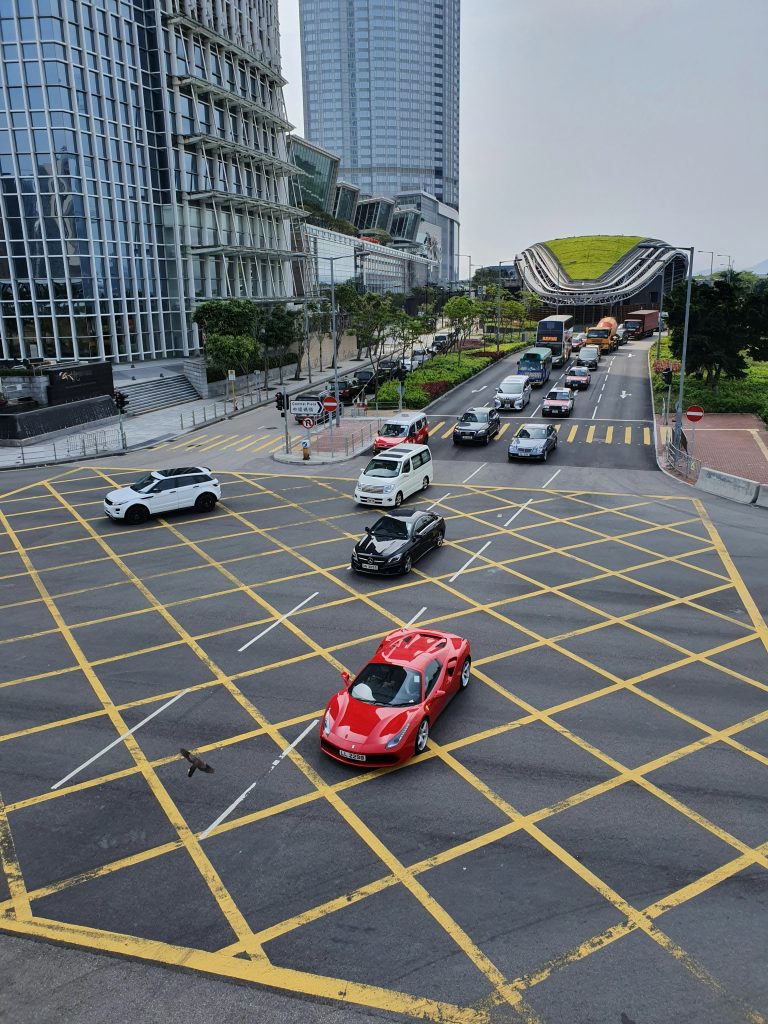
The report predicts that artificial intelligence will manage everything from traffic flow and energy distribution to waste collection. Smart sensors embedded in streets and buildings will allow cities to “self-adjust” in real time.
“By 2050, AI will be as fundamental to city operations as electricity,” said Dr. Lina Murray, the report’s lead author. “Citizens may not even notice the systems running underneath — but they will feel the impact through safer streets, shorter commutes, and cleaner air.”
Autonomous vehicles are expected to eliminate up to 80% of traffic accidents, while AI-powered public transport could reduce congestion dramatically.
Buildings Will Become Living, Breathing Structures
Future skyscrapers will double as vertical forests, generating their own energy through solar skins and micro-turbines. Many will even harvest rainwater and recycle household waste into usable materials.
Cities such as Singapore, Toronto, and Copenhagen are already testing these “adaptive buildings,” which can change their shading, ventilation, and power usage automatically.
“These structures will be more like organisms than buildings,” Murray explained. “They will respond to weather, pollution levels, and even human movement.”
Climate-Resilient Design Becomes Essential
Rising sea levels and increasingly extreme weather will force coastal cities to adopt new defensive systems. Floating residential districts, elevated parks, and amphibious homes may become standard features.
According to the report, nearly 40 major cities — including New York, Tokyo, and Jakarta — may need to implement large-scale climate adaptation projects by 2050 to stay habitable.
Robotics Will Play a Major Role in Daily Life
From healthcare assistants to construction bots, robotics will become integrated into everyday activities. In hospitals, robots may handle medication delivery and sterilisation tasks. In homes, household robots could manage chores and monitor elderly residents.
Retail is expected to shift dramatically as well. Stores may transition to fully automated checkouts and robot-assisted inventory systems.
A More Connected but More Monitored World
The study warns that the increase in AI and sensor networks will also raise concerns about privacy. Cities may need to introduce strict data-protection frameworks to prevent misuse of personal information.
“Smart cities will only work if people trust the systems,” said Murray. “Transparency and digital rights will be crucial.”
What Life Might Feel Like in 2050
Suggested Image 7 (Ending Image):
A family or group of people interacting with futuristic tech—AR glasses, holographic screens, or smart home devices.
Daily life may become more efficient, more connected, and far more sustainable. Homes will adjust temperatures automatically, autonomous taxis will arrive within seconds, and medical checkups could be performed through wearable sensors.
Yet experts caution that the future will depend on decisions made today — including how cities invest, regulate technology, and respond to climate change.
