

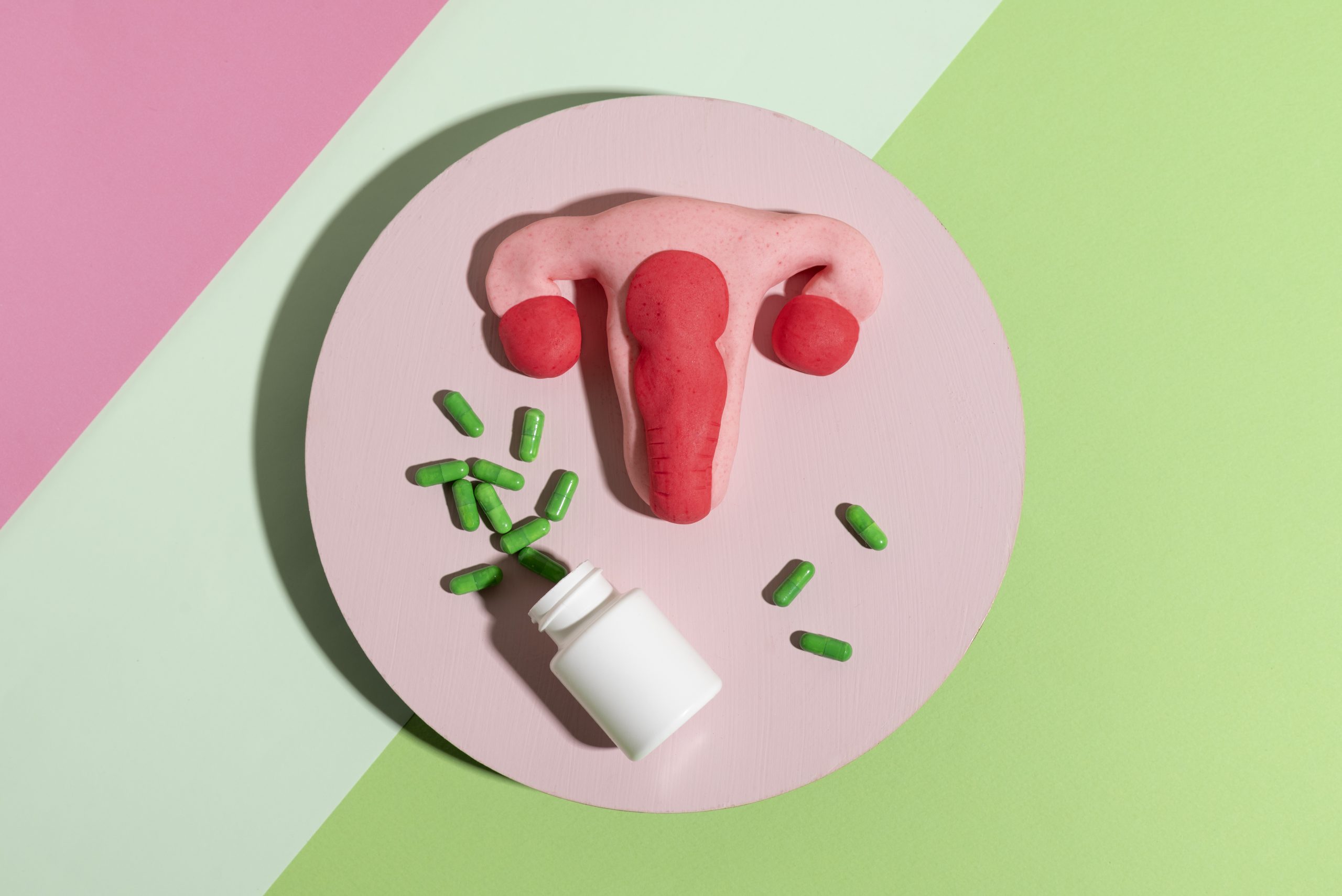
Inside the vagina lies a finely balanced ecosystem — a thriving community of bacteria, fungi and viruses competing for space and nutrients.
Many of these microscopic residents play a far more significant role in women’s health than once thought. When Lactobacillus bacteria dominate, the risks of infertility, miscarriage, preterm birth and even cervical cancer drop noticeably.
This discovery has sparked an international push to develop new diagnostic tools and targeted treatments that support this essential microbial community. If successful, they could usher in a new era of personalised reproductive medicine.
How does the vaginal microbiome influence health — and how can women protect it?
During childhood, the vaginal microbiome is typically shaped by anaerobic microbes — bacteria that thrive without oxygen. But as oestrogen levels rise during puberty, the environment transforms into an ideal habitat for Lactobacillus, a group of bacteria that appear to be uniquely beneficial.
Lactobacillus protect against infection by preventing harmful microbes from taking hold.
“They crowd out pathogens, competing with them for nutrients and space,” explains Chrysi Sergaki, head of microbiome at the UK’s Medicines and Healthcare products Regulatory Agency (MHRA).
They also produce lactic acid, making the vagina an inhospitable environment for invaders.
“It becomes hostile for harmful microbes,” Sergaki says. “They can regulate local immune responses and even produce natural antibiotics — they essentially kill off bacteria that try to enter.”
When this balance is disrupted and Lactobacillus decline — a state known as vaginal dysbiosis — infections such as bacterial vaginosis, thrush and urinary tract infections become more common.
Sexually active women face additional risks: dysbiosis increases susceptibility to STIs, including HIV.
“In Cape Town, HIV rates are around 20–30%, yet some sex workers appear to escape infection,” says Laura Goodfellow, a clinical lecturer in women’s and children’s health at the University of Liverpool. “Their risk is linked to what’s happening in their vaginal microbiota. Lower proportions of Lactobacillus increase the likelihood of acquiring HIV.”
The same is true for HPV, the leading cause of cervical and other reproductive cancers. Women with dysbiosis take longer to clear HPV infections and face a greater chance of them developing into cervical cancer.
“The microbiome is a bit like a forest,” Goodfellow explains. “In a healthy forest, seeds won’t grow because the ecosystem is already robust. But when that ecosystem is weakened, harmful bacteria or viruses can take root more easily.”
A predictor of pregnancy outcomes
Emerging evidence suggests the vaginal microbiome helps determine a woman’s ability to conceive and carry a pregnancy to term. Low levels of Lactobacillus are linked to miscarriage, ectopic pregnancy and a slightly higher chance of preterm birth — defined as delivery before 37 weeks.
“It’s not the only factor, and many women with dysbiosis will deliver at term,” Goodfellow notes. “But it does appear to raise the risk.”
Another beneficial bacterium, Bifidobacterium, may also help reduce the likelihood of preterm birth, though it is present in fewer than 5% of women.
There’s evidence, too, that dysbiosis may lower the chances of success with fertility treatments. “If someone has dysbiosis and undergoes IVF, it may be slightly less likely to work,” Goodfellow says.
One theory centres on inflammation — the body’s defence response to injury or infection. While some inflammation is healthy, excessive levels are linked to a wide range of diseases. In the vagina, placenta or developing foetus, excess inflammation may trigger miscarriage or preterm labour, or make conception less likely.
Women with Lactobacillus-rich microbiomes have lower levels of inflammatory proteins in vaginal fluid, Goodfellow explains. Dysbiosis, by contrast, appears to heighten inflammation, which may drive adverse outcomes.
Lactobacillus is also well known for reducing inflammation in the gut, suggesting a similar protective role across the body.
“Having a strong microbiome helps prevent bacterial vaginosis, which in turn helps prevent preterm birth,” Sergaki notes.
A new era of personalised medicine
Could improving the vaginal microbiome reduce the risk of preterm birth or infertility?
Researchers at Imperial College London are testing exactly that through a clinical trial using Lactin-V — a probiotic containing live Lactobacillus crispatus. The aim is to see whether it can lower the rate of premature birth among high-risk women.
Their early findings are promising. A L. crispatus-dominated microbiome is linked with reduced risk of preterm delivery, and vaginal supplementation appears capable of reshaping the microbiome. The team also discovered a link between blood type and preterm birth risk: women with blood groups B and O had a higher risk, while those with blood group A had lower risk — possibly because they tend to carry more L. crispatus.
Scientists in South Africa, the UK and the US are also exploring whether Lactin-V can reduce HIV risk among women who are highly vulnerable.
Sergaki and Goodfellow are part of a group advocating for microbiome-based diagnostic tools that could read a woman’s bacterial “fingerprint” and predict her risk of miscarriage, infertility, preterm birth or cervical cancer. This could allow early intervention — and increasingly personalised care.
“We already know from the gut that bacterial signatures reflect health and disease,” Sergaki says. “We’re now seeing the same is true for the vaginal microbiome.”
HPV testing — now the primary method in cervical screening — is already a real-world example of such an approach.
Caring for the vaginal microbiome
Protecting this delicate microbial ecosystem requires thoughtful choices. Some common hygiene practices can do more harm than good.
Vaginal douching — rinsing the vagina with water or cleansing products — is linked to higher risks of BV, pelvic inflammatory disease and preterm birth. Similarly, gels, sprays and wipes marketed as “feminine hygiene” products can disrupt the microbial balance.
Barrier contraception can help support healthy bacteria. Studies show that condom users tend to have higher levels of Lactobacillus, likely because semen contains its own microbial community that can shift the vaginal environment.
Diet also matters. Deficiencies in vitamins A, C, D, E, β-carotene, folate and calcium are associated with an increased risk of BV. High-fat diets may also raise the risk. Some — though not all — studies suggest that obesity is linked with lower levels of Lactobacillus.
Smoking, too, has a measurable impact. One study found that half of smokers had Lactobacillus-depleted microbiomes, compared with just 15% of non-smokers. Smokers also experience higher rates of BV and greater risk of preterm birth.
Quitting smoking, maintaining a healthy BMI and eating a nutrient-rich diet can therefore all help protect vaginal health.
“Plenty of leafy greens, sufficient sleep, staying hydrated,” says Goodfellow. “All the things that support your general health are likely to support your vaginal microbiome too.”
