

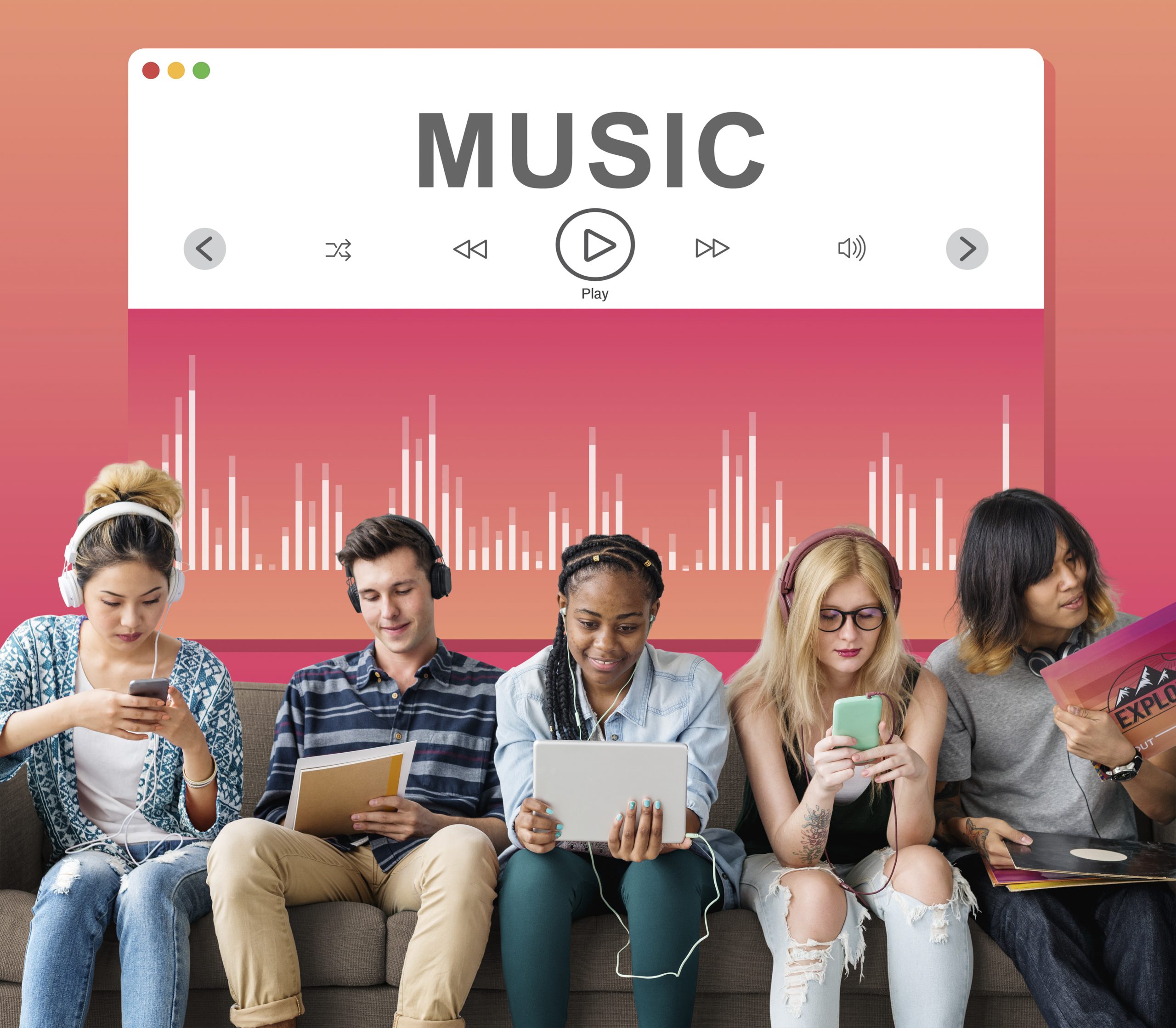
Global music culture is undergoing a noticeable transformation in 2026, as local-language songs and independent artists increasingly dominate streaming charts worldwide, challenging long-standing assumptions about English-language pop and major-label dominance.
Recent chart data and industry analysis show that audiences across Europe, Latin America, Africa, and Asia are spending more time listening to music produced closer to home — both culturally and linguistically — while global platforms amplify regional scenes rather than replacing them.
Local Becomes Global
Streaming services have made it easier for music to travel without passing through traditional industry gatekeepers. Songs in Spanish, Korean, Arabic, Hindi, and African regional languages are now charting internationally, often driven by social media virality and playlist discovery rather than radio play.
Music analysts say this marks a cultural shift: listeners are no longer relying on a single global pop sound, but embracing multiple parallel mainstreams shaped by local identity and storytelling.
Independent Artists Gain Ground
Independent musicians are benefiting most from this change. Without the pressure to conform to international pop formulas, many artists are releasing music rooted in regional sounds, folklore, or contemporary local issues. Some have built global followings without signing major label deals, using platforms like short-form video apps and direct-to-fan engagement.
Industry observers note that production quality gaps between independent and major-label releases have narrowed significantly, making authenticity and originality more valuable than scale alone.
Algorithms Reshape Cultural Influence
Streaming algorithms play a crucial role in this evolution. Recommendation systems increasingly prioritize engagement over geographic origin, allowing niche or regional tracks to surface organically to global audiences.
While critics warn that algorithms can still reinforce trends unevenly, many cultural commentators argue that digital discovery has democratized exposure more than any previous era in music history.
Changing Notions of Stardom
The rise of multilingual and independent success is also redefining celebrity in music. Artists may be household names in specific regions while remaining relatively unknown elsewhere — yet still achieve massive streaming numbers and sustainable careers.
This fragmented model of fame contrasts sharply with earlier decades dominated by a small number of globally recognized superstars.
A Broader Cultural Signal
Cultural researchers say the shift reflects wider trends beyond music. As audiences seek representation, authenticity, and connection, global culture is becoming less centralized and more pluralistic.
Rather than erasing cultural differences, today’s music ecosystem appears to be amplifying them — and turning diversity into the new mainstream.
Looking Ahead
As streaming platforms continue to expand and audiences grow more curious, experts expect local music scenes to gain even greater international visibility. The future of global culture, they argue, may not belong to one sound or language — but to many, existing side by side.
