

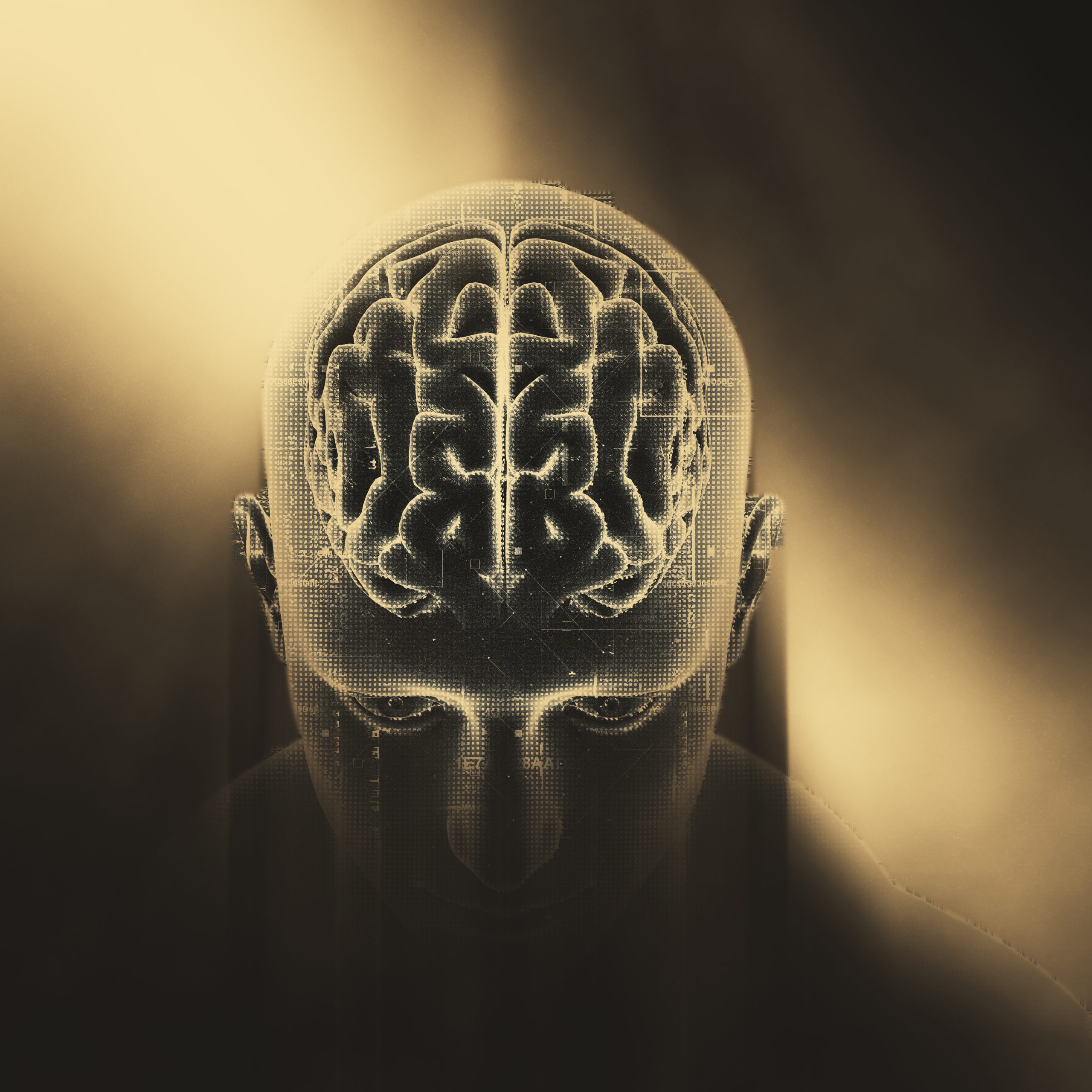
Scientists exploring the human brain say neuroscience is entering one of the most consequential periods in its history. From mapping neural circuits in unprecedented detail to decoding how memories form, researchers are uncovering insights that could revolutionize medicine, education, and even artificial intelligence.
Mapping the Brain at Microscopic Scale
A new generation of brain-mapping projects is revealing neural connections with extraordinary precision. Initiatives linked to the Human Brain Project have produced high-resolution digital models of neural networks, enabling scientists to simulate brain activity in virtual environments.
These efforts aim to understand how billions of neurons coordinate to generate thought, emotion, and consciousness — questions that have challenged science for centuries.
Breakthroughs in Alzheimer’s Research
One of the most urgent areas of neuroscience is the fight against neurodegenerative disease. Studies conducted at the Mayo Clinic have identified new biomarkers that may allow earlier detection of Alzheimer’s and related disorders.
Researchers are also testing therapies designed to clear harmful protein accumulations before cognitive symptoms appear. Though a cure remains elusive, experts say progress in early diagnosis represents a critical shift in strategy.
Brain–Machine Communication Advances
Scientists at institutions such as University College London are developing advanced brain–machine interfaces capable of translating neural signals into digital commands. Early trials have enabled paralyzed patients to communicate through thought-controlled devices.
These technologies may eventually restore mobility or speech for individuals with severe injuries, though ethical concerns about cognitive privacy are growing.
Memory, Emotion, and Mental Health
Understanding how the brain processes trauma, anxiety, and depression is becoming a global priority. Research teams supported by the National Institute of Mental Health are exploring how stress alters neural pathways and how targeted therapies might reverse those changes.
Emerging treatments include non-invasive brain stimulation, personalized therapy guided by neural imaging, and AI-assisted mental health diagnostics.
Consciousness Remains a Scientific Frontier
Despite technological advances, consciousness remains one of science’s greatest mysteries. Neuroscientists debate whether awareness emerges solely from neural complexity or whether deeper principles of information processing are at play.
Recent experiments using high-density EEG and advanced imaging suggest that consciousness may depend on dynamic communication between distant brain regions rather than isolated activity.
AI and the Brain: A Two-Way Exchange
Neuroscience and artificial intelligence are increasingly influencing each other. Brain-inspired neural networks inform machine learning design, while AI tools help researchers analyze vast neural datasets.
Scientists argue that understanding biological intelligence may be key to developing safer, more adaptable AI systems in the future.
A New Understanding of What It Means to Think
Experts say the coming decade could redefine humanity’s understanding of thought, memory, and identity. Advances in brain research may unlock treatments for previously incurable conditions — but they also raise philosophical questions about autonomy, enhancement, and the boundaries of human capability.
As neuroscience continues to decode the most complex structure known to science, one conclusion is clear: the human brain remains both the engine of discovery and its greatest enigma.
