

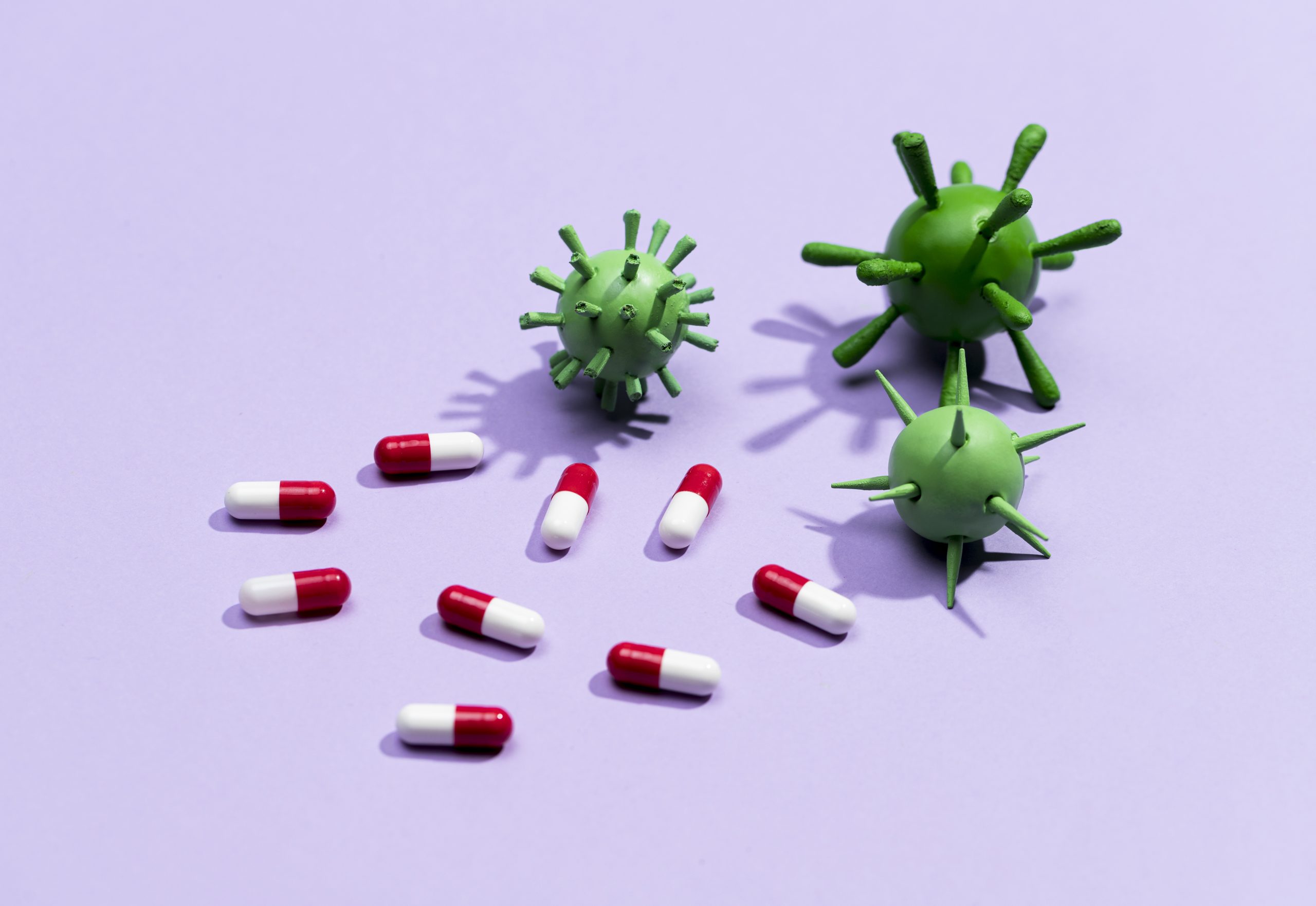
Antibiotics have been one of the most important medical breakthroughs in modern history, transforming the treatment of infections and saving millions of lives. But their effectiveness is increasingly under threat.
Antimicrobial resistance occurs when bacteria evolve to survive treatments that once killed them. Over time, this can make common infections harder — or even impossible — to treat.
Health authorities warn that misuse and overuse of antibiotics in both healthcare and agriculture are accelerating this process. Patients may receive antibiotics when they are not needed, or fail to complete prescribed treatments, allowing resistant strains to develop.
Organisations such as the World Health Organization have identified antimicrobial resistance as a major global health risk.
The consequences could be far-reaching. Routine medical procedures, including surgery and chemotherapy, rely on effective antibiotics to prevent infection. Without them, these treatments become more dangerous.
Researchers are working to develop new antibiotics, but progress has been slow. Economic incentives for pharmaceutical companies are limited, as new drugs are often used sparingly to preserve effectiveness.
Addressing the problem requires coordinated action, including better regulation, improved prescribing practices and investment in research.
Experts warn that without significant intervention, antibiotic resistance could undermine many of the advances achieved in modern medicine.
It is a reminder that even the most successful innovations can become vulnerable — and that maintaining their effectiveness requires ongoing effort.
