

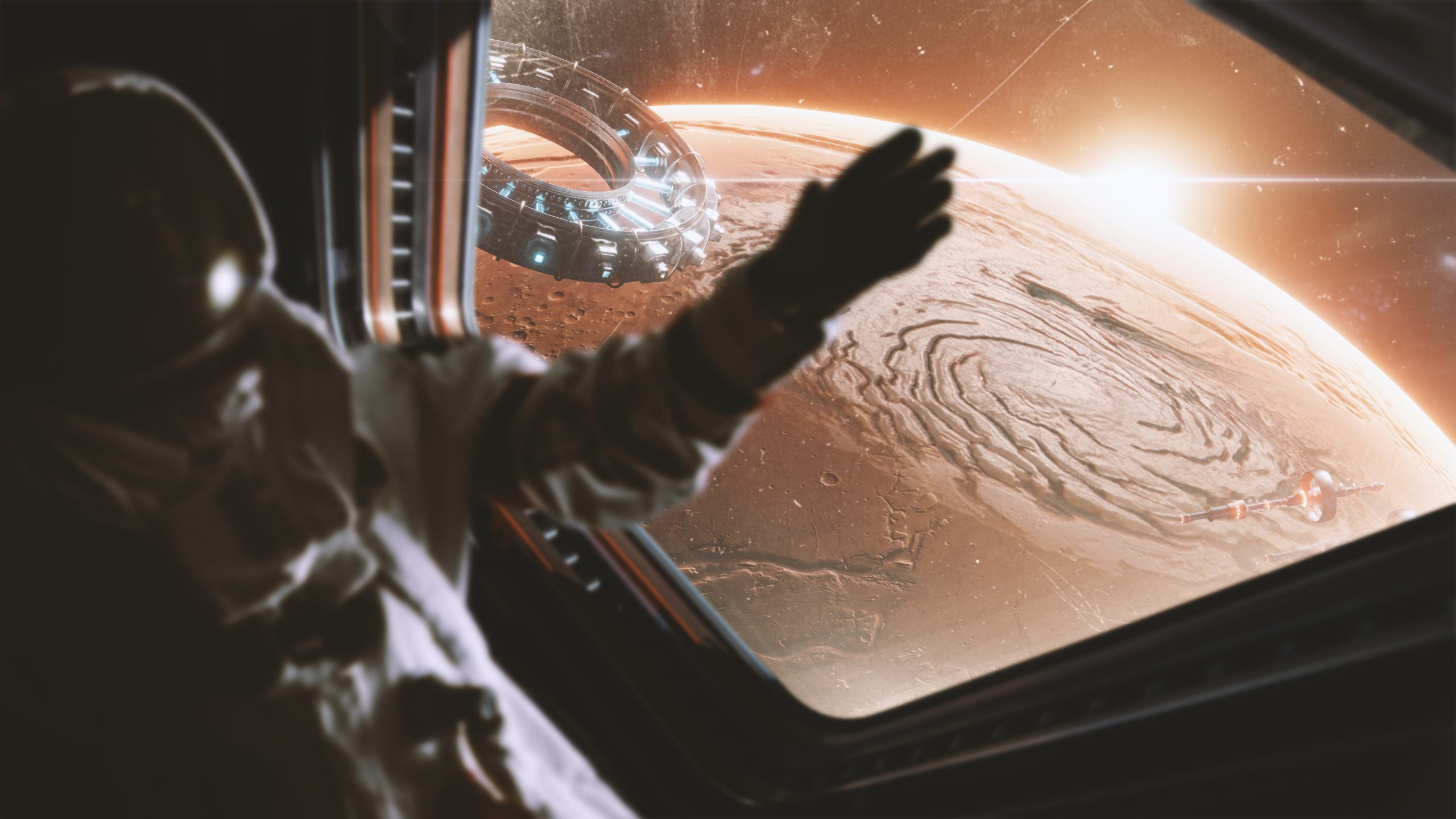
The search for worlds beyond our solar system is accelerating, as new instruments allow scientists to study distant planets with increasing detail.
The James Webb Space Telescope has played a key role in this shift, providing data that allows researchers to analyse the atmospheres of exoplanets — planets orbiting stars outside our solar system.
By studying the light that passes through these atmospheres, scientists can detect the presence of gases such as water vapour, methane and carbon dioxide. These observations are helping researchers assess whether some planets might support conditions suitable for life.
The field of exoplanet research has grown rapidly over the past two decades, with thousands of planets now identified. The focus is shifting from discovery to characterisation — understanding what these worlds are actually like.
However, scientists caution that identifying life remains extremely challenging. Detecting potential biosignatures does not guarantee the presence of living organisms, and interpreting data requires careful analysis.
Future missions and observatories are expected to build on current progress, offering even more precise measurements and expanding the range of detectable planets.
The search for life beyond Earth remains one of science’s most compelling questions — and one that may move closer to an answer in the coming decades.
