

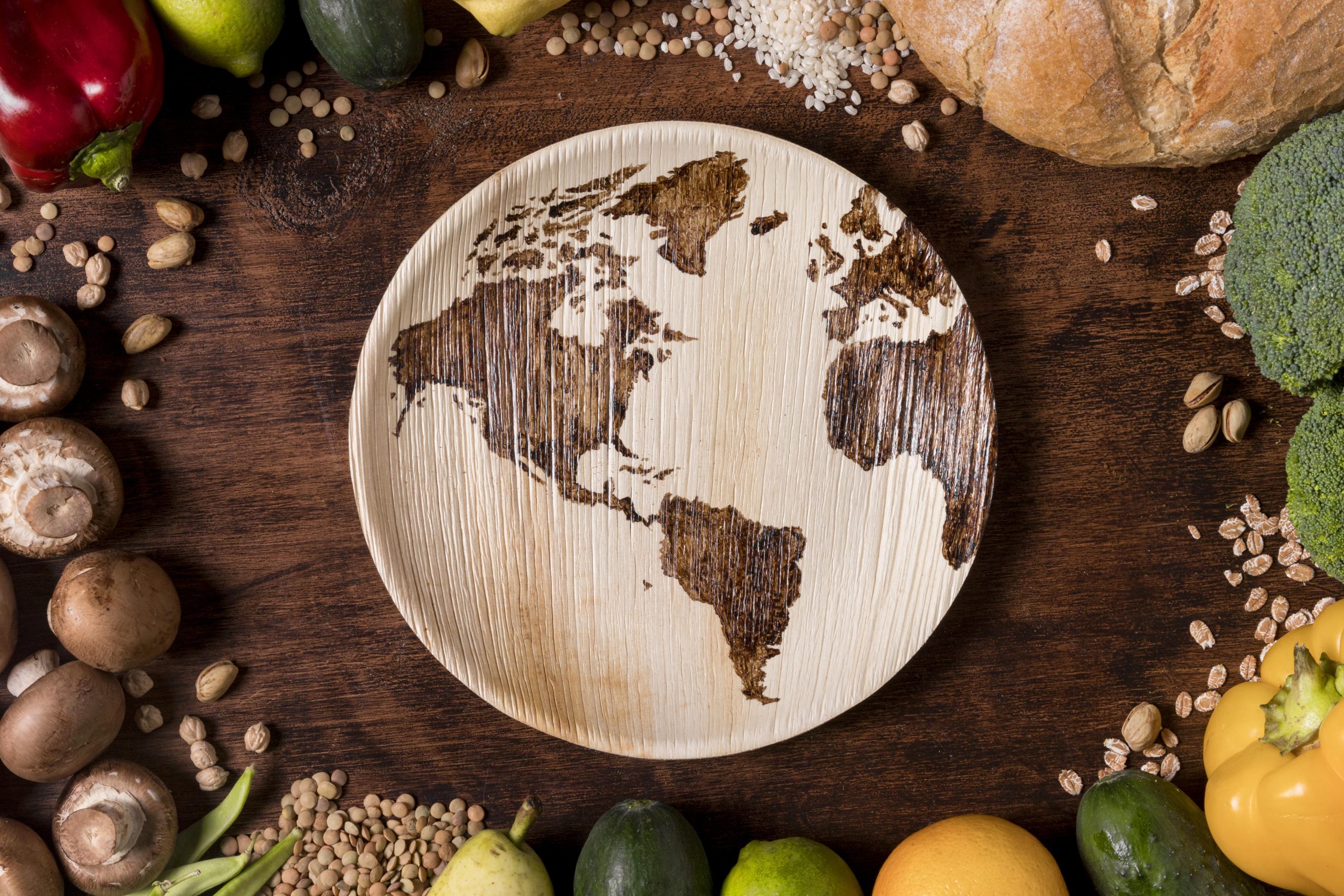
Food has always reflected identity, tradition and place. But in an interconnected world, it is increasingly becoming a global language through which cultures meet, adapt and influence one another.
Migration, tourism and digital media have transformed how food spreads. Dishes once tied to specific regions are now common in cities around the world, while home cooks and chefs regularly experiment with ingredients and techniques from multiple traditions.
Cities such as London and New York City illustrate this shift, where diverse communities have created dynamic culinary scenes shaped by global influences.
Social media has accelerated the trend, turning recipes, restaurants and food aesthetics into widely shared cultural experiences.
At the same time, food culture raises important questions about authenticity, ownership and adaptation. Debates often emerge over whether global popularity preserves traditions or dilutes them.
Supporters argue that culinary exchange encourages openness and creativity. Critics warn that commercialisation can erase the communities from which traditions originate.
Experts suggest that food culture today is less about purity and more about dialogue between traditions.
In that sense, what people eat is not only a matter of taste — it is a reflection of how cultures connect and evolve.
