

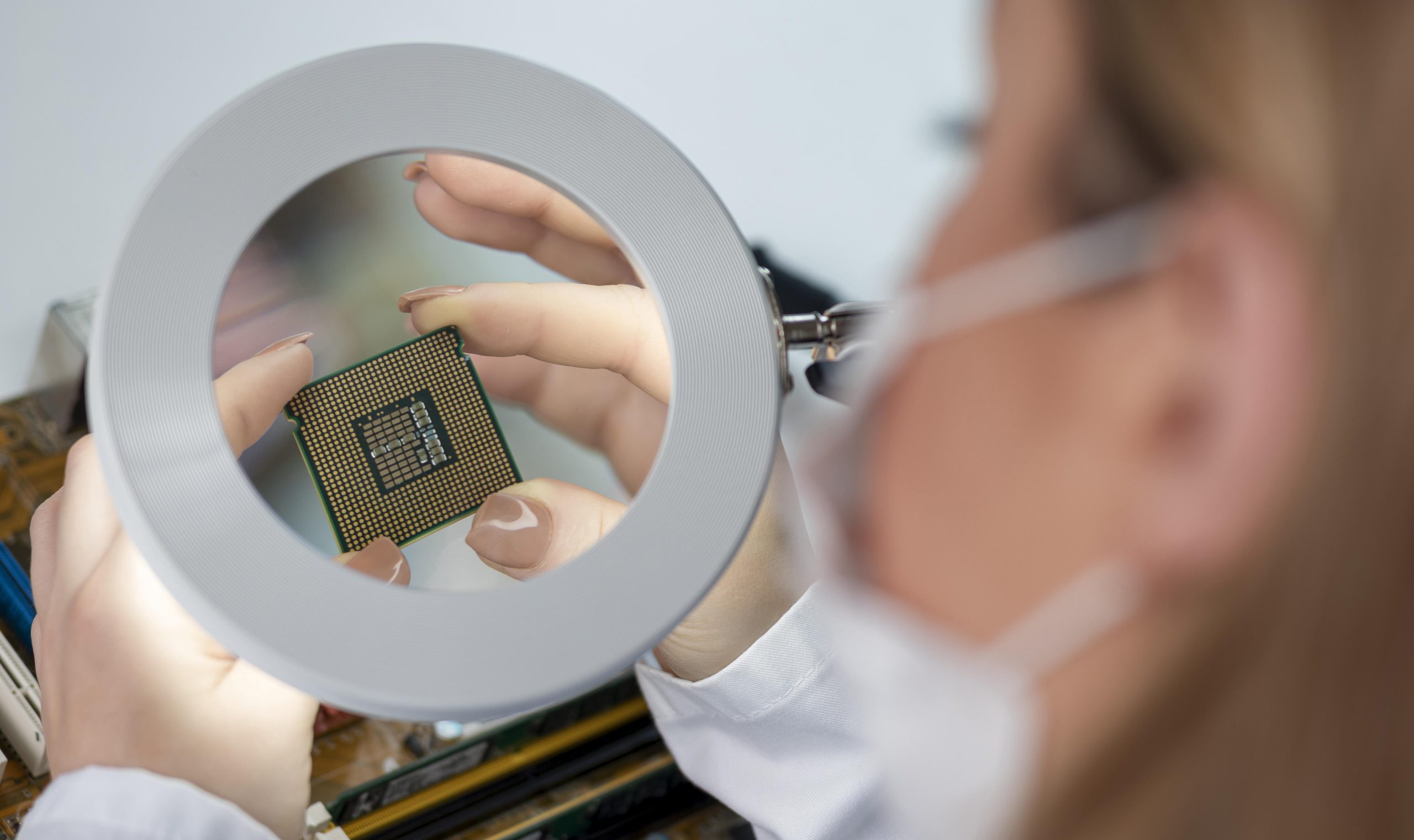
Oil helped define the geopolitics of the 20th century. Increasingly, semiconductors are playing a similar role in the 21st.
Advanced chips power smartphones, vehicles, cloud computing, defence systems and artificial intelligence. Without them, modern economies would struggle to function.
This has turned semiconductor manufacturing into a strategic priority for governments and businesses alike.
Production is highly specialised and concentrated, with critical stages spread across a small number of companies and regions. That concentration has exposed vulnerabilities during recent supply disruptions.
Countries including the United States, China and members of the European Union are investing heavily in domestic chip capacity and research.
The goal is not only economic growth, but resilience and technological sovereignty.
However, building semiconductor ecosystems is expensive, technically complex and dependent on global cooperation.
Experts say chips illustrate a broader reality of modern technology: the most important digital systems rely on highly physical supply chains.
In that sense, silicon has become one of the world’s most strategic materials.
