

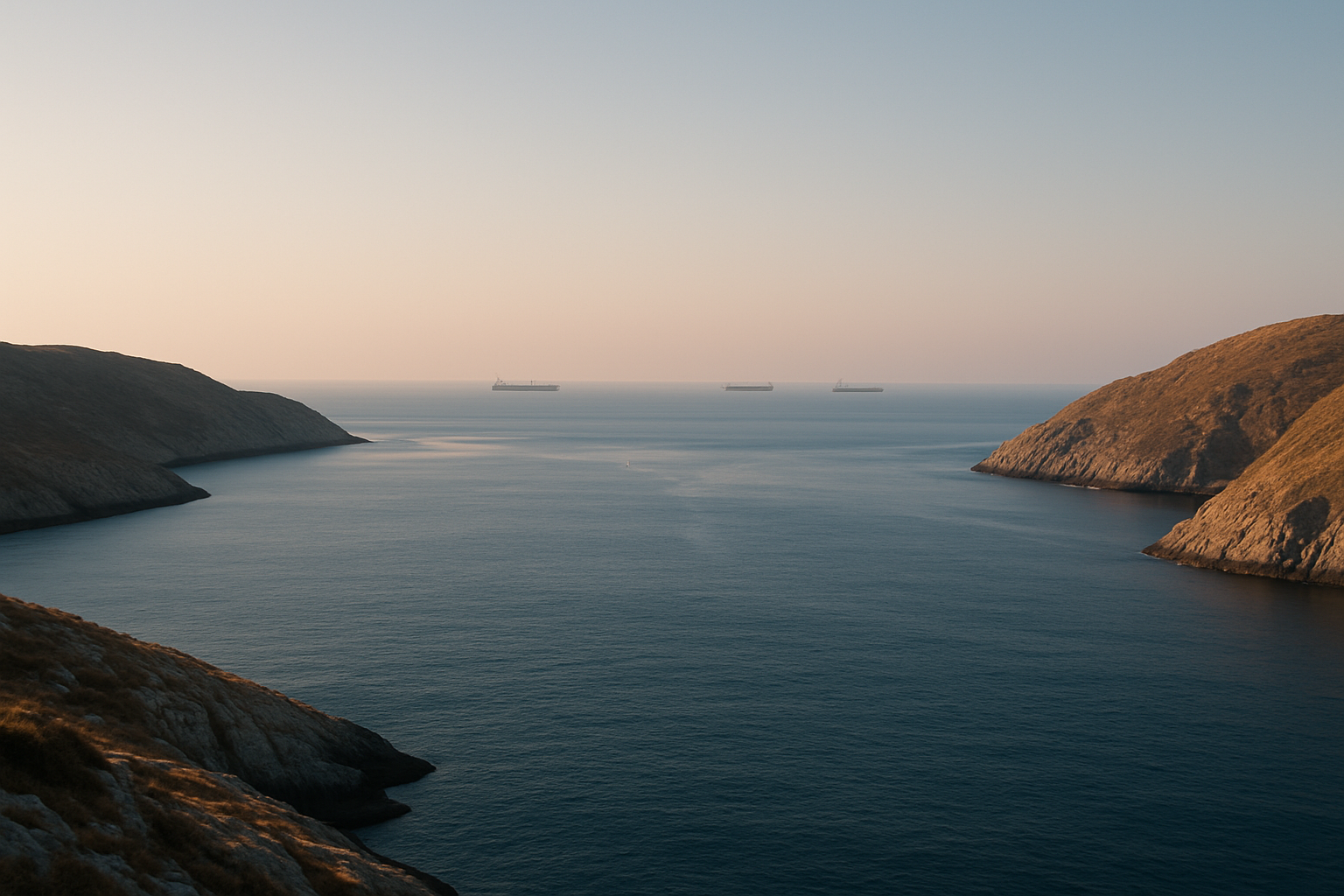
Iran has said it will wait for a formal US response conveyed through mediators after President Donald Trump rejected Tehran’s proposal concerning the reopening of the Strait of Hormuz to commercial shipping.
Iranian Foreign Minister Abbas Araghchi said in a Telegram post that Tehran had noted Trump’s public rejection but was awaiting definitive views through the mediation process before deciding its next steps. He also accused the US president of making statements that were at times inconsistent.
Trump told reporters at the White House on Saturday that he was rejecting the proposal, calling it unacceptable. He said Iran wanted an immediate agreement to reopen the waterway because, in his words, „they’re losing so badly.” Trump also said the United States had total control of the strait and that substantial oil volumes were moving through it.
Talks and proposed conditions
Iran said the issue of reopening the Strait of Hormuz, along with ending hostilities, was raised during talks held on the sidelines of the UN General Assembly in New York during the past week.
Araghchi told reporters at the United Nations on Friday that an agreement could be possible if necessary conditions were fulfilled by both sides. He said Iran’s conditions for reopening the strait matched those set out in a memorandum of understanding signed by the United States and Iran in June.
The strait, a key waterway through which about one-fifth of the world’s gas and oil supplies normally pass, has been effectively closed since the war began in February, according to the report.
Oman, which has acted as a mediator between Washington and Tehran, called for continued open dialogue. Oman’s foreign minister, Sayyid Badr bin Hamad bin Hamood Albusaidi, told the UN General Debate that all parties should work with Oman on efforts to protect navigation through the strategic route.
US pressure campaign
Trump’s decision to reject the Iranian proposal was supported by US ambassador to Nato Matthew Whitaker, who said Iran had offered what he described as partial and illusory arrangements intended to improve its standing internationally.
US Treasury Secretary Scott Bessent said economic pressure was affecting Tehran. In a post on X, he said Turkey, Oman and the United Arab Emirates had stopped flights by several Iranian airlines, while some banks in the UAE and Turkey had ceased transactions with Iran.
The Trump administration has named its economic blockade effort „Operation Economic Outcast” and is using sanctions to pressure Iran to halt attacks on ships in the Strait of Hormuz. The report noted that some economists have questioned how effective the latest measures will be, particularly because their impact depends on the actions of Iran’s major trading partners. China, the largest buyer of Iranian oil, has previously continued trading with Tehran despite US sanctions.
Source: BBC News
