
Close Menu
Mano blog

    Subscribe to Updates

    Get the latest creative news from FooBar about art, design and business.

    What's Hot

    Sudanese Paramilitary Forces Systematically Targeted Hospitals in el-Fasher, Investigation Finds

    23 spalio, 2026

    US Judge Orders Donald Trump to Face Oath Questioning in BBC Defamation Suit

    22 spalio, 2026

    Australian Police Investigate Reality TV Show Following Complaint Over Inappropriate Content

    22 spalio, 2026
    Facebook X (Twitter) Instagram
    Facebook X (Twitter) Instagram Vimeo
    Mano blog
    Subscribe Login
    • Home
    • Categories
      • Culture
      • Finance
      • Future
      • Health
      • History
      • Ideas
      • Innovations
      • Nature
      • Science
      • Society
      • Technology
      • World
      • Sports
    Mano blog
    • Home
    • Categories
    Home»Science»Ancient woolly mammoth RNA from 40,000 years ago reveals clues about its final moments
    Science

    Ancient woolly mammoth RNA from 40,000 years ago reveals clues about its final moments

    USERBy USER16 lapkričio, 2025Updated:16 lapkričio, 2025Komentarų: 02 Mins Read
    Facebook Twitter Pinterest LinkedIn Tumblr WhatsApp VKontakte Email
    Share
    Facebook Twitter LinkedIn Pinterest Email

    In the last moments of Yuka, a well-preserved woolly mammoth, he may have been desperately trying to outrun a cave lion.

    Scratches on the back of Yuka’s legs hint at a predator’s attack — and inside his ancient muscle tissue, researchers have found molecular traces of intense physical strain. Newly recovered RNA molecules suggest Yuka’s muscles were pushed to exhaustion. These RNA sequences, dating back roughly 40,000 years, are the oldest ever obtained, scientists report on November 14 in Cell.

    Researchers have sequenced ancient RNA before, but never anything this old. Until now, the record belonged to RNA from a 14,000-year-old Pleistocene wolf. The new findings show that RNA can survive far longer than expected, says biologist Love Dalén of Stockholm University.

    Traditionally, ancient-DNA studies have dominated Ice Age research. RNA, often depicted as the fragile counterpart to DNA, was thought to degrade almost instantly after an organism dies. “I think people just assumed it wouldn’t work,” Dalén says. “So no one really tried.”

    Yet under exceptional conditions — such as the deep freeze that preserved Yuka in Siberian permafrost — RNA can endure for millennia.

    If DNA provides the full blueprint of an organism, RNA acts like the foreman directing construction: it tells cells which proteins to make, when, and in what quantities. That makes RNA a snapshot of what a cell was actively doing at a given moment, explains geneticist Emilio Mármol-Sánchez of the University of Copenhagen. It can reveal tissue types, gene activity, and aspects of an animal’s health or stress.

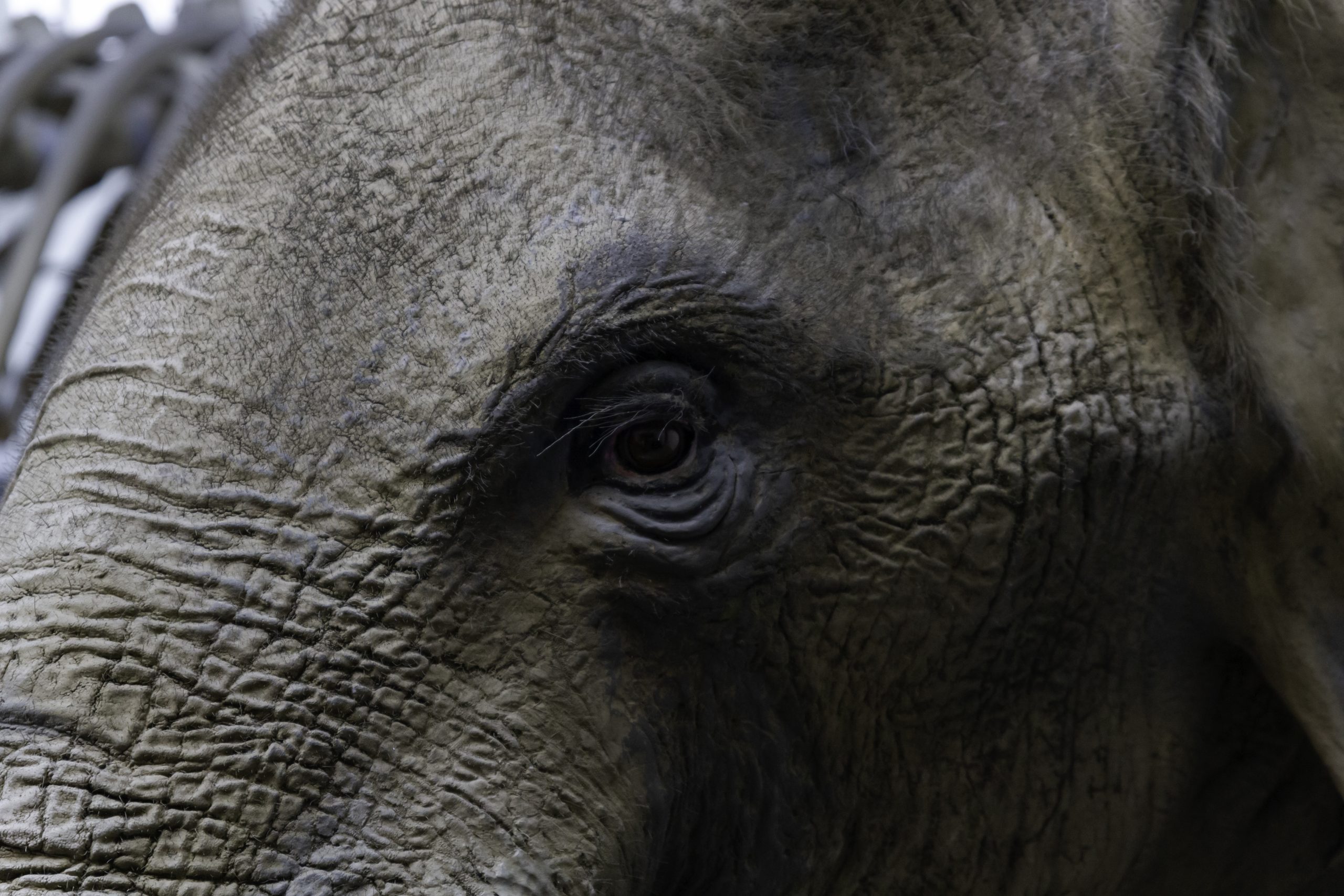
    Mármol-Sánchez, Dalén and their team examined RNA from 10 woolly mammoths whose tissues had remained frozen for thousands of years. Yuka’s RNA was especially well preserved, giving scientists new insights into the animal’s physiology. They detected markers of cellular stress, along with microRNAs — small regulatory molecules — that may have played a defining role in mammoth biology. Although mammoths and elephants share nearly identical genomes, differences in microRNA activity might help explain how one species became a cold-adapted Ice Age giant.

    The study, Mármol-Sánchez says, provides a methodological template for retrieving and analyzing ancient RNA. And that could unlock a new dimension of knowledge about the lives, evolution and deaths of the iconic megafauna that once roamed the frozen landscapes of the Pleistocene.

    Share. Facebook Twitter Pinterest LinkedIn Tumblr WhatsApp Email
    Previous ArticleWorking to restore nature in urban spaces
    Next Article A next-generation cholesterol pill delivers promising clinical results
    USER

    Related Posts

    Quantum biology is challenging ideas about how life works

    13 gegužės, 2026

    Scientists are searching for signs of life beyond Earth in planetary atmospheres

    13 gegužės, 2026

    Artificial intelligence is accelerating discovery in molecular science

    1 gegužės, 2026

    Scientists are exploring whether life can exist with fewer building blocks

    1 gegužės, 2026
    Leave A Reply Cancel Reply

    Our Picks
    • Facebook
    • Twitter
    • Pinterest
    • Instagram
    • YouTube
    • Vimeo
    Don't Miss
    World

    Sudanese Paramilitary Forces Systematically Targeted Hospitals in el-Fasher, Investigation Finds

    By USER23 spalio, 20260

    A BBC investigation reveals deliberate attacks on healthcare facilities in Sudan, which UN officials say may amount to war crimes.

    US Judge Orders Donald Trump to Face Oath Questioning in BBC Defamation Suit

    22 spalio, 2026

    Australian Police Investigate Reality TV Show Following Complaint Over Inappropriate Content

    22 spalio, 2026

    Arab Parties Positioned as Potential Deciding Factor in Israeli General Election

    22 spalio, 2026

    Subscribe to Updates

    Get the latest creative news from SmartMag about art & design.

    Home
    Home

    Your source for the lifestyle news. This demo is crafted specifically to exhibit the use of the theme as a lifestyle site. Visit our main page for more demos.

    We're accepting new partnerships right now.

    Our Picks

    US Citizen Stephen Hubbard Released by Russia Without Prisoner Swap

    21 spalio, 2026

    Russian Drone Hits Train Near Poland Border After European Officials Pass Through

    13 rugsėjo, 2026

    Strictly: Semi-final Line-Up Confirmed After Musicals Week Exit

    8 gruodžio, 2025
    New Comments

      Type above and press Enter to search. Press Esc to cancel.

      Sign In or Register

      Welcome Back!

      Login to your account below.

      Lost password?