

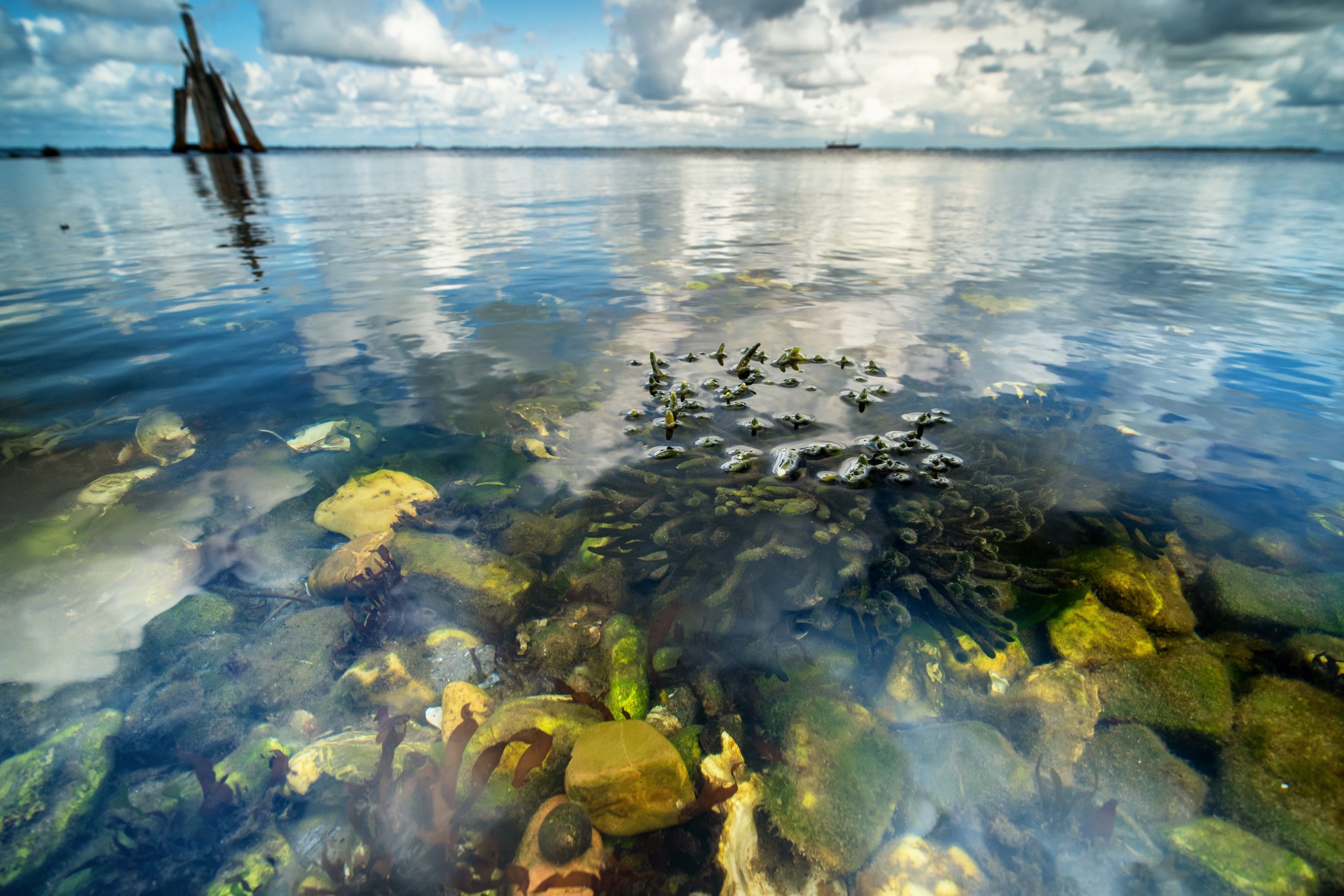
As threats to marine ecosystems escalate worldwide, a major Conservation Summit titled “Troubled Waters” is set to bring together scientists, photographers, and explorers on 2 February 2026 to address urgent challenges facing the oceans — from pollution and climate stress to habitat loss and species decline. The event is part of the Xposure International Photography Festival 2026 and aims to spotlight nature protection solutions on a global stage.
Focus on Ocean’s Role in Climate and Biodiversity
The summit underscores the oceans’ essential role in regulating the Earth’s climate and carbon cycles, absorbing a significant portion of excess heat and greenhouse gases. Organisers and environmental advocates say industrial activity, pollution, and unsustainable fishing are placing unprecedented pressure on marine biodiversity and could push thousands of species toward extinction without coordinated action.
Participants will explore practical solutions for protecting marine ecosystems — including expanding protected ocean areas, improving scientific monitoring, and strengthening global cooperation. The event is expected to highlight how photographers and visual storytellers can amplify environmental research and conservation messages, engaging public audiences with compelling imagery and real-world data.
Science and Advocacy Unite
Experts note that effective ocean conservation now depends not just on high-level policy agreements but also on scientific innovation and public engagement. From satellite monitoring to community-led initiatives, emerging technologies are helping researchers track habitat change, identify at-risk populations, and guide policy decisions in real time. The summit will showcase such tools alongside artistic perspectives to build urgency and action for marine protection.
A Critical Moment for Marine Nature
The “Troubled Waters” theme reflects broader global concern about declining ocean health — trends mirrored in separate conservation listings that have identified species such as the European eel and blackchin guitarfish as critically vulnerable in 2026.
Organisers say the summit will foster cross-sector collaboration among scientists, policymakers, creatives, and Indigenous communities, all of whom play key roles in shaping sustainable marine futures. As climate change and human pressures intensify, such forums are seen as essential to building momentum for tangible conservation outcomes.
