

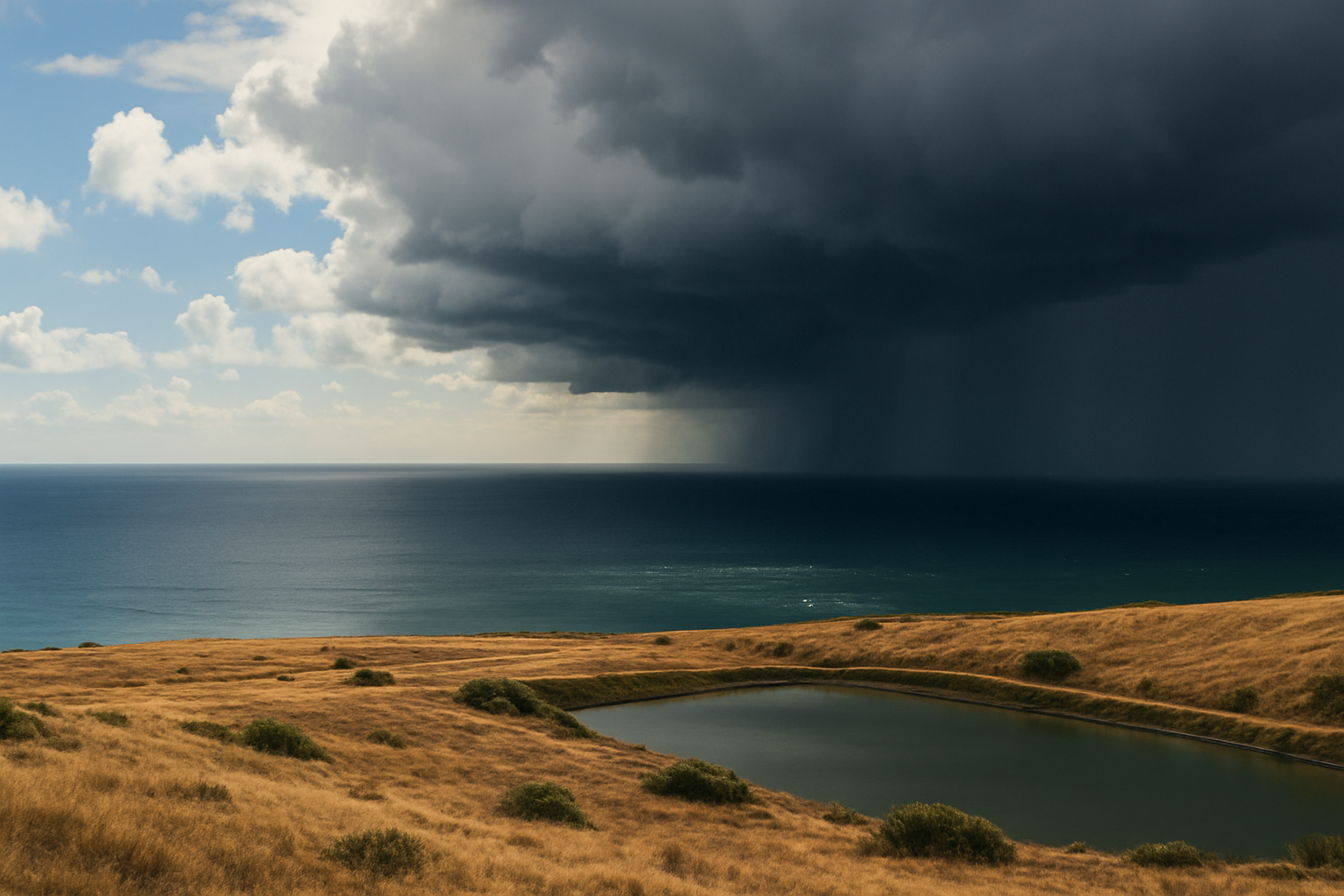
The world is entering a period of heightened extreme-weather risk as a strengthening El Niño affects global conditions, the United Nations has warned. The World Meteorological Organization (WMO) said the event could become the strongest since at least 1950 and may persist until at least February 2027.
UN Secretary-General António Guterres said El Niño was being “supersized” as unusually warm ocean conditions added to the effects of human-driven global warming. The WMO said it had stepped up efforts to circulate forecasts of potential El Niño-linked extreme weather to communities around the world.
El Niño develops in the Pacific Ocean when changing wind patterns allow warmer water to move eastward, releasing heat into the atmosphere. Sea-surface temperatures in a key central and eastern tropical Pacific monitoring area have recently been more than 2C above average, while forecasts suggest monthly temperatures could approach 4C above average. In some areas below the ocean surface, temperatures have exceeded normal levels by more than 8C.
Risks differ by region
The WMO expects major shifts in rainfall patterns in the coming months. Drier-than-normal weather is forecast for wide areas of South East Asia, Central America and northern South America, increasing the threat of drought and wildfires. Wetter conditions are expected in parts of eastern Africa, southern Brazil and the southern United States, raising flood risks.
Panama is reducing the number of vessels allowed through the Panama Canal by more than 10% in anticipation of reduced rainfall. The canal is used by about 14,000 ships annually and generates roughly $3bn a year for Panama, according to the report.
Indonesia, meanwhile, is seeking to contain dry-season fires that have burned more than 107,000 hectares nationwide. Authorities have deployed cloud-seeding aircraft in an attempt to bring rain and have pledged further resources while making arrests over allegations that fires were used to clear land.
China is expecting seven typhoons to make landfall this year, a prospect its experts have linked to a super El Niño. The report said three typhoons in July left dozens dead, while Typhoon Dolphin forced more than one million people from their homes in August.
Preparation efforts expanded
Ocean warming is also a concern for Australia, where marine heatwaves have affected coastal ecosystems in recent years. Alistair Hobday, a chief researcher at Australia’s science agency, said southern Australia was experiencing severe conditions, although forecasts indicated that the Great Barrier Reef would avoid the worst of them this year. Australia has introduced marine-crisis warning systems to help provide financial support for fisheries, relocate key species and expand coral monitoring.
Peru, Ecuador and parts of Brazil have previously faced heavier rain, flash flooding and landslides during El Niño. Miguel Aréstegui of Practical Action said preparedness was essential, including stronger public access to information on river levels, flood threats and forecasts. The United States announced last month that it would send the USNS Comfort to the Peruvian coast with medical assistance and technical equipment ahead of the event’s expected peak.
WMO Secretary-General Celeste Saulo said El Niño could deliver a major blow to communities and economies, while noting that its consequences are unfolding alongside longer-term warming. Scientists have suggested climate change may strengthen El Niño events, but the report said this remains uncertain.
Source: BBC News
