

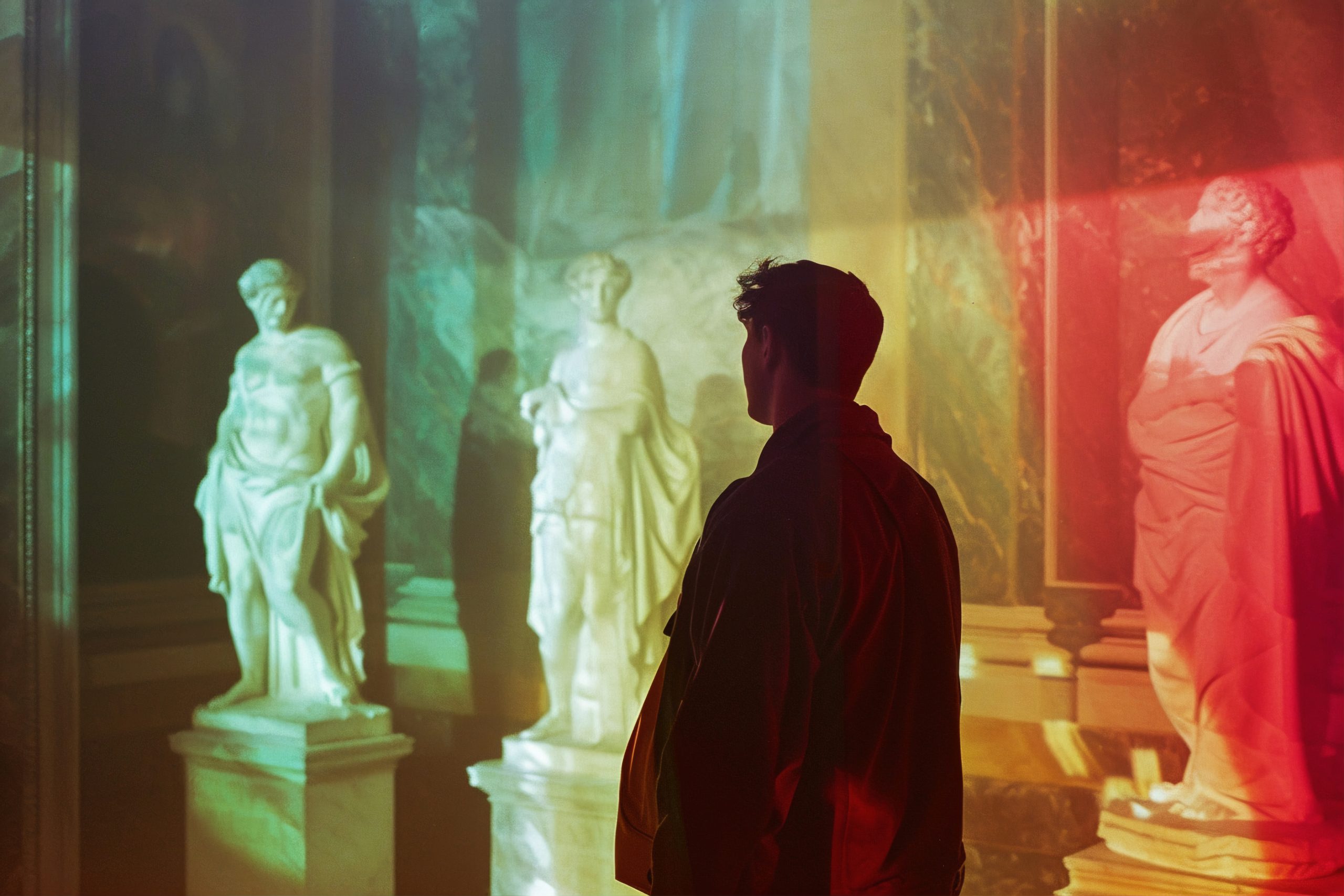
In the aftermath of the pandemic and amid shifting social priorities, the global cultural sector is undergoing one of the most profound transitions in decades. Museums, theatres, film industries, and independent creators are collectively reshaping how culture is produced, distributed, and experienced.
Revival of Cultural Institutions
Major cultural institutions across Europe, North America, and Asia report a notable resurgence in attendance, though patterns have changed dramatically. Visitors now prefer immersive, interactive exhibitions and shorter, more flexible events. Curators say the shift reflects a broader desire for “meaningful cultural encounters” rather than passive observation.
Meanwhile, performing arts venues continue experimenting with hybrid formats. Live theatre companies are increasingly streaming select productions, hoping to reach international audiences while maintaining the intimacy of in-person performance.
Independent Creators Take the Lead
The rise of digital platforms has amplified the influence of independent artists, filmmakers, and musicians. Short-form video, decentralized production tools, and direct-to-audience funding models have allowed creators to bypass traditional gatekeepers. Analysts note that cultural trends now emerge faster and dissipate more quickly, often driven by small online communities rather than mainstream media.
Despite these opportunities, many artists report mounting pressure to produce content continuously, raising concerns about financial sustainability and creative burnout.
Culture Meets Technology
Artificial intelligence, virtual reality, and digital archiving are reshaping cultural preservation and creative practice. Several museums are already using AI-powered tools to restore damaged artworks or identify previously unknown historical details. VR installations, once niche, are becoming standard features in contemporary art exhibitions.
Critics, however, warn that the rapid adoption of technology risks sidelining traditional crafts and widening the gap between well-funded institutions and independent creators.
Global Festivals Return With New Priorities
International film, music, and art festivals are returning at full capacity, but with renewed emphasis on sustainability, diversity, and social impact. Many now feature panels on climate responsibility and highlight underrepresented voices, particularly from the Global South.
Programmers say audiences increasingly expect festivals to serve not just as entertainment hubs but as platforms for meaningful dialogue.
A Cultural Landscape in Transformation
While challenges remain — including funding shortages, geopolitical tensions, and the global cost-of-living crisis — the cultural sector is demonstrating remarkable adaptability. Experts argue that today’s changes may redefine cultural participation for an entire generation.
As institutions and creators navigate this evolving landscape, one trend is clear: culture is no longer confined to physical spaces or traditional formats. It is becoming more participatory, more digital, and more globally interconnected than ever before.
