

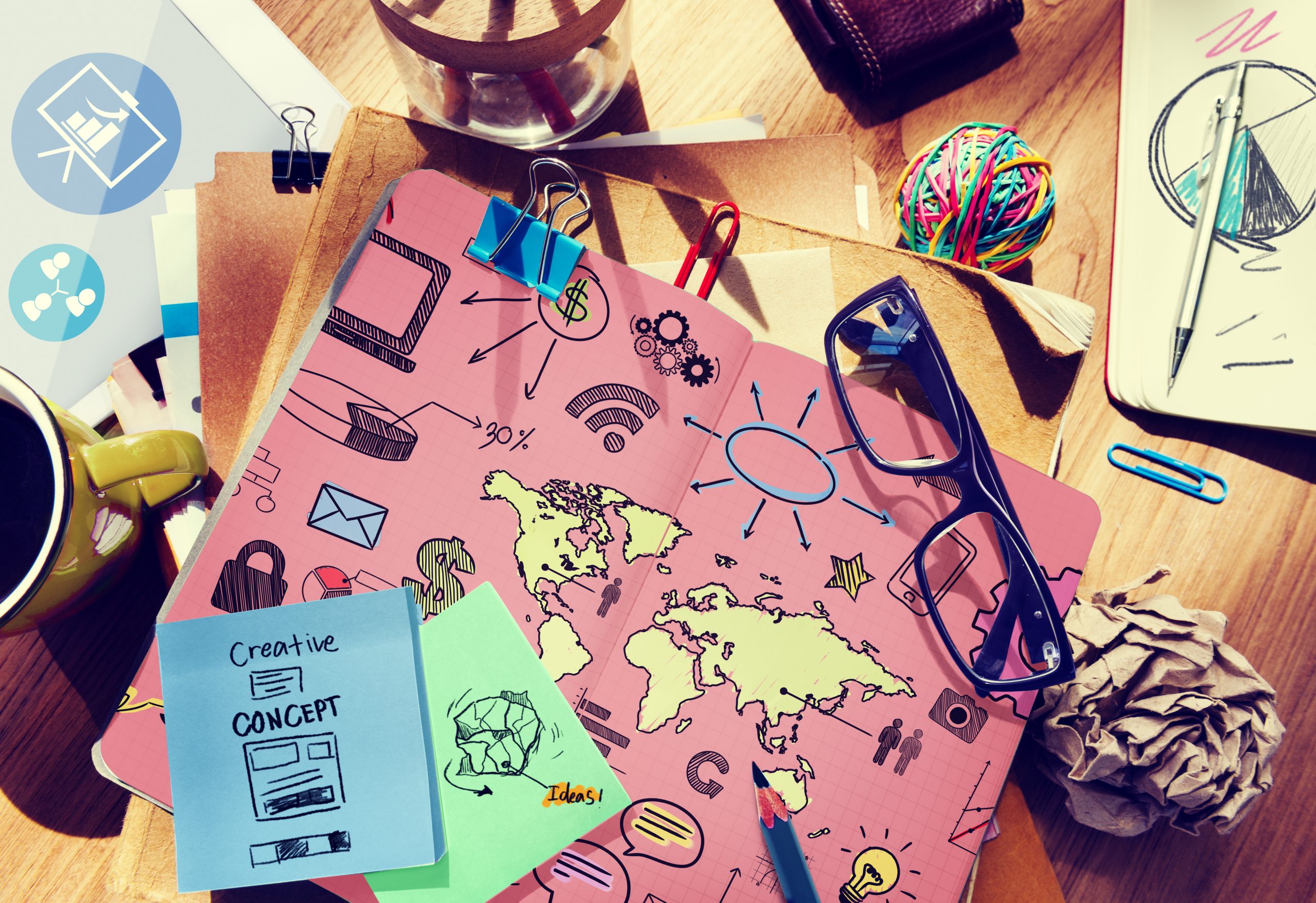
As societies undergo rapid social, technological, and demographic change, culture itself is being reshaped in ways that challenge long-standing traditions and artistic norms. Researchers say the world is entering a new era of cultural fusion, driven by global migration, digitization, and renewed attention to identity and heritage.
Migration Sparks New Cultural Hybridity
Millions of people on the move — whether for work, education, or safety — are reshaping the cultural identities of major cities. Arts organizations connected with the Asia Society report that cross-border collaborations in music, food, and visual arts are expanding faster than ever.
Cities like Toronto, Sydney, Berlin, and Nairobi are emerging as cultural mosaics, where artists blend traditional forms with contemporary influences to create entirely new genres.
Museums Reinvent Themselves
Cultural institutions worldwide are rethinking their missions as audiences demand transparency, inclusivity, and global representation. Major museums, including those partnering with the Getty Conservation Institute, are expanding restitution research, diversifying curatorial staff, and introducing immersive digital exhibitions.
As younger audiences shift toward interactive, narrative-driven experiences, museums are experimenting with augmented reality tours, live performance programming, and co-curated exhibits led by community groups.
Digital Spaces Transform Creative Expression
Digital platforms have become the world’s largest cultural arenas. Music, art, literature, and fashion now spread globally in seconds, amplifying voices from communities once excluded from mainstream media.
Research by the Oxford Internet Institute highlights how creators are leveraging short-form video, streaming platforms, and digital art tools to bypass traditional gatekeepers. Yet analysts warn that algorithm-driven visibility can create cultural homogenization, where independent voices struggle for sustained exposure.
Indigenous Cultures Gain Global Recognition
Indigenous artists, writers, and activists are receiving unprecedented international attention. Festivals, cultural institutions, and publishers are collaborating with Indigenous creators to foreground traditional knowledge, ecological wisdom, and stories previously marginalized.
Organizations working with the First Nations Development Institute note that cultural revitalization efforts — from language preservation to traditional craft revival — are expanding across continents.
Climate Change Shapes Cultural Narratives
As extreme weather events disrupt landscapes and livelihoods, artists and storytellers are exploring themes of climate grief, resilience, and ecological justice. Cultural festivals and biennales are increasingly featuring exhibits that confront environmental loss and imagine sustainable futures.
Communities affected by rising sea levels and drought are using art, dance, and literature to document rapidly changing realities — creating cultural archives that double as climate testimony.
Global Festivals Return With New Missions
Cultural festivals are back in full force, but with redefined objectives. Beyond showcasing music, film, or art, many now highlight social justice, mental health, and environmental responsibility. International events collaborating with the Edinburgh International Festival are broadening programming to reflect diverse global narratives and underrepresented communities.
A Cultural Landscape in Constant Motion
Experts argue that global culture is no longer shaped by a handful of major institutions but by millions of interconnected creators, communities, and digital participants. The result is a cultural landscape that is more inclusive — but also more contested — than at any time in modern history.
As societies navigate questions of identity, belonging, and representation, culture is becoming both a reflection of global change and a powerful force shaping what the future may look like.
