

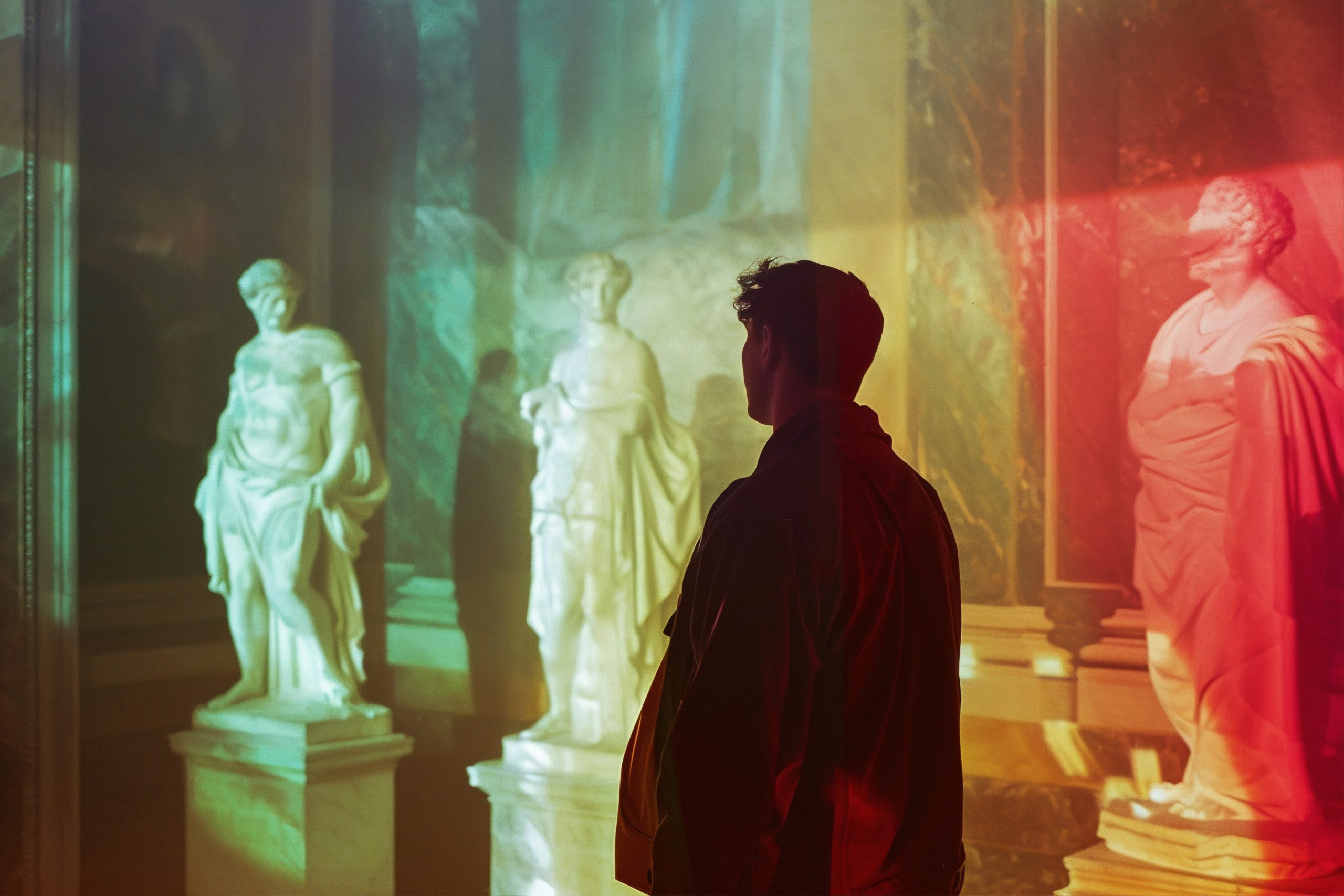
Museums have long presented themselves as neutral spaces for preserving and displaying history. But across the world, that role is being re-examined as cultural institutions face growing pressure to address political, ethical and historical questions.
Debates over the ownership of artefacts — particularly those acquired during colonial periods — have intensified in recent years. Institutions are increasingly being asked to return objects to their countries of origin or to reinterpret how they are displayed.
This has placed major museums in countries such as United Kingdom, France and Germany under scrutiny, as critics question the legitimacy of collections built under unequal historical conditions.
At the same time, museums are expanding their role beyond preservation. Many are incorporating digital technology, interactive exhibits and new narratives designed to engage broader audiences and reflect more diverse perspectives.
Supporters argue that these changes make museums more relevant and inclusive. Critics warn that increasing politicisation could undermine scholarly independence or turn cultural spaces into sites of ideological conflict.
The challenge for institutions is balancing these demands: maintaining academic credibility while responding to changing public expectations.
As cultural debates continue to evolve, museums are no longer just places that display the past. They are becoming arenas where societies negotiate how that past is understood — and who gets to tell its story.
