

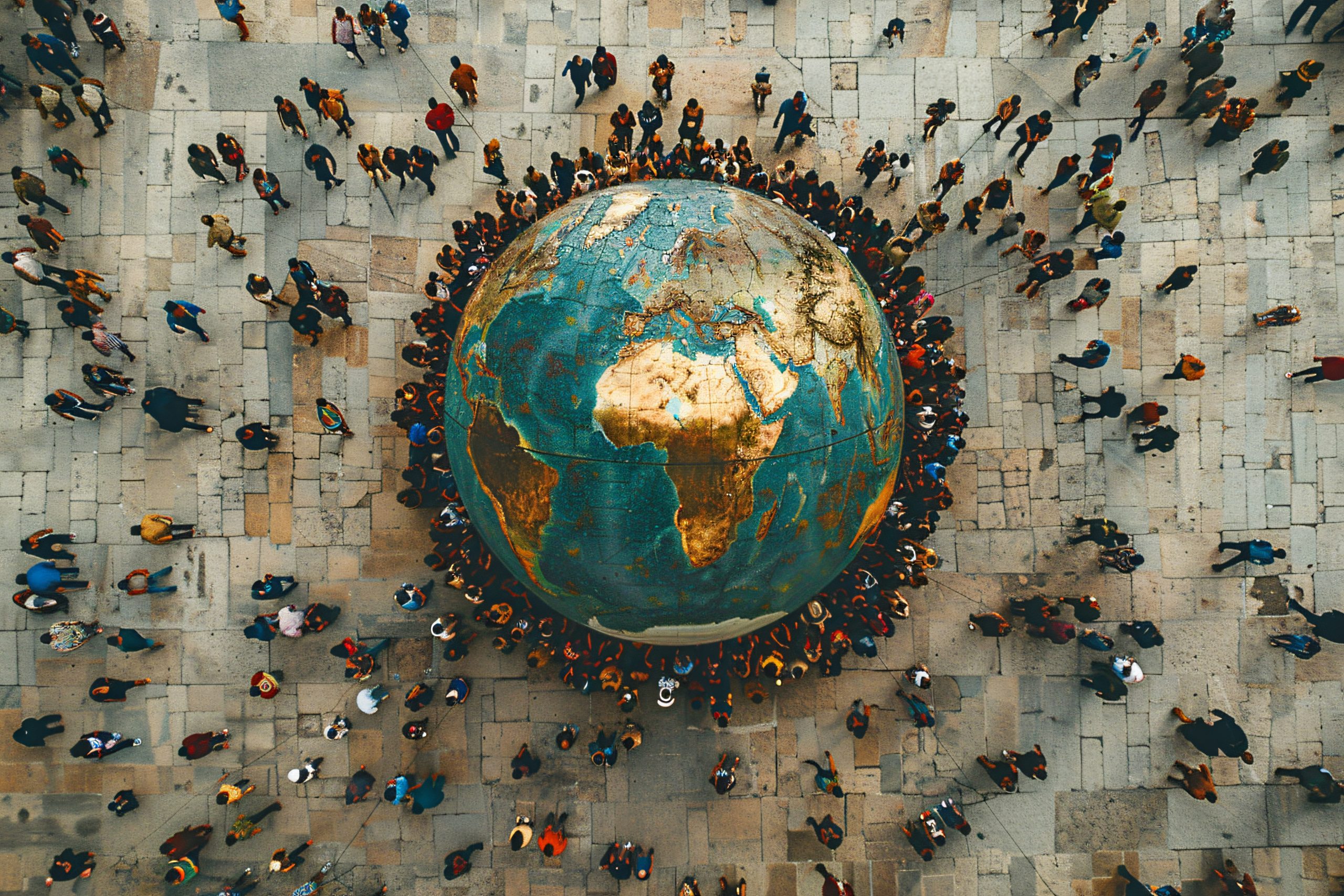
Sociologists and political analysts say a growing generational divide is increasingly influencing how societies debate values, governance, and long-term priorities. Differences in economic opportunity, technology use, and lived experience are shaping contrasting worldviews between younger and older generations across the globe.
While generational tensions have existed throughout history, experts argue that today’s divide is sharper due to rapid social change, economic uncertainty, and the accelerating pace of technological disruption.
Different Generations, Different Realities
Younger generations have come of age amid climate anxiety, rising housing costs, and precarious employment. Many face delayed milestones such as home ownership or long-term financial security, shaping more critical views of existing economic and political systems.
Older generations, by contrast, often experienced periods of greater economic stability and social mobility. Analysts say these contrasting experiences influence attitudes toward government, globalization, and social change, sometimes creating misunderstandings and resentment on both sides.
Politics and Participation
The generational divide is becoming particularly visible in politics. Younger voters tend to support policies focused on climate action, social justice, and systemic reform, while older voters often prioritize stability, national identity, and economic continuity.
Youth-led movements have gained global visibility, using digital platforms to mobilize support and influence public discourse. At the same time, declining trust in institutions among younger populations is raising concerns about long-term democratic engagement.
Demographics and Power Shifts
Demographic change is amplifying generational dynamics. In many countries, aging populations are reshaping labor markets, healthcare systems, and public finances. This creates difficult policy trade-offs, especially when resources must be divided between pensions, healthcare, education, and climate investment.
Social scientists warn that without careful policy design, demographic imbalance could deepen generational inequality and fuel political polarization.
Bridging the Gap
Experts emphasize that generational conflict is not inevitable. Intergenerational dialogue, inclusive policymaking, and shared projects — such as climate resilience and community development — can help align interests across age groups.
Institutions including the United Nations have stressed the importance of intergenerational cooperation, noting that sustainable development depends on balancing the needs of both present and future generations.
A Defining Issue of the Century
As societies confront long-term challenges such as climate change, technological disruption, and demographic shifts, analysts say bridging the generational divide will be critical to social stability. How societies manage these tensions may determine not only political outcomes, but the shared values that shape the future.
