

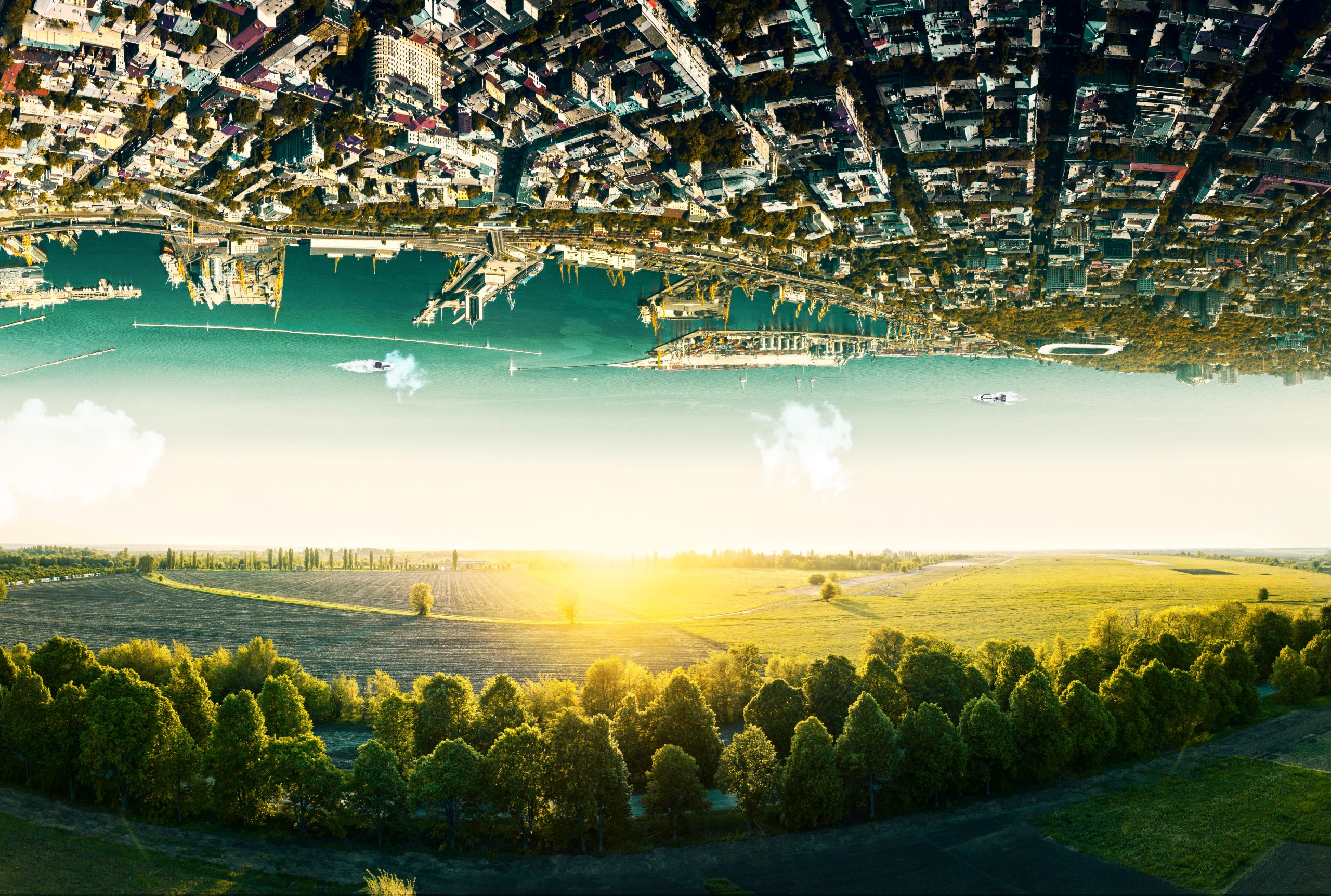
As the world enters a critical phase of technological acceleration and environmental transformation, futurists and scientists warn that the next three decades will reshape human society more dramatically than the previous century. From demographic shifts to breakthroughs in artificial intelligence, the contours of the future are beginning to emerge — and they present both immense opportunity and profound risk.
The Rise of a Multi-Planetary Civilization
Space agencies and private companies are laying the groundwork for human presence beyond Earth. Programs developed through the European Space Agency and partnerships with commercial launch firms aim to establish permanent lunar bases in the 2030s.
Researchers say these outposts will function not only as scientific stations but as testbeds for life-support systems, resource extraction, and sustainable off-world habitats. Some analysts believe humanity may begin the first crewed missions to Mars within the next decade.
AI as a Cognitive Companion
Artificial intelligence is expected to evolve from a tool into a constant cognitive partner. Advanced AI systems under study at the Stanford Institute for Human-Centered Artificial Intelligence are being designed to help manage personal health, optimize learning, and provide real-time decision support in complex environments.
Experts say that by the 2040s, AI may operate as an invisible layer woven into daily life — augmenting memory, diagnosing illness, monitoring energy use, and predicting risks before they occur. Ethical concerns, particularly around autonomy and privacy, are prompting governments to develop long-term governance models.
Demographic Shifts Reshape Global Power
Declining birthrates across Europe, East Asia, and North America are accelerating demographic aging, placing pressure on healthcare systems and pension models. Meanwhile, regions such as South Asia and sub-Saharan Africa will see significant youth population growth.
Forecasts from the United Nations Population Division suggest these trends will shift global economic influence southward, as younger nations become central hubs for labor, innovation, and digital entrepreneurship.
Climate Adaptation Becomes the Defining Challenge
The effects of climate change will intensify, forcing major adaptation efforts. Rising seas, heatwaves, and resource scarcity will reshape coastal cities, agriculture, and migration patterns. Research from the World Resources Institute highlights that water stress could spark new geopolitical tensions.
In response, governments are building climate-resilient infrastructure: floating districts, drought-resistant crops, and advanced flood-control systems. Some cities are experimenting with “climate refugee integration programs” to prepare for large-scale displacement.
The Future of Work: Hybrid, Automated, and Borderless
Automation, robotics, and advanced digital infrastructure will continue to transform the workplace. Many jobs will be redesigned rather than eliminated, requiring new forms of lifelong learning and human–machine collaboration.
Global organizations are studying innovative labor solutions, including shorter workweeks, universal basic income pilots, and transnational remote-work agreements that allow people to work across borders without relocating.
Health and Longevity Breakthroughs
Medical science is expected to redefine aging. Research institutions are exploring gene-editing therapies, regenerative medicine, and personalized drug design. Scientists envision the possibility of dramatically extending healthy lifespan through targeted interventions.
Neuroscientists also anticipate new treatments for neurodegenerative diseases, using technologies such as neural interfaces and precision brain mapping.
A Future Defined by Choice, Not Destiny
Experts caution that the future is not predetermined. While technological breakthroughs and climate pressures will shape global trajectories, political decisions, social cooperation, and ethical governance will determine whether those developments benefit society as a whole.
The next 30 years, they argue, could usher in a renaissance of innovation and sustainability — or a period of deep inequality and instability. The outcome will depend on the choices humanity makes today.
