

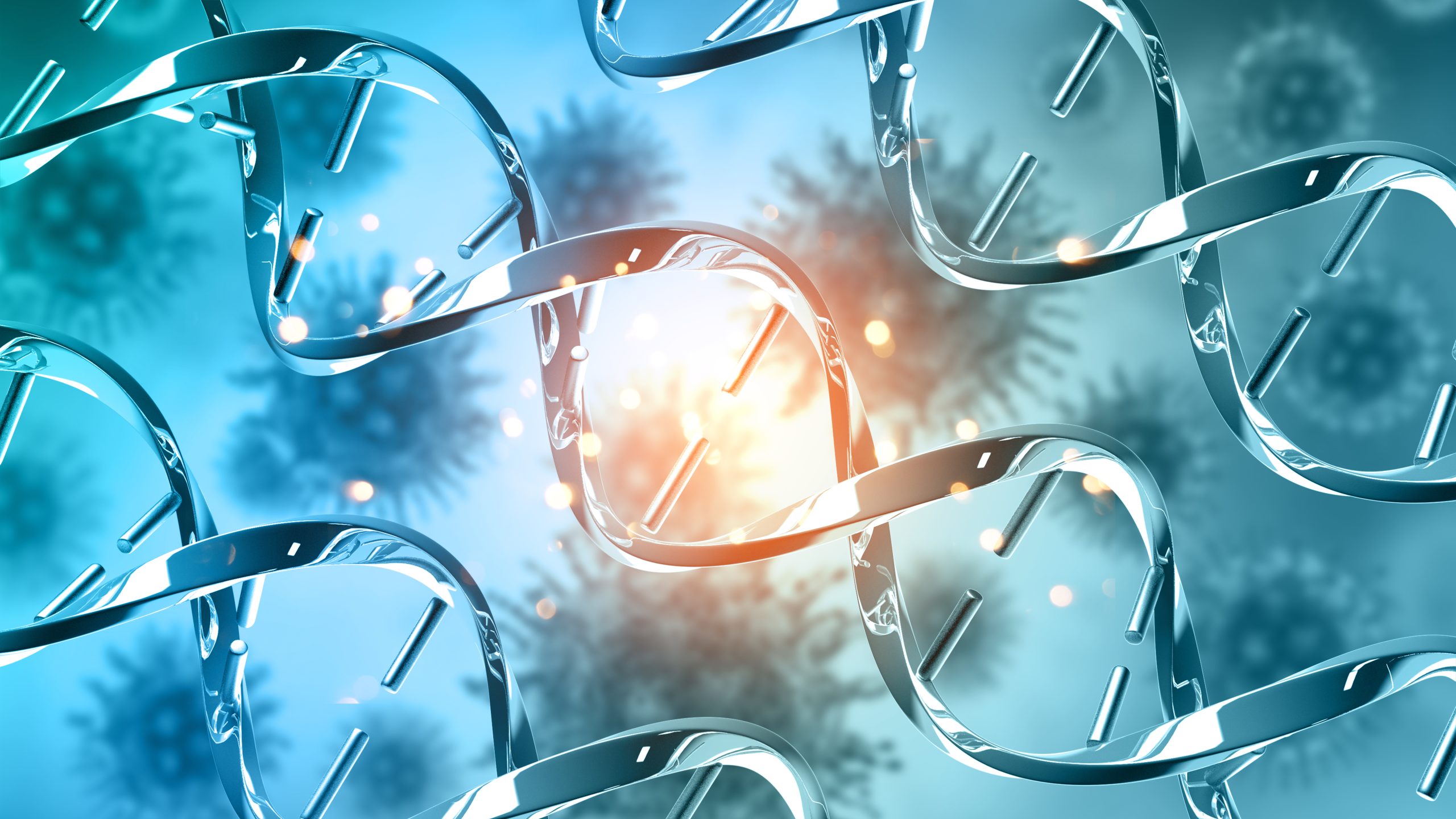
The ability to understand and manipulate genetic information marks one of the most significant scientific developments of the modern era.
The power of genome sequencing
The completion of the Human Genome Project in the early 2000s provided scientists with the first complete map of human DNA. Since then, the cost of sequencing genomes has fallen dramatically, allowing researchers to analyse genetic data at an unprecedented scale.
Today, genome sequencing helps scientists identify the genetic origins of diseases, trace the spread of infectious pathogens and understand the evolutionary history of species.
Gene editing and CRISPR technology
One of the most revolutionary developments in modern biology is the gene-editing technique known as CRISPR. This technology allows scientists to modify specific segments of DNA with remarkable precision.
Researchers are exploring how gene editing might treat inherited diseases, correct harmful mutations and improve crop resilience. Clinical trials are already investigating therapies for genetic disorders that were once considered untreatable.
Personalised medicine
Advances in genetics are helping physicians tailor treatments to individual patients. By analysing genetic profiles, doctors can identify which medications are most likely to be effective and which may cause adverse reactions.
Medical centres such as National Institutes of Health support large-scale studies aimed at integrating genetic data into everyday healthcare.
This personalised approach represents a shift away from uniform treatment strategies toward more precise medical care.
Ethical questions in genetic science
The power to modify genetic material also raises profound ethical questions. Should gene-editing technologies be used only to treat disease, or could they also be applied to enhance human abilities? How should governments regulate genetic experimentation?
International organisations including the World Health Organization have called for global guidelines to ensure that genetic technologies are used responsibly.
The future of biological science
Genetic research is still evolving, and many discoveries remain ahead. As scientists deepen their understanding of the genome, the boundary between biology and engineering continues to blur.
The next decades may see breakthroughs that fundamentally change how humanity approaches disease, agriculture and even the study of life itself.
