

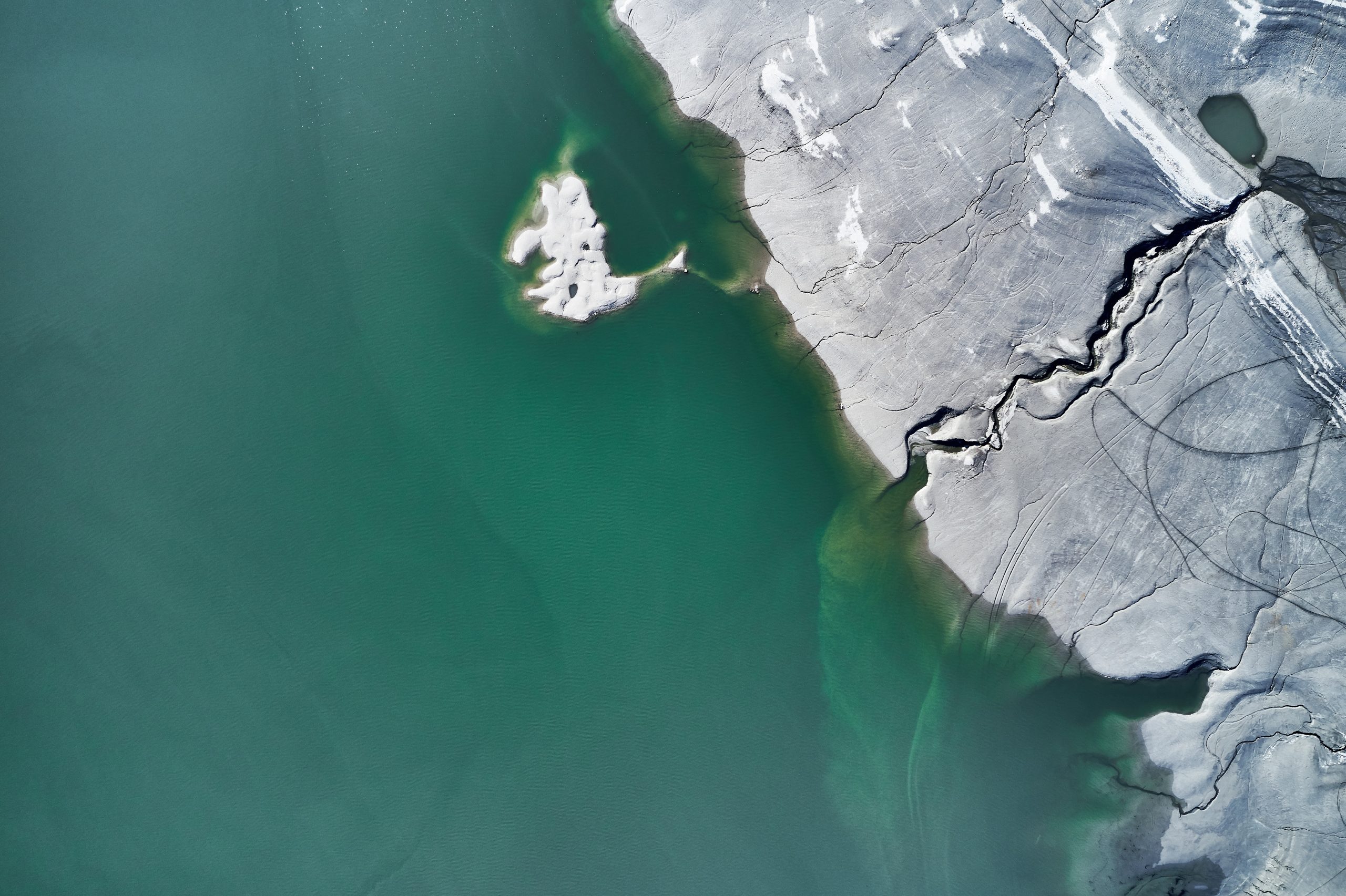
Marine scientists warn that the coming decades may determine whether ocean ecosystems can adapt to these changes.
Coral reefs under pressure
Coral reefs are among the most biologically diverse ecosystems on Earth. However, they are also highly sensitive to temperature changes. Warming ocean waters trigger coral bleaching events, in which corals lose the algae that provide them with nutrients.
Regions such as the Great Barrier Reef have experienced repeated bleaching events in recent years, raising concerns about long-term ecosystem stability.
Fisheries and global food systems
Hundreds of millions of people rely on seafood as a primary source of protein. Fisheries across the Pacific Ocean and Indian Ocean support coastal economies and global food supply chains.
However, overfishing and habitat degradation threaten the sustainability of many fish populations. International organisations such as the Food and Agriculture Organization monitor global fisheries to promote responsible management practices.
Ocean warming and changing currents
The oceans absorb more than 90 percent of the excess heat generated by greenhouse gas emissions. As water temperatures rise, marine species migrate toward cooler regions, altering ecosystems and fisheries.
Changes in ocean currents may also influence weather systems and regional climates, demonstrating how marine processes affect life far beyond the ocean itself.
The role of marine conservation
Marine protected areas are expanding as governments attempt to safeguard vulnerable ecosystems. These protected zones limit fishing, resource extraction and other activities that could damage marine habitats.
Countries such as Chile and New Zealand have established large marine reserves aimed at preserving biodiversity and supporting sustainable fisheries.
The ocean’s future
Despite mounting pressures, marine ecosystems retain remarkable resilience. Scientific research, conservation initiatives and improved fisheries management offer opportunities to restore damaged habitats.
The future of the oceans will depend on whether societies can balance economic activity with long-term environmental stewardship.
Healthy oceans are not only essential for marine life—they are fundamental to the stability of the entire planet.
