

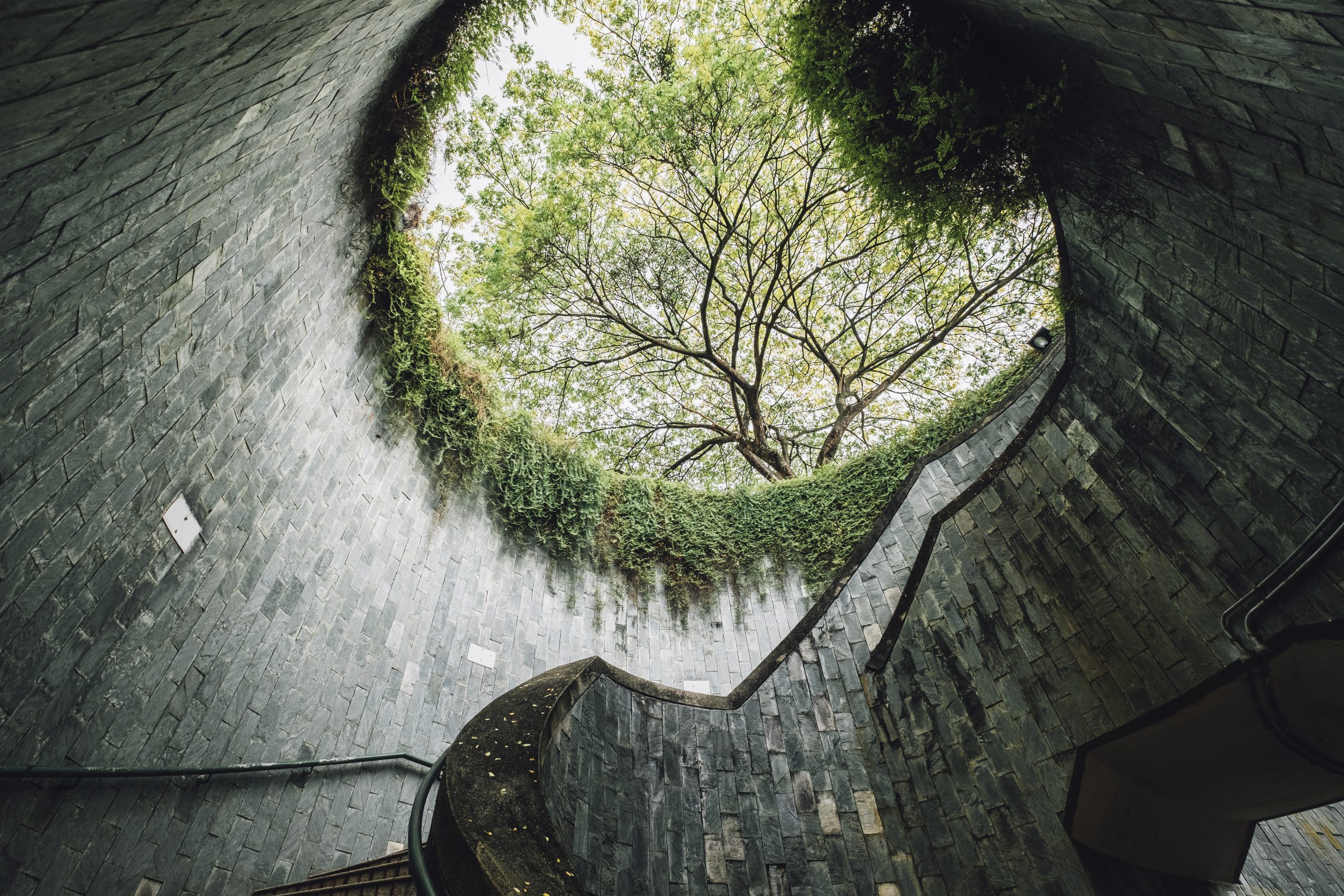
As cities continue to grow, the relationship between urban life and nature is changing.
Parks, trees, wetlands and green corridors are increasingly recognised not only as aesthetic features, but as essential infrastructure.
Urban nature can reduce heat, improve air quality, manage stormwater and support mental wellbeing.
City planners are also focusing more on biodiversity, creating habitats for birds, insects and other species within urban environments.
At the same time, access to green space is often unequal, with some communities having far fewer natural areas than others.
Experts suggest future cities may depend on integrating nature directly into urban design rather than separating the two.
In that sense, the future of nature may increasingly be shaped inside cities as much as outside them.
