

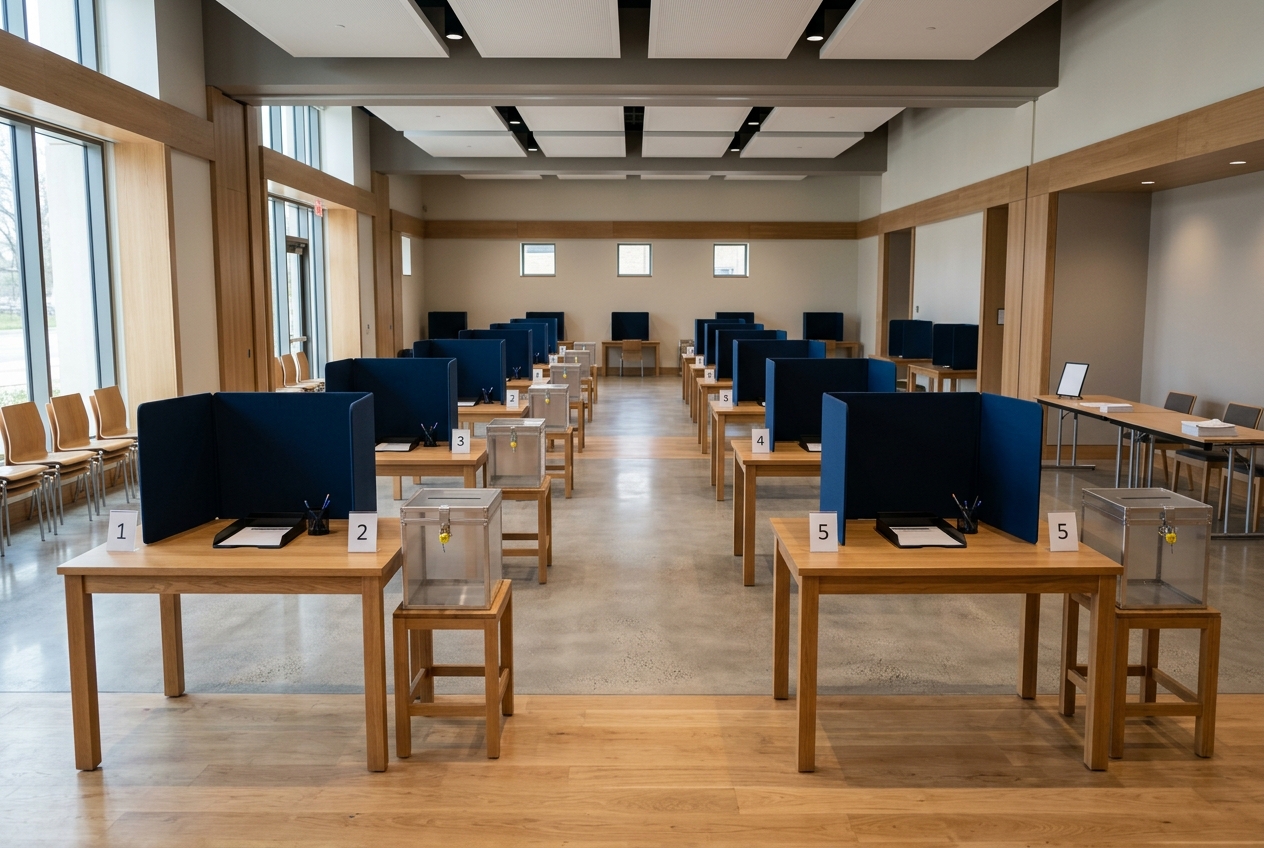
Voters in Alberta have begun casting ballots to determine whether the province should pursue a future binding referendum on separating from Canada. The initiative was put forward by provincial leader Danielle Smith following a grassroots campaign that gathered approximately 300,000 signatures in support of the move.
Supporters of independence argue that federal environmental policies originating in Ottawa have severely limited economic growth in the resource-rich province. Prominent campaigners, including Mitch Sylvestre and lawyer Jeffrey Rath of the Alberta Prosperity Project, contend that a decade of Liberal party leadership in the national capital has prioritized green initiatives over the development of Alberta’s oil and gas sectors.
Divided Opinions and Legal Challenges
Despite the referendum movement, public opinion surveys indicate that a majority of the province’s five million residents favor remaining part of Canada. A counter-petition advocating for national unity gathered over 400,000 signatures. Opponents of separation have warned that breaking away could saddle the province with substantial national debt and trigger economic instability similar to the United Kingdom’s departure from the European Union.
The voting process has also faced sharp criticism from First Nations leaders, who described the decision to proceed as undemocratic after a court blocked the initial petition for failing to consult Indigenous communities. Smith, who heads the United Conservative Party of Alberta, noted that while she personally opposes independence, the vote allows citizens to express their views. Canadian Prime Minister Mark Carney has urged residents to reject separation, highlighting the necessity of national unity amid external international pressures.
Voting Logistics and Next Steps
The specific question presented on the ballot asks whether Alberta should remain a Canadian province or authorize its government to begin the constitutional legal process to conduct a binding provincial referendum. Alongside the separation proposal, voters are considering nine additional measures, including proposals regarding provincial oversight of immigration.
If voters approve the measure on Monday, a binding vote on independence could take place as early as 2027. Election officials are hand-counting the ballots, with official results expected to be released shortly after polling closes.
Source: BBC News
