

The forces driving this shift are structural—economic pressure, digital transformation, demographic change and weakening public institutions.
The weakening of social bonds
Urbanisation, hybrid work and individualised lifestyles have reduced everyday contact between people. In cities such as New York City, London and Tokyo, daily routines that once relied on shared public life have become more private.
Sociologists note that the erosion of “third places”—cafés, libraries, community venues—has contributed to declining social interaction. Simultaneously, rising living costs force people to prioritise work over community.
The result is a society where individuals occupy the same physical spaces without forming social ties.
Digital life creates parallel realities
Social platforms increasingly act as separate social environments rather than public squares. Algorithms shape what people see, believe and engage with.
Research from the Pew Research Center highlights an expanding ideological gap in societies where online discourse dominates.
Individuals no longer disagree on interpretation; they disagree on basic understanding. The fragmentation of information produces self-contained communities with minimal overlap in worldview.
Economic strain reshapes behaviour
Rising housing costs, unstable employment structures and widening inequality have direct social consequences. Households delay marriage, parenthood and long-term planning. Multi-generational living increases; long-term renting replaces home ownership.
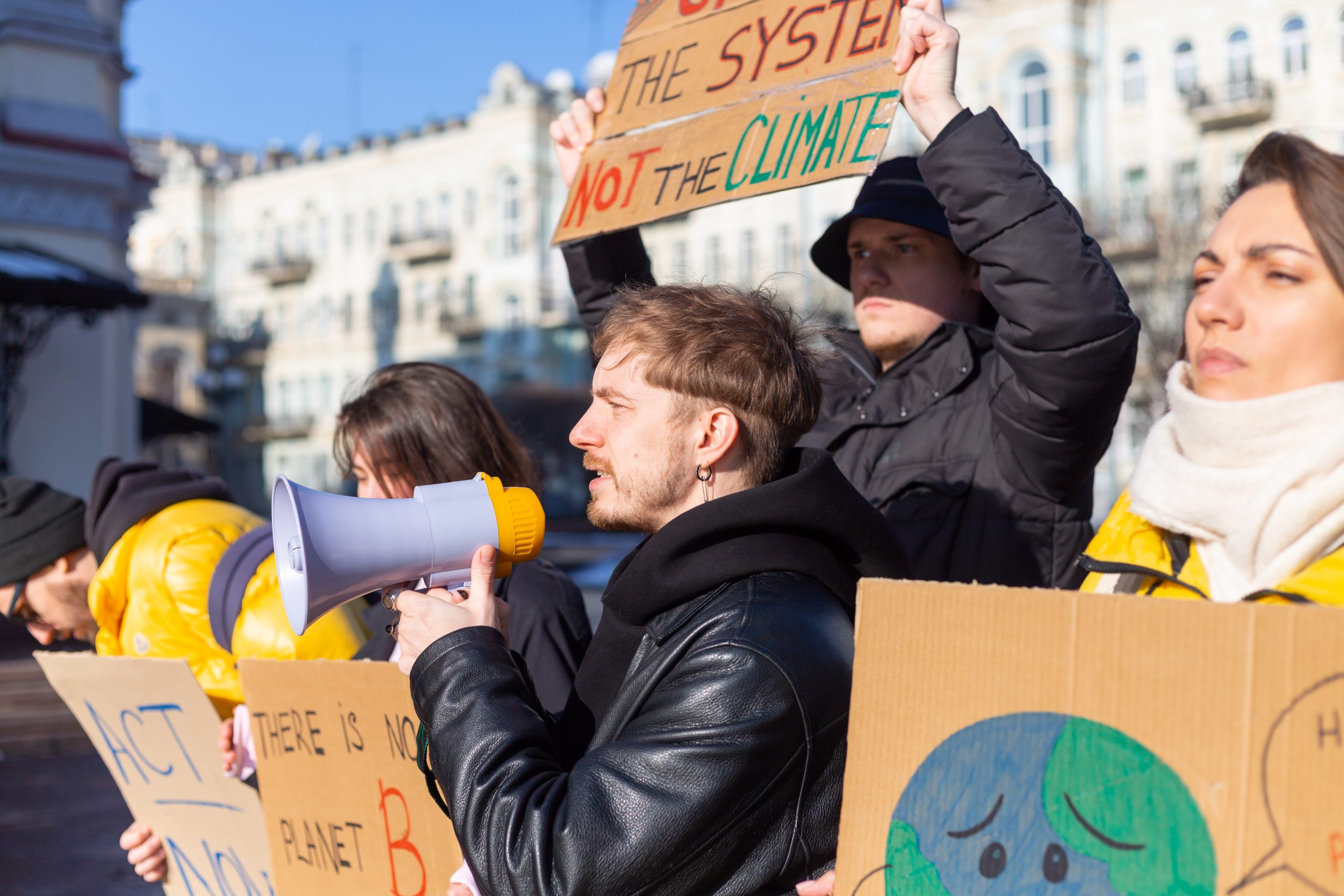
These pressures produce anxiety that permeates public life, lowering tolerance and reducing civic trust. Public frustration manifests in protests, political polarisation and institutional scepticism.
Mental health as a social indicator
Mental health conditions, particularly anxiety and chronic stress, continue to rise, becoming a barometer for broader societal pressures.
Health institutions such as the World Health Organization describe mental health not merely as a clinical issue but a structural one—reflecting economic insecurity, digital overload and weakened social infrastructure.
The disappearance of collective narratives
Shared cultural reference points—public broadcasters, national newspapers, common institutions—are losing influence. Instead, micro-communities built around lifestyle, identity and niche interests shape personal outlook.
This shift erodes collective orientation and makes social cooperation harder.
A society in search of reconnection
Policymakers increasingly acknowledge that social fragmentation cannot be resolved through technology or economic reform alone. Solutions require rebuilding public spaces, strengthening local institutions, supporting mental health networks and designing urban environments that encourage interaction.
Society in 2026 is not collapsing, but reconfiguring. The central challenge is restoring social cohesion in an era built on individualisation and digital segmentation.
