

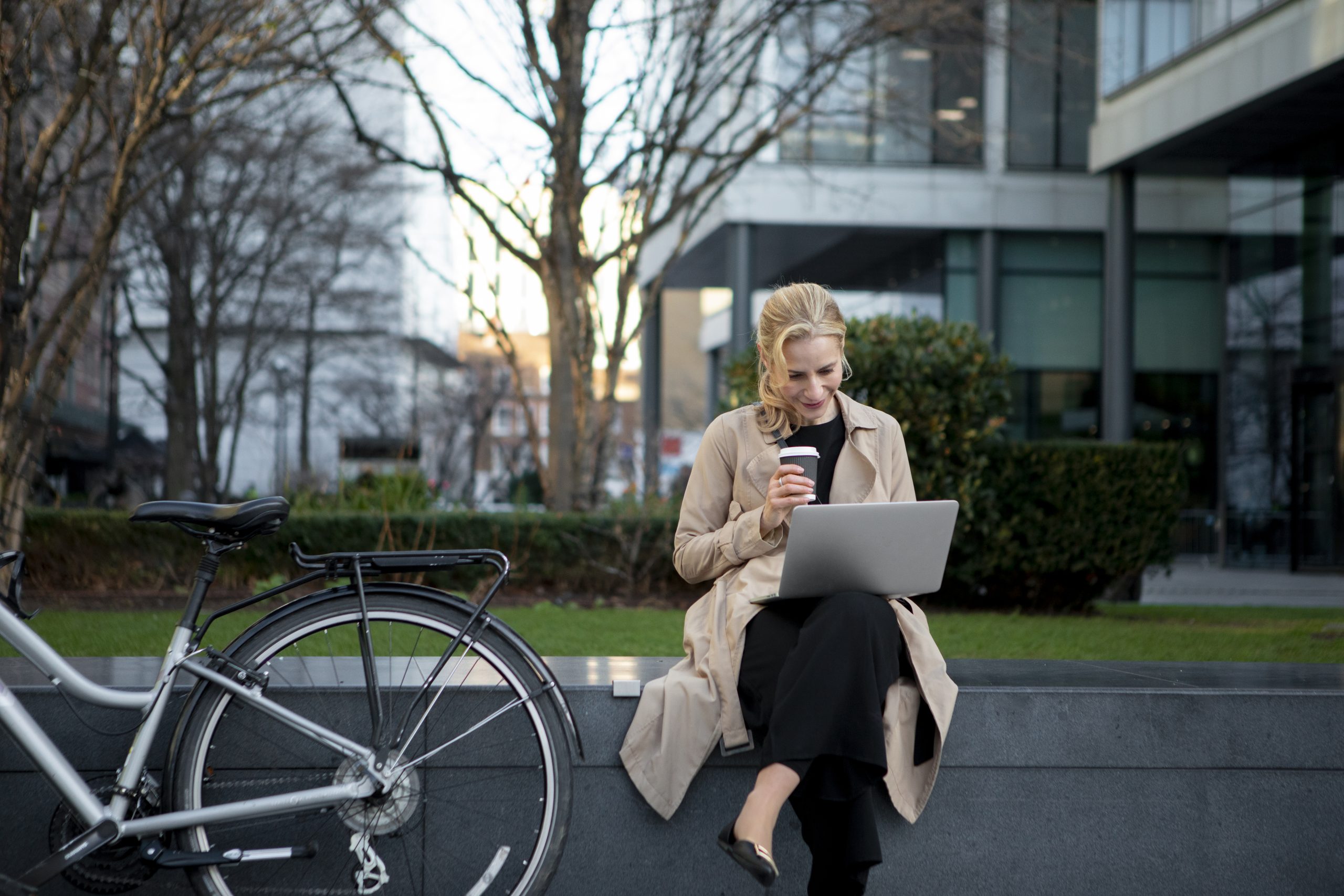
Remote work, once a temporary response to crisis, is now becoming a lasting feature of modern society — and its effects are extending far beyond the workplace.
The shift began during the COVID-19 pandemic, when millions of employees were forced to work from home. What has followed is not a full return to old patterns, but a hybrid system in which many workers split time between home and office.
This transformation is changing cities themselves. Central business districts in places like London and New York City have seen shifts in foot traffic, affecting retail, transport and commercial real estate.
At the same time, suburban and rural areas are gaining new relevance, as workers seek more space and flexibility.
For individuals, remote work offers benefits such as reduced commuting and greater autonomy. However, it also brings challenges, including blurred boundaries between work and personal life, isolation and reduced opportunities for informal collaboration.
Employers are still adapting. Some companies are encouraging a return to the office, while others are embracing flexible arrangements to attract talent.
Experts say the long-term impact will depend on how organisations balance productivity, employee wellbeing and organisational culture.
Remote work is not just changing how people work — it is redefining where and how they live.
