

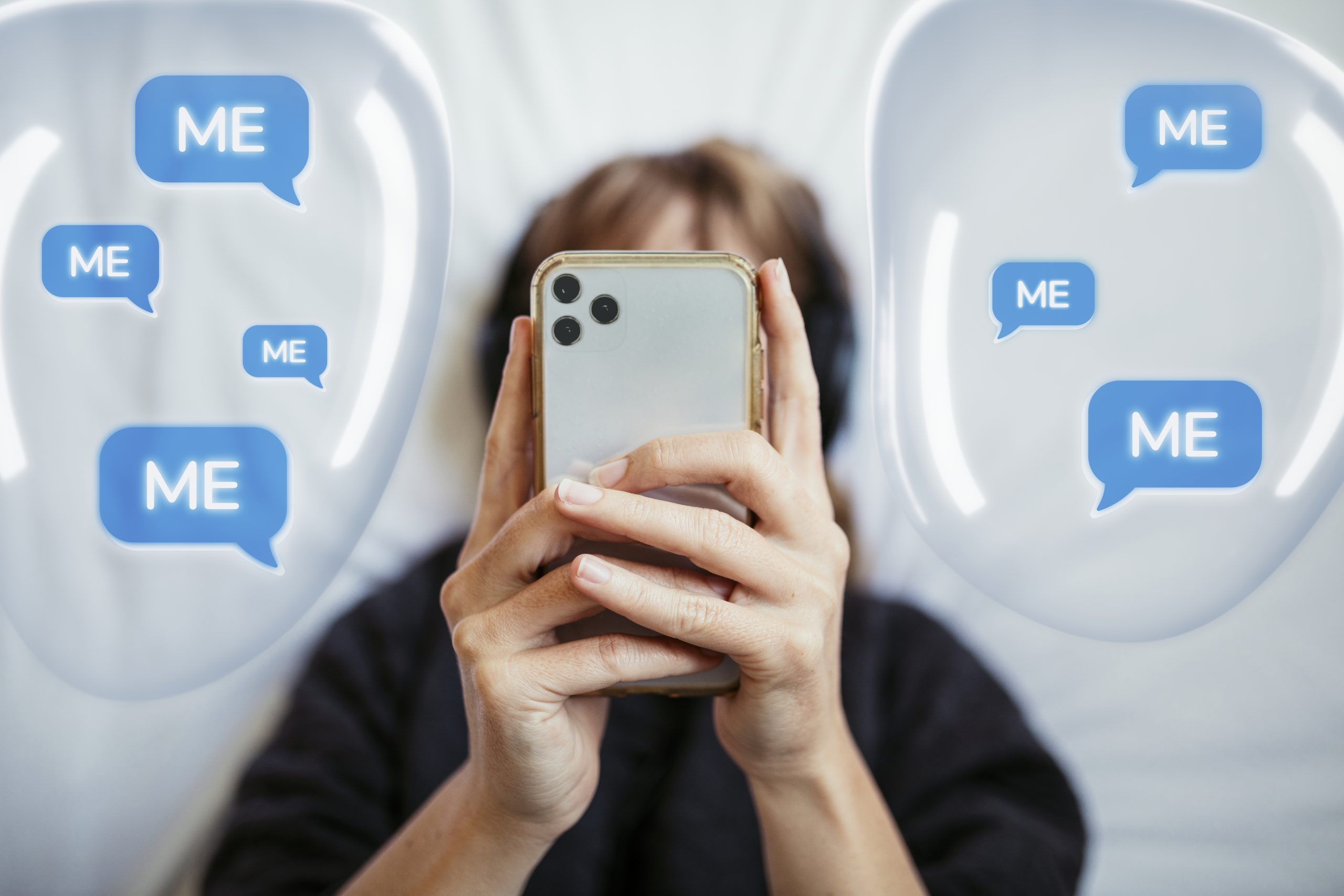
Social media was once seen as a tool for self-expression, giving people the ability to share their lives, ideas and identities with a global audience. Today, researchers say it is doing something more complex — shaping identity itself in ways that are not always positive.
Platforms such as Instagram and TikTok encourage users to present curated versions of themselves, often prioritising visibility and engagement over authenticity.
This can create pressure to conform to trends, aesthetics or expectations that may not reflect real experiences. For younger users in particular, identity formation is increasingly influenced by algorithms that amplify certain types of content.
Experts say this can lead to comparison, self-doubt and a sense that identity must be constantly performed rather than naturally developed.
At the same time, social media has enabled new forms of community. People can connect across borders, find support networks and explore aspects of identity that may not be accepted in their immediate environment.
The impact is therefore mixed. Social platforms can both empower and constrain, offering visibility while also shaping behaviour in subtle ways.
As digital life becomes more central, the question is no longer whether social media affects identity — but how deeply it does so, and what that means for future generations.
