

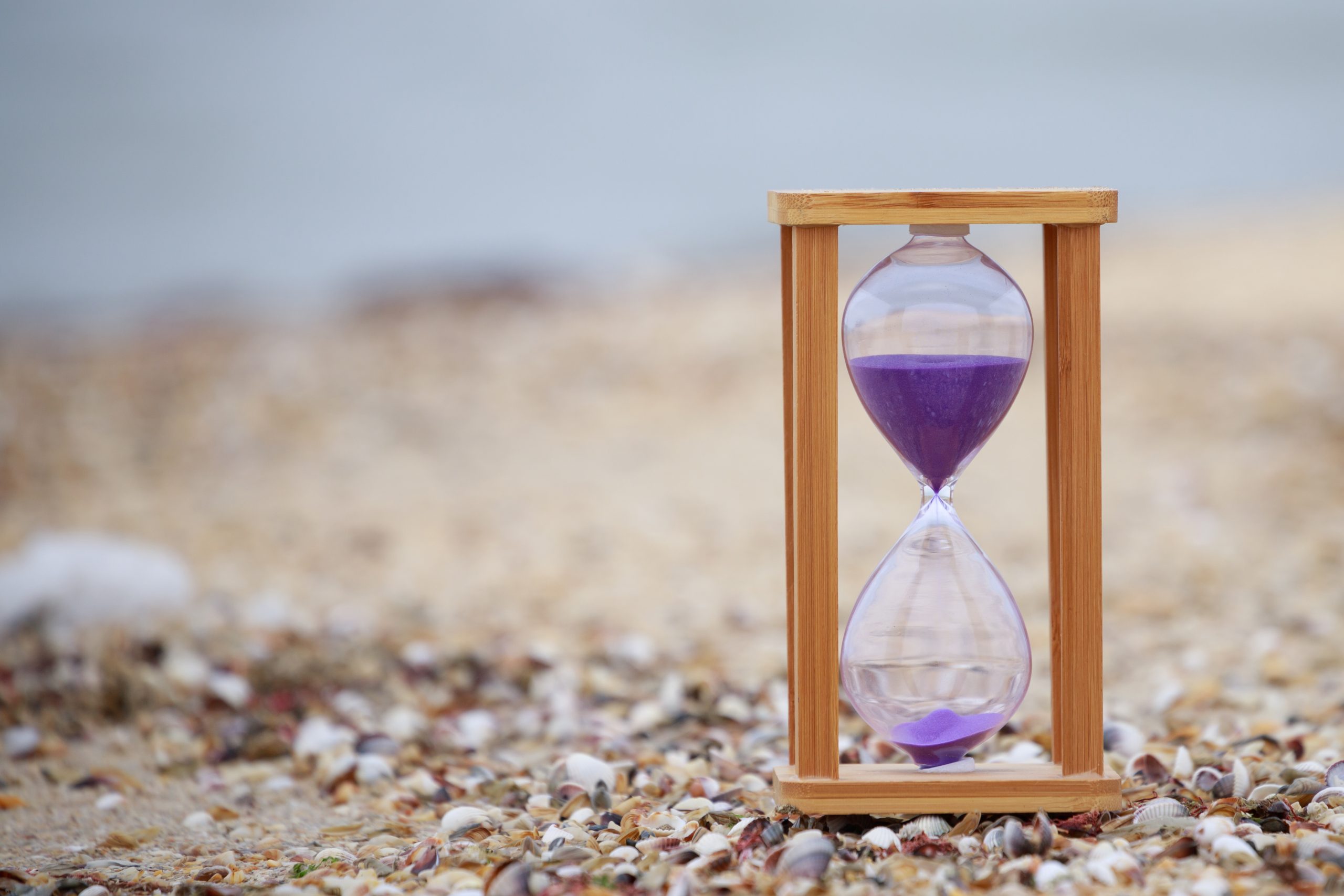
Wishing for an extra hour in the day is a familiar sentiment across much of the industrialized world. And every autumn, in places that turn clocks back, that wish technically comes true. Yet many people still feel pressed for time. Why?
Although we tend to think of time and “time poverty” — the sense of having too much to do and too little time — as objective and measurable, the experience of time is far more psychological. While having limited leisure time is associated with poorer well-being, simply counting free hours “doesn’t get at the experience of time,” says sociologist Michael Flaherty of Eckerd College in Florida. New research shows that feeling time-poor is driven more by perceptions than by actual schedules. Constant interruptions, overwhelming to-do lists and limited autonomy over one’s time all intensify the feeling of scarcity.
Nevertheless, most policies focus on increasing real time — for example, by regulating work hours — note psychologist Xiaomin Sun and colleagues in the Journal of Happiness Studies. Such measures are essential, given the links between time poverty and poor sleep, depression and strained relationships. But policies that ignore the subjective side of time are likely to fall short.
How much free time is “enough”?
To tackle the problem, researchers first need a benchmark — a time poverty threshold akin to economic poverty lines. Social scientists examined data from more than 35,000 Americans, searching for the amount of daily leisure associated with optimal well-being. The sweet spot, reported in 2021, was two to five hours of pleasurable, discretionary time. Both too little and too much free time were tied to lower well-being.
But this threshold isn’t universal. Psychologist Hal Hershfield of UCLA notes that when people spent their free time engaging in meaningful hobbies or social activities, the negative effects of having “too much” free time disappeared. In other words, the quality of leisure matters.
Still, the findings suggest that individuals with fewer than two hours of daily free time should be at risk of time poverty. Hershfield’s team is currently testing that prediction among U.S. adults.
The paradox of having time — yet still feeling rushed
Sun and her collaborators are also analyzing the 2024 national time-use survey from China, which includes roughly 100,000 people. Their yet unpublished results reveal a striking paradox: more than half of those who felt time-poor actually had more free time than the team’s 1.8-hour threshold. Meanwhile, over a third of the people who technically had less than 1.8 hours of free time per day reported not feeling time-starved.
To understand this contradiction, Sun’s team asked more than 250 people to track their daily activities for a week and complete questionnaires about well-being and time use. Participants rated statements such as “I never seem to have time to get everything done” (capturing time pressure) and “Today, I did things in a fast-paced manner” (capturing time intensity). The team also examined time fragmentation and time quality.
The results were clear: greater pressure, faster pace and more fragmentation all predicted stronger feelings of time poverty. In contrast, feeling absorbed and engaged in activities — a state akin to flow — was linked to a greater sense of time abundance.
What it takes to feel “time-rich”
Reducing time poverty will require both personal strategies and systemic reforms. On an individual level, Hershfield suggests conducting a daily audit — tracking activities, how long they take and how one feels afterward. Such an audit might reveal that hours spent scrolling social media leave people feeling depleted and time-poor. The key question then becomes: What can I adjust or remove to improve this?
But structural changes matter too. Sun argues that workplaces can reduce time scarcity by limiting interruptions, allowing focused work and even permitting restorative breaks such as short naps.
Simply adding more hours to the day isn’t enough, Sun emphasizes. “Even if a day were extended by one hour, if the quality and intensity of people’s time use do not change, people’s subjective feeling of time poverty would not improve.”
