

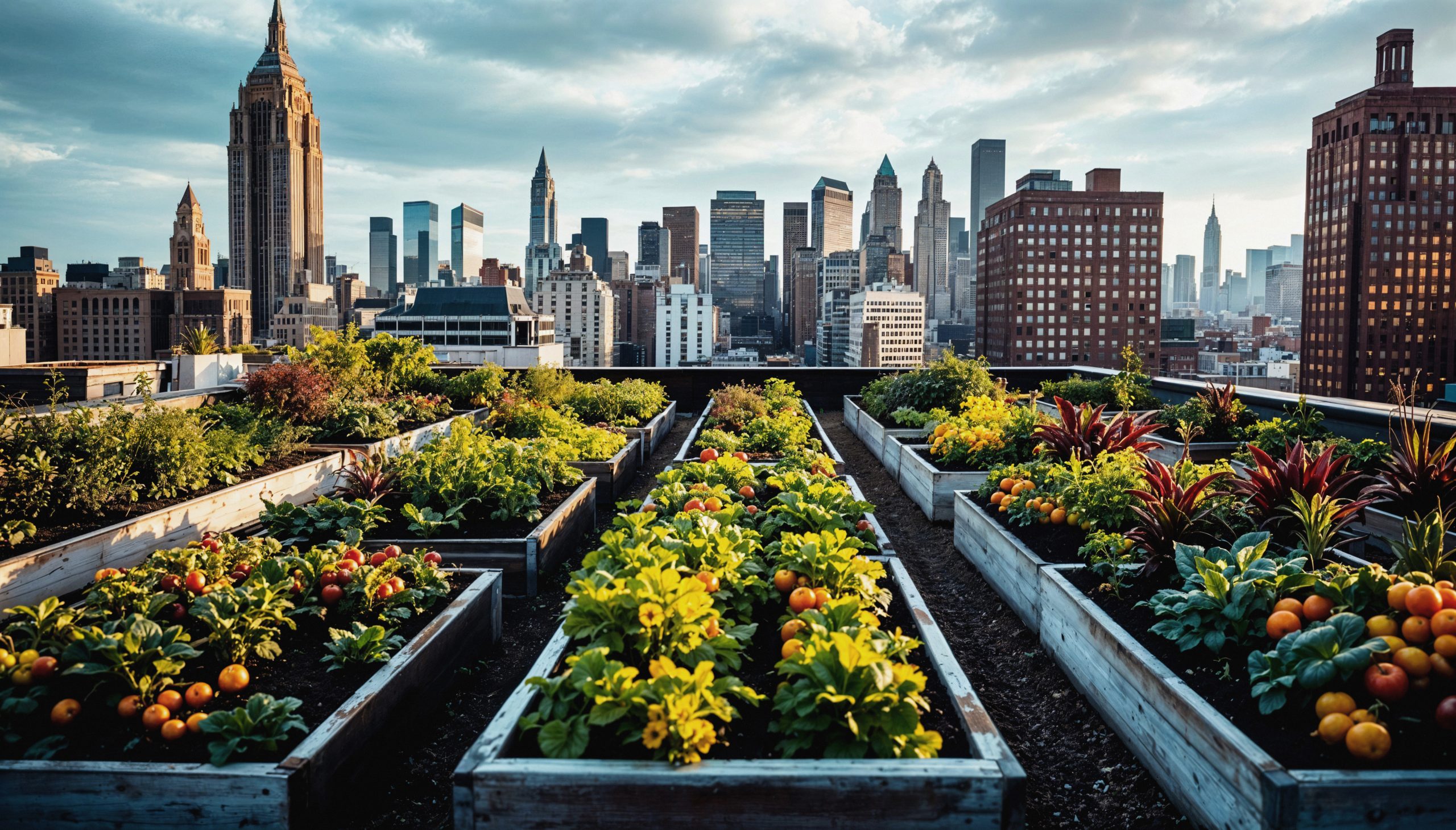
As climate pressures intensify and arable land becomes increasingly scarce, cities around the world are turning to a once-unconventional idea: growing food upwards, indoors, and year-round.
Vertical farming — the practice of cultivating crops in stacked layers inside controlled environments — is moving from experimental pilot projects to large-scale commercial operations. From London to Singapore, leafy greens are now being grown in warehouses, underground tunnels and repurposed office buildings, illuminated by LED lights rather than sunlight.
Supporters argue the model offers a glimpse of the future of food. Crops can be produced closer to consumers, drastically reducing transport emissions and dependence on fragile global supply chains. Water use is also significantly lower than in traditional agriculture, with some systems recycling up to 95% of what they consume.
The renewed interest follows a series of disruptions that exposed vulnerabilities in food systems — from extreme weather damaging harvests to geopolitical tensions affecting imports. Urban farms, advocates say, offer resilience in an uncertain era.
However, challenges remain. High energy costs, particularly for lighting and climate control, have raised questions about long-term sustainability and profitability. Several high-profile startups have collapsed in recent years, prompting scepticism about whether the sector can scale without heavy subsidies or cheaper renewable energy.
Despite this, investment continues. Advances in automation, artificial intelligence and energy-efficient lighting are helping to drive down costs. Supermarkets and restaurants, keen to secure reliable local produce, are also forming direct partnerships with indoor growers.
Urban planners see wider benefits. Bringing food production into cities could reconnect people with what they eat, while creating skilled jobs and repurposing unused infrastructure. Some schools and hospitals are already sourcing produce from nearby vertical farms, framing them as part of a broader push towards healthier, more sustainable communities.
While vertical farming is unlikely to replace traditional agriculture, few now dismiss it as a novelty. Instead, it is increasingly viewed as one piece of a complex puzzle — how to feed growing populations in a warming, crowded world.
