

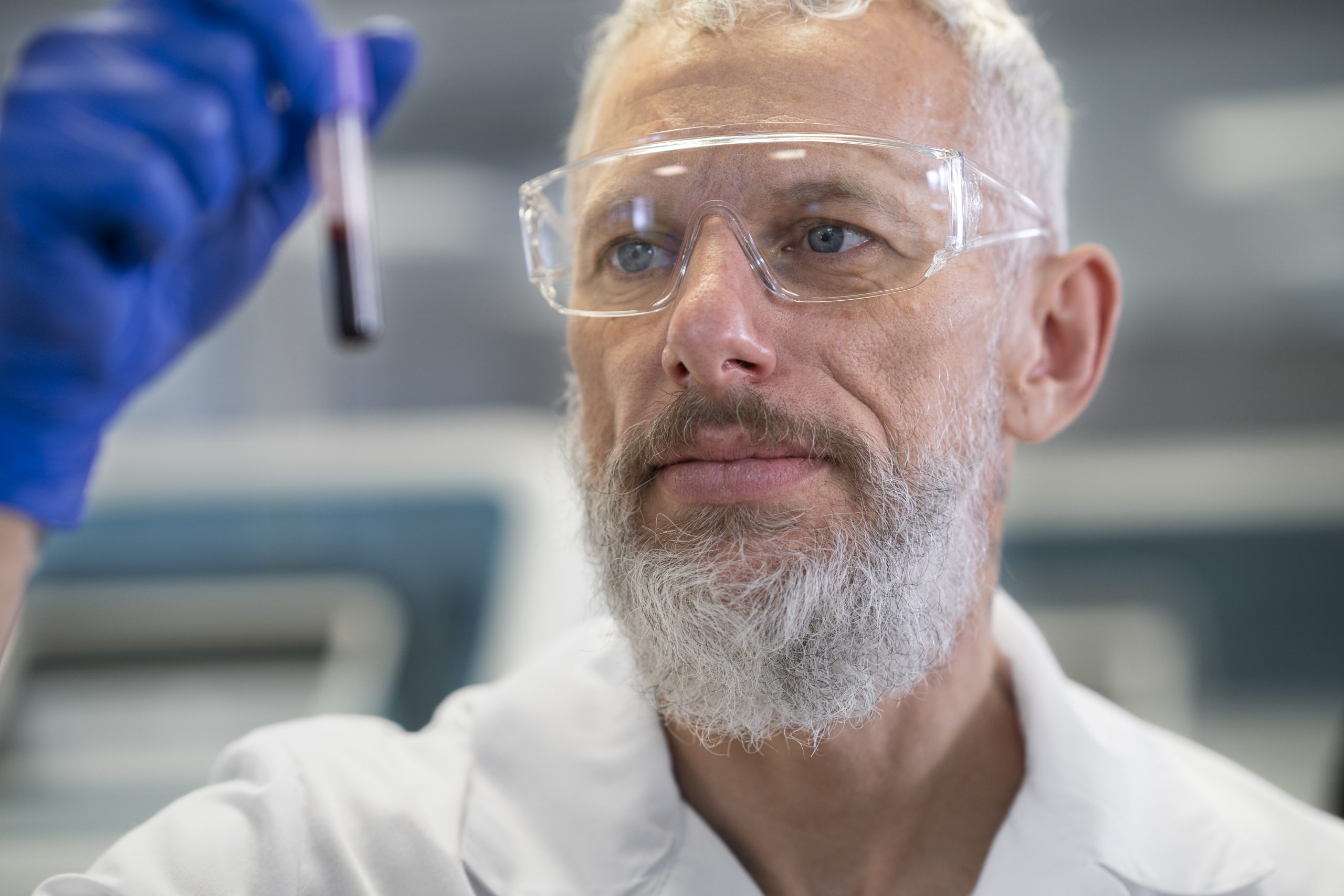
In a major advance for aging research and regenerative medicine, scientists have developed a novel technique that appears to reverse aging markers in human cells, potentially opening the door to future therapies aimed at delaying age-related diseases and extending healthy lifespan.
The research — conducted by an international team of biologists and published in a leading scientific journal — demonstrates that a combination of genetic and metabolic interventions can restore youthful characteristics in aged human cells grown in the laboratory.
How the Rejuvenation Method Works
Unlike previous approaches that merely slow aging, the new technique targets the cellular machinery that drives age-related decline:
- It resets epigenetic markers — chemical tags that control gene expression and accumulate “wear and tear” over time.
- The method also enhances mitochondrial function, improving energy production in older cells.
- Researchers report renewed activity in genes associated with cellular repair and resilience, giving treated cells traits similar to much younger counterparts.
Crucially, this reversal did not lead to uncontrolled cell growth or cancerous behaviour — a persistent concern in rejuvenation research.
Potential Medical Impact
Experts say the findings could have far-reaching implications for conditions linked to aging, including:
- Cardiovascular disease
- Neurodegenerative disorders such as Alzheimer’s and Parkinson’s
- Immune system decline
- Diabetes and metabolic syndrome
Dr. Amina Shah, a lead author of the study, noted that “by restoring cellular functions that typically diminish with age, we are seeing evidence of fundamental rejuvenation — not just symptom management.”
Next Steps: From Cells to Clinics
While the results in cultured human cells are promising, researchers emphasize that animal studies and safety trials are essential before any human treatments can be considered. Long-term studies will be needed to understand potential side effects and whether the benefits persist in complex tissues and whole organisms.
The team plans to begin preclinical testing in models of age-related disease within the next year.
Ethical and Social Considerations
As aging research progresses, ethicists and policymakers are weighing social, economic, and ethical implications of potential aging reversal therapies. Questions include fair access, impacts on lifespan, and how such technologies might affect social systems like retirement and healthcare.
A Gateway to Future Longevity Science
Scientists say this breakthrough adds to a growing body of evidence suggesting aging is not an unalterable process, but one that can be understood — and perhaps modified — through sophisticated biological interventions.
As research continues, 2026 may be seen as a turning point in longevity science, bringing the possibility of healthier, longer lives closer to reality.
