

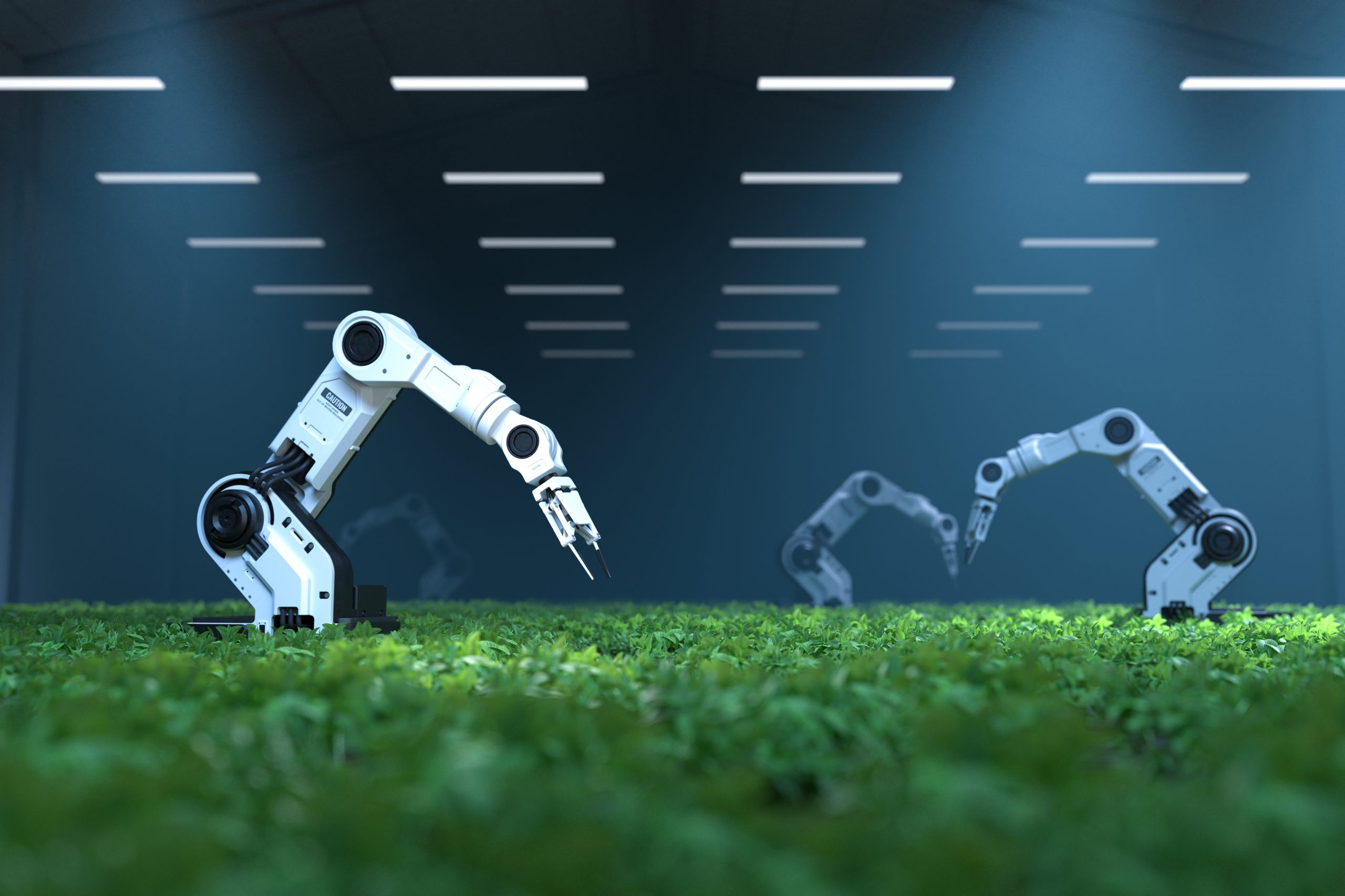
While artificial intelligence often dominates headlines, a parallel revolution is transforming the physical world. Robotics, autonomous vehicles, and intelligent infrastructure systems are rapidly moving from pilot projects to mainstream deployment — altering industries from logistics to urban planning.
Autonomous Logistics Redefines Supply Chains
Warehouses and ports are increasingly operated by fleets of autonomous robots. Companies such as KUKA are deploying collaborative robots capable of working safely alongside human employees, boosting efficiency while reducing manual strain.
In major shipping hubs, automated cranes and AI-driven inventory systems now manage global cargo flows with minimal human intervention. Analysts say this shift could reduce supply-chain bottlenecks but also disrupt traditional employment structures.
Delivery Drones and Urban Mobility
Cities across Asia, Europe, and North America are testing autonomous delivery drones and ground-based robots for last-mile logistics. Pilot programs coordinated with the Federal Aviation Administration are exploring how to safely integrate drone traffic into urban airspace.
Autonomous vehicles are also expanding beyond passenger transport, with driverless buses and freight trucks undergoing road trials. Proponents argue these systems could cut accidents and emissions, though regulatory and safety concerns remain significant.
Smart Infrastructure Learns and Adapts
Urban infrastructure is becoming increasingly intelligent. Smart traffic lights adjust in real time to congestion patterns; power grids balance renewable energy inputs automatically; and sensor networks monitor water systems for leaks or contamination.
Research teams affiliated with the Fraunhofer Society are developing infrastructure systems capable of predictive maintenance — identifying faults before breakdowns occur.
Agriculture Enters the Robotics Age
Farming is undergoing a technological transformation. Autonomous tractors, robotic harvesters, and AI-driven irrigation systems are now operational in several regions.
Technology developers working with the John Deere Intelligent Solutions Group have introduced precision-farming platforms that reduce fertilizer use and increase crop yields through satellite-guided analysis.
Experts say these systems could be crucial in meeting rising global food demand while minimizing environmental impact.
Industrial Automation and Energy Efficiency
Factories are increasingly integrating robotics with AI-driven energy management systems. Automated production lines can now adjust output in response to real-time market data or energy price fluctuations.
Industrial partnerships supported by the Siemens Industrial Automation Division highlight how digital twins — virtual simulations of factories — allow companies to test changes before implementing them physically.
Ethical and Economic Questions Intensify
As automation spreads, concerns about workforce displacement and economic inequality grow. Labor organizations are calling for retraining programs, social protections, and transparent deployment strategies.
Technology ethicists warn that fully autonomous systems must include robust oversight mechanisms to prevent accidents, bias, or misuse.
The Physical-Digital Convergence
The expansion of robotics and smart infrastructure signals a broader convergence between digital intelligence and physical systems. Experts argue that the coming decade will define how societies balance efficiency with equity, automation with employment, and innovation with accountability.
If managed carefully, the automation frontier could deliver safer cities, cleaner industries, and more resilient supply chains. If not, it risks deepening existing divides.
