

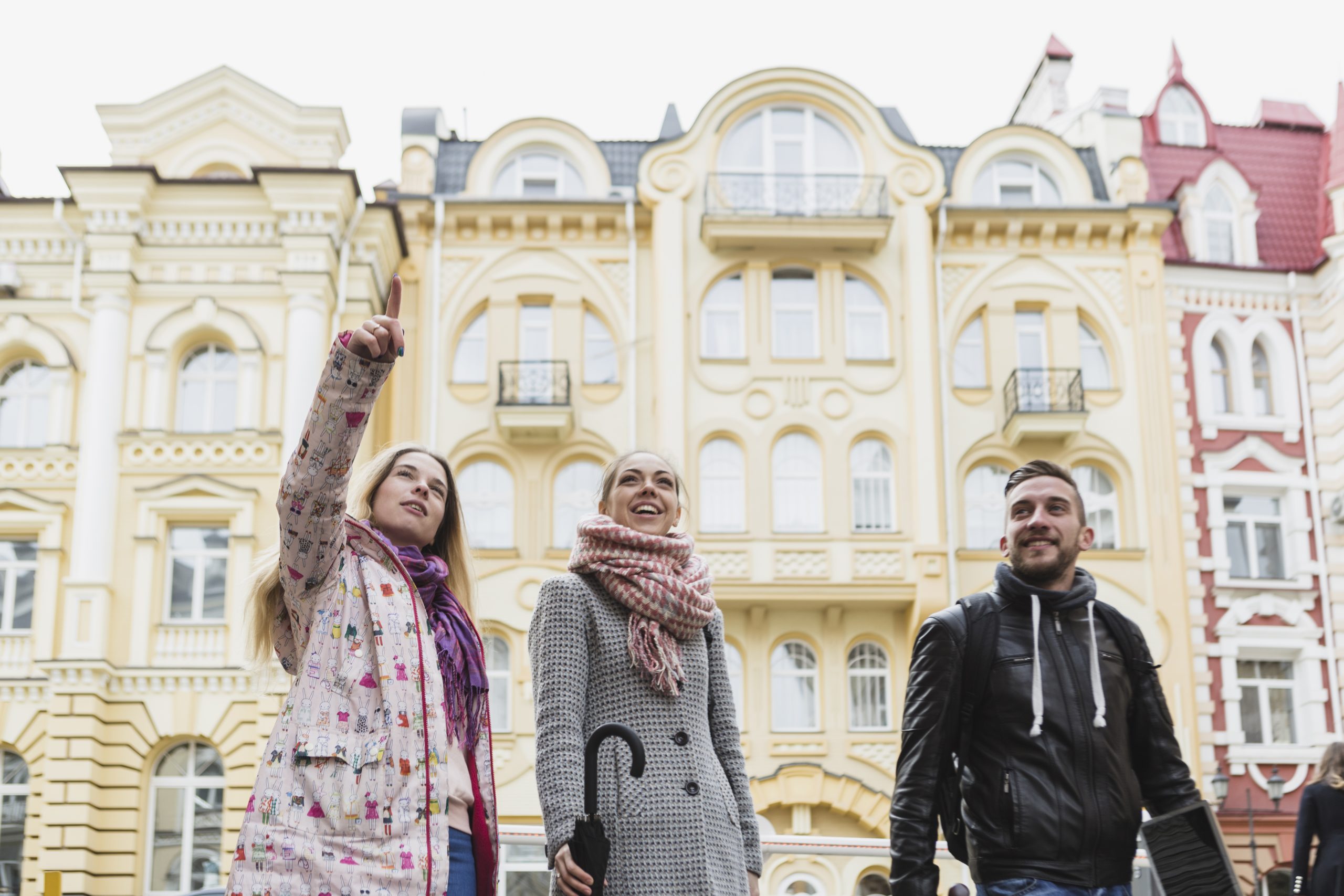
Two European cities have officially kicked off their tenure as European Capitals of Culture for 2026, marking a major moment for arts, heritage, and community engagement across the continent. The prestigious designation — backed by the European Union’s Creative Europe programme — began on January 1 and is expected to draw international attention throughout the year.
Celebrating Culture and Creativity in Europe
The cities of Oulu in Finland and Trenčín in Slovakia were selected to share the title for 2026, following a rigorous selection process that evaluates cultural vision, regional impact, and artistic ambition. Over the next 12 months, both cities will host a wide array of exhibitions, performances, festivals, and cultural initiatives designed to promote creativity, inclusivity, and collaboration among diverse communities.
Oulu — known for its innovative blend of technology and tradition — plans to emphasize digital arts, music, and cross-cultural dialogue through a calendar packed with concerts, installations, and interactive events. Meanwhile, Trenčín is leveraging its rich historical heritage and vibrant local arts scene to spotlight regional artists and invite global participation in theatre, visual arts, and public spaces.
Boosting Global Cultural Exchange
The European Capitals of Culture initiative, established in 1985, aims to foster cultural exchange, urban regeneration, and international cooperation among participating cities. Past designated capitals — from Liverpool to Pécs — have used the year to transform cultural infrastructures and attract tourism, while promoting creative economies.
For Oulu and Trenčín, 2026 presents a strategic opportunity to raise their global profiles, strengthen local creative sectors, and build lasting cultural networks that extend well beyond Europe’s borders. Authorities emphasize that the programme contributes not only to artistic enrichment but also to long-term social and economic benefits for both cities and their regions.
