

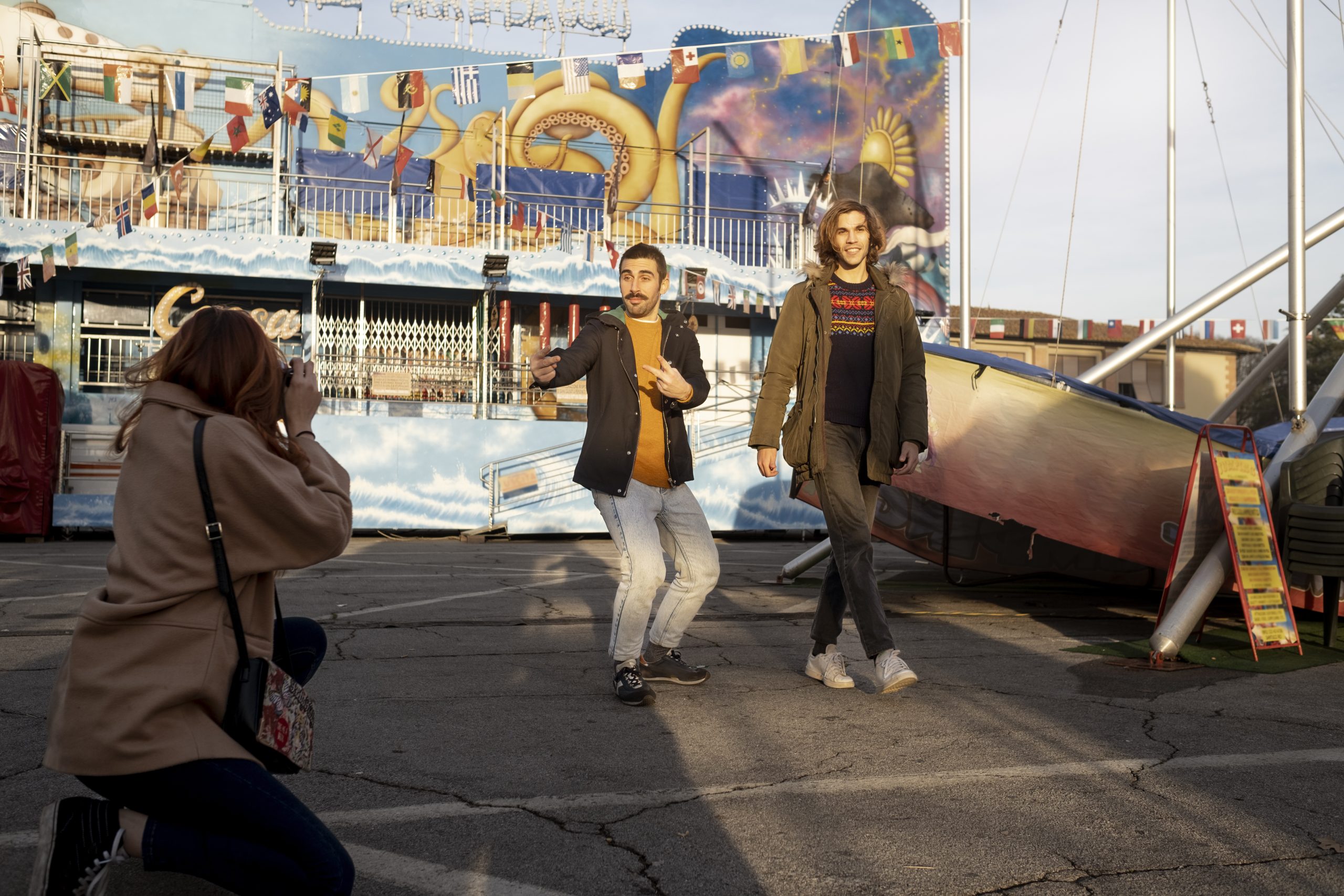
Street art festivals, community theatre projects and open-air exhibitions have multiplied in cities from Berlin to São Paulo. These initiatives reflect a broader effort to reconnect cultural expression with everyday social life.
Museums adapt to changing audiences
Traditional cultural institutions are evolving to meet new expectations. Museums such as the Tate Modern and the Museum of Modern Art increasingly design exhibitions that invite participation rather than passive observation.
Interactive installations, immersive digital experiences and public discussions have become common features. Cultural institutions now see themselves as civic spaces rather than simply repositories of art.
Culture as urban regeneration
Municipal governments recognise that cultural activity contributes to economic vitality. Investments in creative districts, performance venues and public art programmes can revitalise neighbourhoods affected by industrial decline.
Cities including Manchester and Melbourne have used cultural policy to attract tourism, stimulate local business and strengthen community identity.
The power of shared experiences
Digital media offers convenience, but it cannot fully replace the collective experience of attending a concert, visiting an exhibition or watching theatre in a shared space. Cultural sociologists argue that these gatherings strengthen social cohesion by creating moments of shared meaning.
As societies confront political polarisation and social fragmentation, cultural spaces play an increasingly important role in sustaining civic dialogue.
A renewed appreciation of local culture
Another defining feature of contemporary culture is a renewed interest in local traditions—crafts, cuisine, music and language. Communities are rediscovering regional heritage as a source of identity in a globalised world.
This trend does not reject global culture but complements it, producing a hybrid cultural landscape where international influences coexist with local expression.
Culture as social infrastructure
The resurgence of public cultural life suggests that art is not merely entertainment. It functions as a form of social infrastructure—supporting education, community engagement and civic identity.
In an era defined by technological transformation, culture continues to provide a space where societies reflect on their values and imagine their collective future.
