

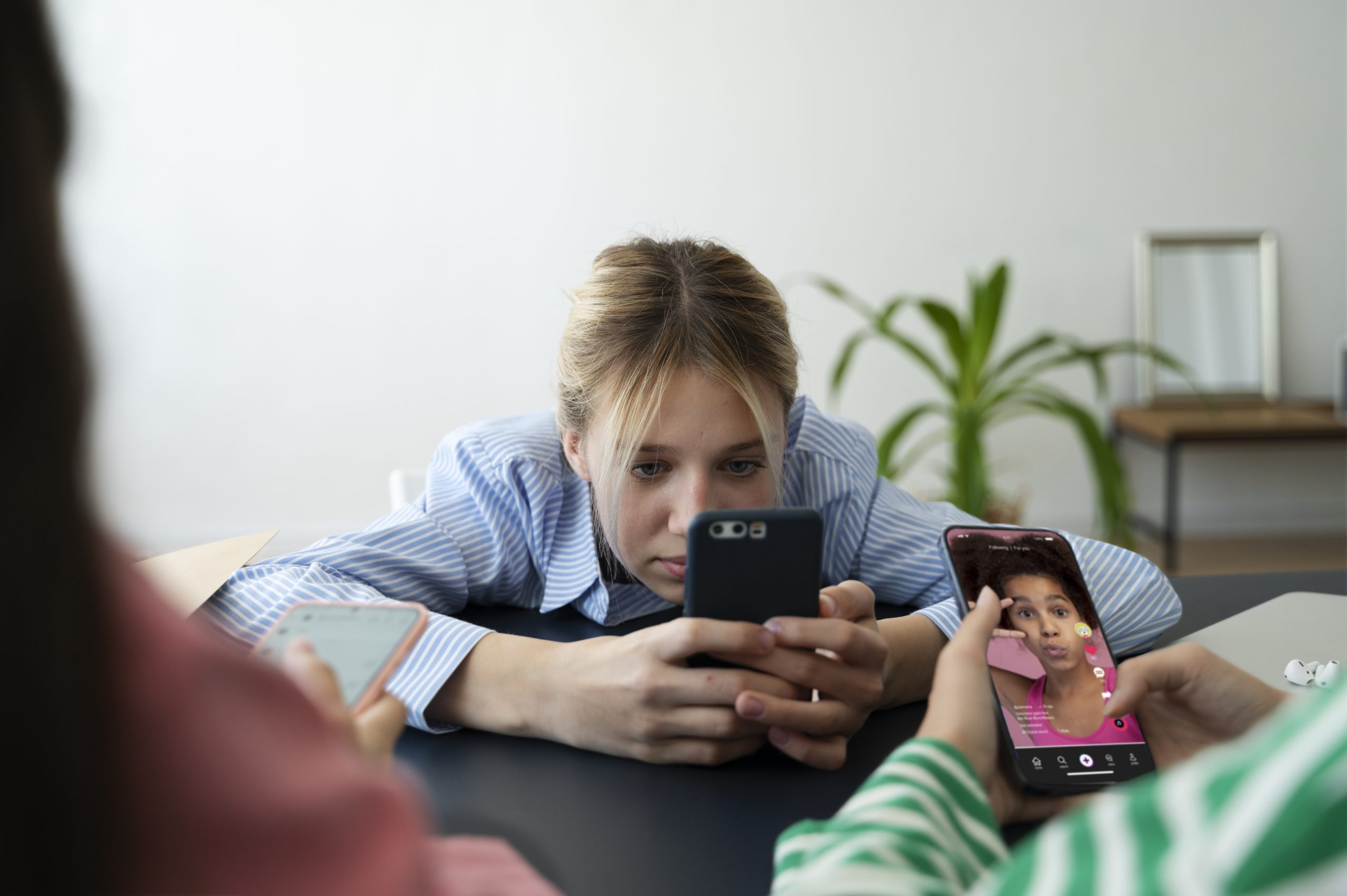
For 15-year-old Sadmir Perviz, Wednesday afternoons have become a fixed part of his week. He travels from his Perth home to Fiona Stanley Hospital, not for treatment in the conventional sense, but to play Dungeons & Dragons with a group of people he may not know personally, yet shares much in common with.
Sadmir is one of around 300 patients at Australia’s only publicly funded gaming disorder clinic, which helps young people reduce excessive online gaming. The hospital space is unassuming, but a corner is stacked with board games like Jenga, Uno, and Sushi Go, offering patients a more interactive and social experience than hours spent in front of a screen.
“It feels completely different,” Sadmir says. “You roll the dice instead of clicking a button. You interact with people, so you actually know who’s there rather than just being on a call with strangers.”
Dr Daniela Vecchio, the psychiatrist who established the clinic, says gaming itself isn’t harmful, but can become addictive. She points out that online gaming and social media carry similar risks for children, including excessive screen time, exposure to predators, and cyberbullying.
This raises questions about Australia’s recently introduced “world-first” social media ban for under-16s, which prevents teens from having accounts on platforms such as Instagram, Snapchat, and X. While platforms like YouTube and TikTok remain accessible, gaming platforms were notably excluded.
Vecchio finds the omission puzzling. “Gaming and social media are so intertwined, it’s very hard to separate the two,” she explains. Many young gamers, like Sadmir, spend hours on platforms like Steam or YouTube, interacting with other players and watching live streams. She highlights Discord and Roblox as particularly concerning, a view echoed by experts and parents. Both platforms have faced scrutiny over exposure of minors to inappropriate content.
Roblox recently rolled out age-verification checks in Australia and two other countries, with global implementation planned for January. Discord has introduced a “teen-by-default” setting for Australian users.
Former clinic patient Kevin Koo, 35, reflects on his own experience. “I grew up in the wild west of internet usage,” he says. “There were no restrictions, and I got free rein online. The damage was already done.” Koo, once consumed by online gaming, likens the experience to substance abuse.
Dr Vecchio agrees with the comparison and says she would support raising the age for access even higher, suggesting that gaming disorder, now recognized by the World Health Organization, affects more children than official estimates suggest. A 2022 Macquarie University study indicated about 2.8% of Australian children suffer from it, though Vecchio believes the real number is likely higher.
The Australian government frames the social media ban as a way to protect children from harmful content, online grooming, and predatory algorithms. However, the legislation excludes platforms whose primary purpose is not social interaction, which is why gaming platforms were left out. Experts argue this distinction is arbitrary and ignores the risks online gaming poses.
Tama Leaver, professor of internet studies at Curtin University, says the ban is blunt and calls for a more nuanced approach. “There’s a spectrum of gaming experiences,” he explains. “Some are nurturing and creative, like Minecraft. Others, like Roblox, offer tools for adult-oriented games that minors can still access.”
He also warns about new risks, including the use of AI chatbots by young people, which can exacerbate gaming and online addiction. Former patient Kevin Koo describes how he relied on AI for mental health advice, resulting in a psychotic episode. Now, he balances online resources with in-person therapy.
The government has pledged ongoing reviews of the banned platforms. In November, Twitch was added, reflecting its role as a space where gaming and social interaction converge. Communications Minister Anika Wells noted the eSafety Commissioner is monitoring Roblox and emphasised that the ban is part of a broader, evolving “treatment plan” rather than a one-time fix.
As demand grows at the gaming disorder clinic, Vecchio remains concerned about children left exposed. “The legislation is excluding platforms where children interact with others, some of whom may cause harm. Children need protection and safeguarding,” she says.
The case of Sadmir and others highlights the blurred line between social media and gaming, and raises questions about whether Australia’s new regulations go far enough in protecting young people from online addiction.
