

“We’re confident these digital tools work — they will shape the health services of the future.”
Working alongside colleagues at the Centre for Research and Technology Hellas in Thessaloniki, Pantelis Natsiavas helped lead a pioneering effort — the MyPal project — that could fundamentally reshape the relationship between doctors and patients. By harnessing digital platforms, the initiative aims to improve the quality of care and ultimately enhance the quality of life for people living with cancer.
Healthcare is about far more than prescribing medication. As the saying goes, knowledge is power — and the way patients communicate with their doctors strongly influences both their well-being and physicians’ ability to provide effective treatment. Everyone deserves the chance for a healthier and longer life, and both patients and caregivers need strong support systems.
“We are still in the early days of using digital technology in health, but this approach could be applied to many chronic diseases, not just cancer.”
— Pantelis Natsiavas, MyPal
Building evidence through clinical trials
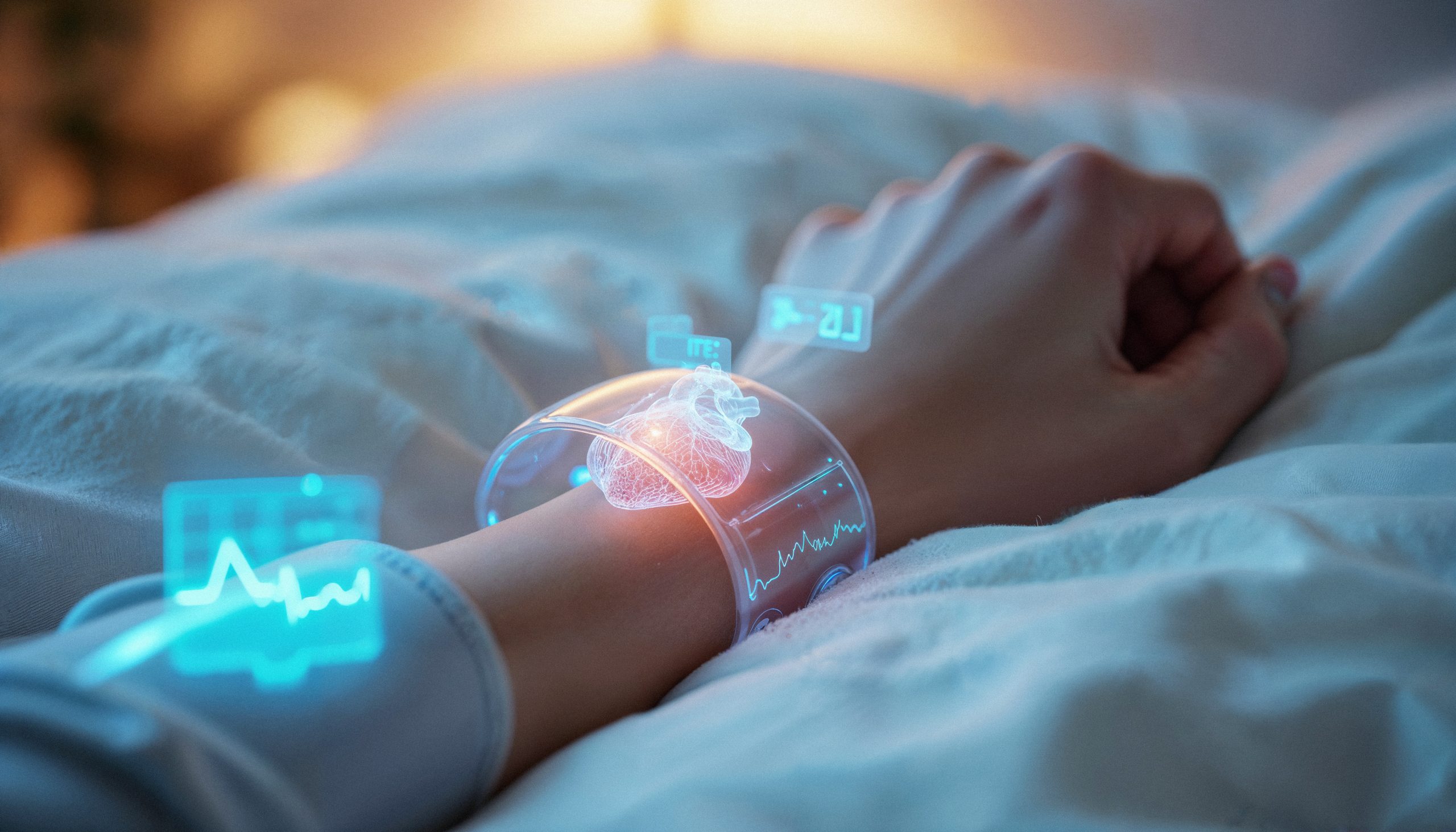
More than 200 cancer patients — both adults and adolescents — across five EU countries (Czechia, Germany, Greece, Italy, and Sweden) participated in clinical trials over two years using MyPal, a digital app designed to enhance communication between patients and clinicians. The app educates users about their illness, enables real-time symptom reporting, and includes questionnaires that give doctors a clearer overview of each patient’s condition before in-person visits. This, in turn, leads to more tailored and effective care.
“This is a tremendous opportunity,” says Natsiavas. “We need further clinical studies to build the kind of hard evidence governments require before integrating these tools into public health systems.”
Dr. Thomas Chatzikonstantinou, an oncologist at G. Papanikolaou General Hospital in Thessaloniki — one of the two Greek trial sites — saw the benefits firsthand. One of the app’s greatest strengths, he explains, is its ability to alert clinicians to emerging issues long before traditional appointments.
“It’s a supplement to usual care — not a replacement,” he says. “Normally, we see patients every three months and only for about ten minutes. But with the app, I could access information instantly and use it to guide our conversations.”
A smarter system that saves time
Beyond communication, MyPal acts as a dynamic medical information repository. It stores individual patient data, identifies trends through built-in analytical tools, and offers quick, comprehensive insights into health status. By doing so, it not only enhances care planning but also helps bridge geographical gaps, granting remote patients faster access to support.
“Many patients told us that communication with their physicians improved during the trial,” Chatzikonstantinou notes. “A specialised app gives you the full picture in one place. And instead of adding extra work, it actually saves time — much of your assessment is already done before the visit.”
A new era for palliative care
The project also aimed to broaden public understanding of palliative care — which is often mistakenly associated only with end-of-life support — by highlighting its broader mission: improving quality of life and providing meaningful, ongoing support for anyone living with a serious illness.
Natsiavas and his colleagues are now preparing for the next phase in collaboration with European partners. “We’ve shown these tools work in real-world settings,” he says. “Now we want to scale the approach.”
Strength in collaboration
European research and innovation in health thrives on cross-border cooperation — sharing expertise, resources, and solutions to strengthen healthcare systems across the continent. Effective progress requires close partnerships among policymakers, researchers, clinicians, and patients.
Science, research, and innovation: our hidden ally
This work forms part of the EU’s broader efforts to tackle major challenges such as climate change, cancer, and the protection of oceans and water systems. By pooling funding and expertise, the EU empowers international collaborations capable of addressing problems no single country could solve alone.
Thanks to EU investment, global research teams can partner on solutions that safeguard our planet and society.
Join the mission to support pioneering research by following and sharing stories from
