

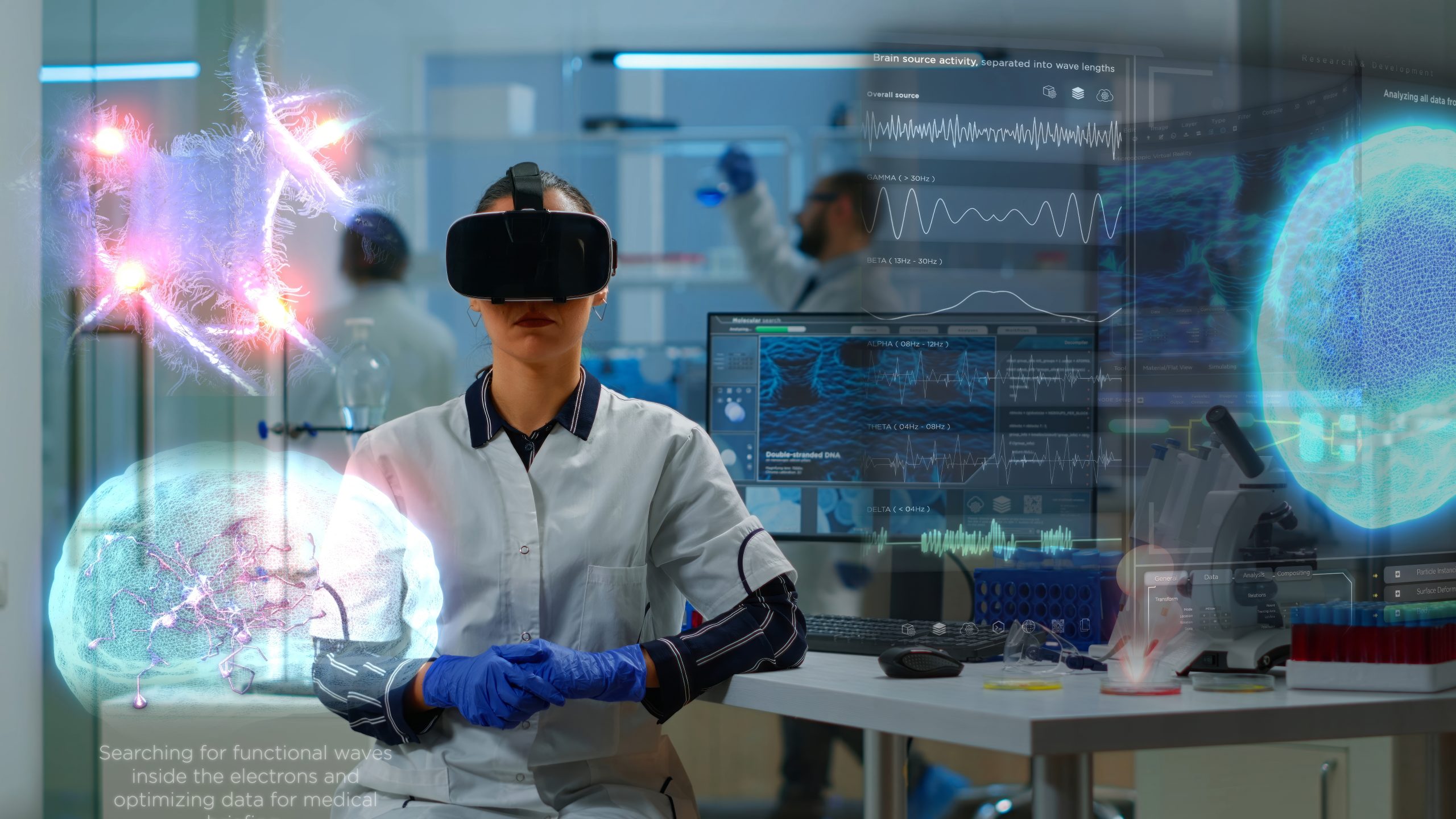
Breakthroughs in regenerative medicine, precision therapies, and bioengineered treatments are reshaping the future of global healthcare. Scientists say these innovations could one day eliminate certain chronic diseases, restore damaged organs, and extend healthy human lifespan — but only if access keeps pace with discovery.
Regenerative Medicine Moves From Experiment to Therapy
Medical researchers affiliated with the Harvard Stem Cell Institute report progress in using stem-cell–based treatments to repair damaged heart tissue, restore vision, and regenerate cartilage. What was once theoretical is now entering early clinical trials worldwide.
Bioengineered tissues — including skin, blood vessels, and pancreatic cells — are being tested as transplant alternatives, potentially reducing global dependency on organ donors.
Precision Medicine Personalizes Every Aspect of Care
Advances in genomics and data-driven diagnostics are making treatments more personalized. Hospitals and research centers connected to the National Human Genome Research Institute are developing individualized therapy plans based on a patient’s unique genetic profile, lifestyle, and microbiome.
Precision oncology — targeting the specific mutations driving a patient’s cancer — is becoming increasingly common, offering higher success rates and fewer side effects compared to traditional chemotherapy.
Bioengineered Vaccines Accelerate Immune Protection
The next generation of vaccines is being designed using synthetic biology platforms that can be updated in days rather than months. Public-health leaders working with the Gavi, the Vaccine Alliance say these technologies could prevent future pandemics by enabling near-instant global manufacturing.
Researchers are also testing “universal vaccines” aimed at protecting against entire virus families, which could drastically reduce the threat posed by seasonal influenza or emerging zoonotic diseases.
Medical Robotics Transform Surgery
Robotic platforms are becoming more precise, flexible, and autonomous. Innovations under evaluation at the Cleveland Clinic include next-generation surgical robots capable of real-time imaging, automated suturing, and remote operation.
These systems could expand access to safe surgery in low-resource regions, where shortages of trained surgeons remain acute.
Global Health Gaps Threaten Equitable Access
Despite scientific progress, access to advanced treatments remains highly uneven. Analysts at the Global Health Council warn that without major financing reforms, regenerative therapies and precision treatments may widen global inequality.
Low-income nations face barriers including patent restrictions, limited biotech infrastructure, and shortages of specialized clinicians. Health economists argue that new models of technology transfer and open-science collaborations will be essential.
Data Privacy and Bioethics Move to the Forefront
As health systems adopt digital twins, AI-assisted diagnostics, and genome-driven medicine, privacy concerns are escalating. Bioethics groups highlight risks around genetic discrimination, algorithmic bias, and the commercial use of sensitive health data.
Regulators are calling for stronger consent systems, transparent AI models, and global standards for health-data governance.
A Medical Revolution in the Making
Experts say the world is entering a new chapter in healthcare — one defined not by treating disease after it appears, but by predicting, preventing, and repairing it at the molecular level.
The promise is extraordinary: longer lives, fewer chronic diseases, and radically improved quality of care. Yet the challenge is equally profound: ensuring that these breakthroughs benefit everyone, not only those in wealthier nations.
The next decade will determine whether this medical revolution becomes a universal advancement or a new frontier of global inequality.
