

European Union and Nato leaders have pledged to increase pressure on Russia after Germany said Moscow was responsible for a failed drone attack at Leipzig/Halle airport in August.
European Commission President Ursula von der Leyen described the incident as a new escalation on EU territory and said Europe needed to respond more quickly and effectively to what she called Russia’s increasingly reckless actions. Nato Secretary General Mark Rutte said the alliance stood in full solidarity with Germany.
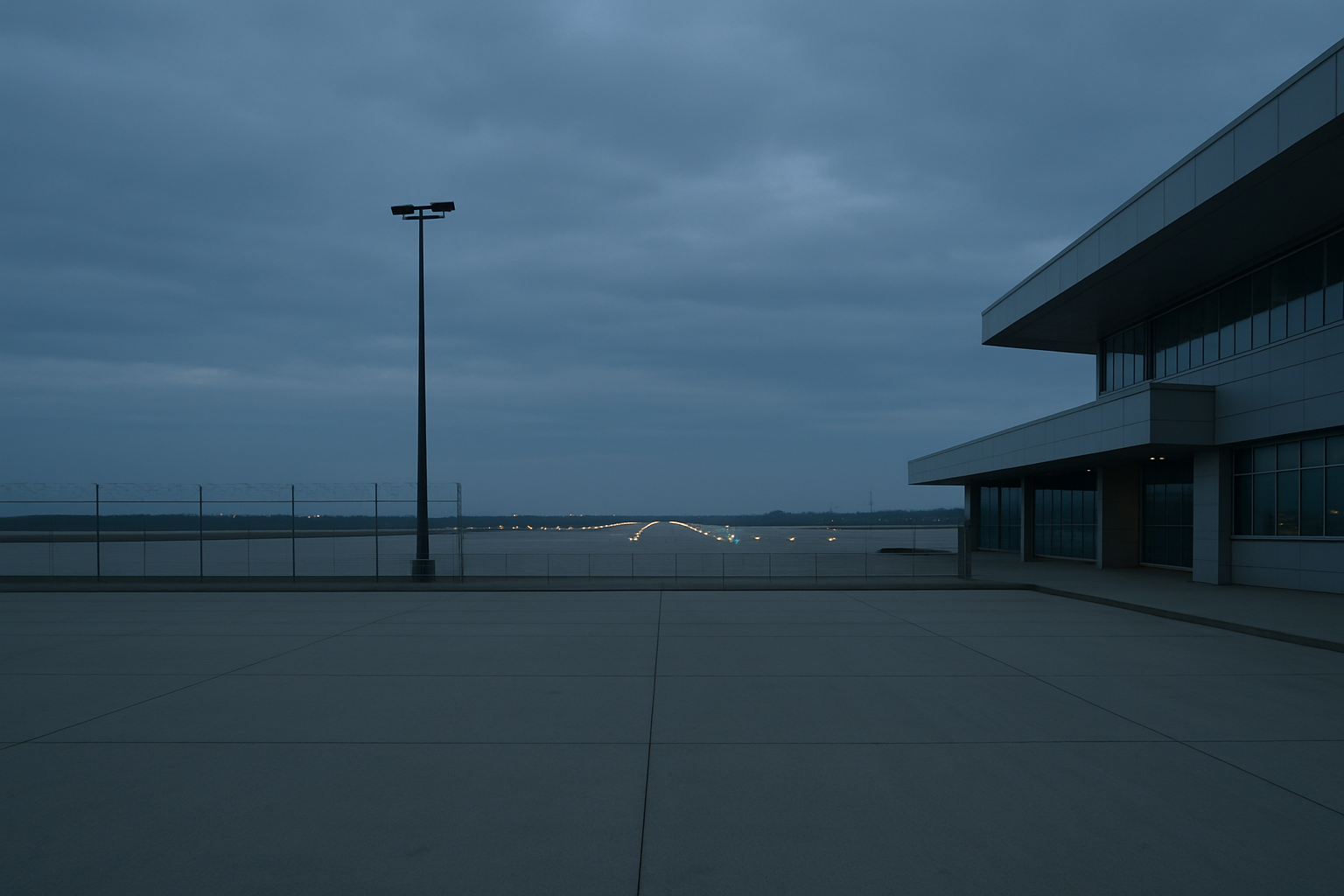
German authorities said a drone carrying explosives was found on 4 August near a Ukrainian cargo aircraft at Leipzig/Halle airport. A robot defused the device. A second drone is believed to have struck another cargo plane, while a third was reportedly discovered at the airport 10 days later.
The German government said on Tuesday that police and intelligence findings had concluded that Russia was behind the incidents. Germany’s interior minister said the device’s configuration, components, explosives and detonator matched materials associated with previous Russian hybrid operations.
Diplomatic measures and Russian denial
Two suspects have reportedly been identified in the case. One was described as a Belarusian national with a Russian passport who entered Germany on a tourist visa. The other reportedly held Latvian and Russian passports, arrived in Berlin by air and left two days before the attempted attack.
Berlin has announced plans to close the Russian consulate in Bonn and the Russian House cultural institution, which has long been suspected by German authorities of serving as a Kremlin propaganda outlet. Russia rejected the German allegations, saying Berlin had not provided evidence, and its foreign ministry said it would respond with equivalent measures.
Russian President Vladimir Putin called Germany’s steps a serious mistake that ran counter to German interests. Deputy Foreign Minister Alexander Grushko said Moscow might consider severing relations with Berlin, although he said diplomacy was still being given a chance.
Calls for a coordinated European response
German officials are considering a broader response with allies, including additional EU sanctions and possible restrictions on Russian visitors across the bloc. At a meeting of EU foreign ministers in Ireland, France’s Foreign Minister Jean-Noël Barrot said European action could also target Russia’s so-called shadow fleet, used to transport oil and other cargo in an effort to evade EU sanctions.
France, Belgium and the Netherlands said they had summoned Russian ambassadors over the Leipzig incident. Lithuania’s Foreign Minister Kestutis Budrys said Russia appeared to see little political cost in carrying out hybrid operations against European allies.
Von der Leyen said the airport episode formed part of a wider pattern that included drones and interference with critical infrastructure. Rutte also referred to risks from drones and missiles near Nato’s eastern flank and to other alleged hostile activities, including fires at facilities producing defence equipment for Ukraine.
German authorities are separately investigating suspected sabotage following attacks on electricity substations in eastern Germany and near Cologne. The perpetrators and motive have not been established. In Poland, Prime Minister Donald Tusk said a fire at a factory producing combat drones was an intentional act of arson and sabotage.
Von der Leyen said the EU would maintain and increase pressure on Moscow, while foreign ministers discussed further measures aimed at reducing Russia’s ability to finance the war in Ukraine.
Source: BBC News
