

Societies around the world are entering 2026 with growing social tension, deepening mistrust, and renewed pressure to rethink economic fairness. Recent surveys, political debates and protest movements show a global public increasingly anxious about the future — and skeptical of both institutions and one another.
1. Social Trust Collapses as People Become More Suspicious of “Difference”
A new edition of the 2026 Edelman Trust Barometer reveals a sharp spike in social anxiety: in 28 countries, nearly 70% of respondents say they distrust people who are different from themselves, whether in views, background, or identity.
Researchers link this decline in trust to a combination of economic uncertainty, political polarization, misinformation, and fears around technological disruption. These forces, they warn, are eroding the ability of societies to cooperate or build shared visions for the future.
2. Nearly 400 Millionaires and Billionaires Push for Higher Taxes on the Wealthy
At the World Economic Forum in Davos, a coalition of almost 400 wealthy individuals from 24 countries released an open letter urging governments to raise taxes on the ultra-rich.
High-profile signatories — including actor Mark Ruffalo and philanthropist Abigail Disney — argue that extreme wealth concentration threatens democratic stability and fuels social division. Survey data cited in the letter shows broad support among affluent groups for stronger taxation measures to help fund public services.
3. France Warns of Expanding Masculinist and Anti-Women Networks
In France, the High Council for Equality between Women and Men issued a warning about the growing influence of masculinist groups and online communities promoting hostile sexist rhetoric.
According to the council, these networks normalize discrimination and potentially endanger women’s rights, calling for stronger education efforts and digital regulation to counter their spread.
4. Youth Protest Movements Surge Across Continents
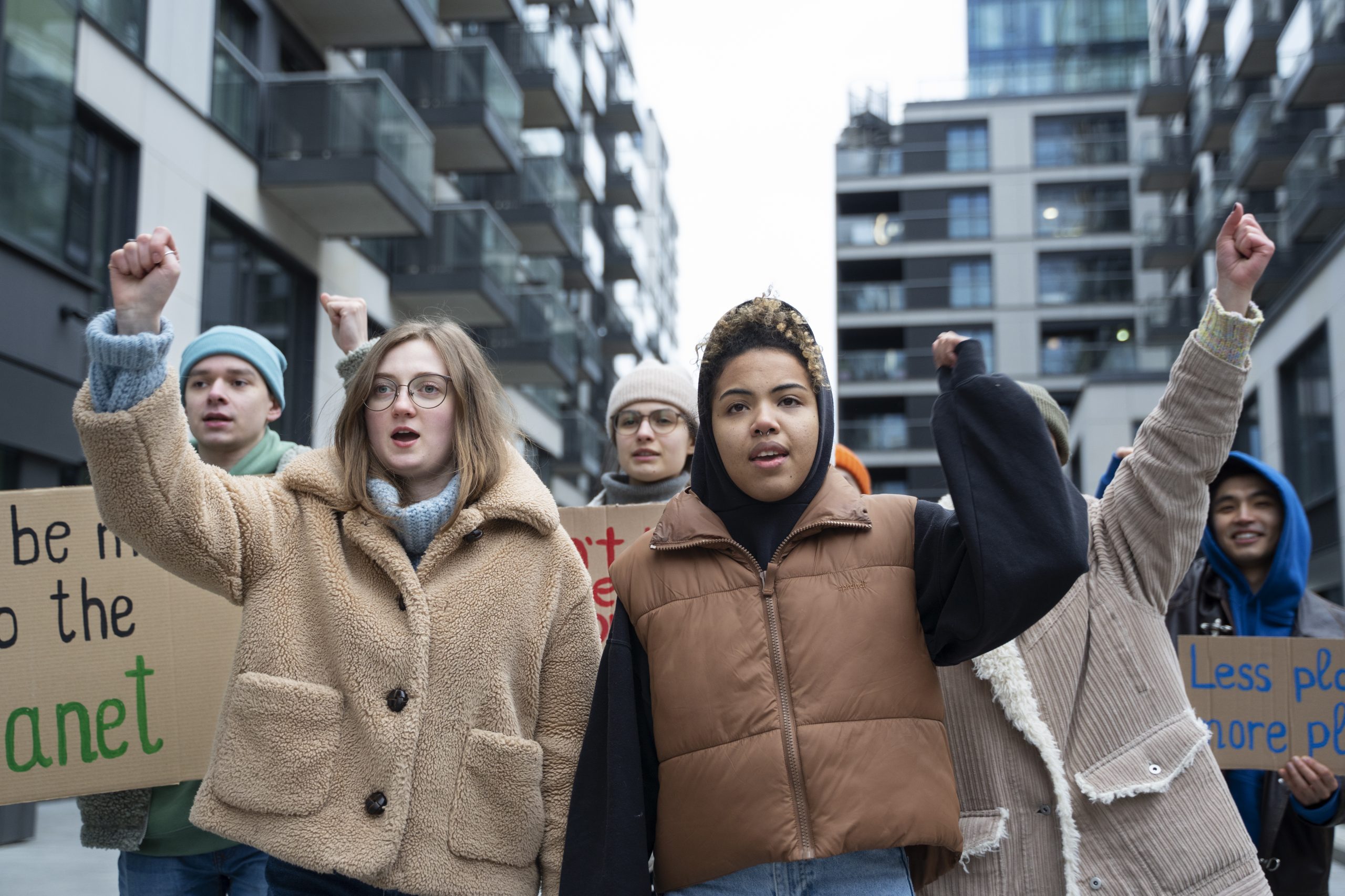
Young people — especially Generation Z — continue to organize major protest movements across Africa, Asia, Europe, and Latin America. Demonstrations target corruption, unemployment, cost of living pressures, and political exclusion, reflecting deep frustration among younger generations.
In several countries, youth-led protests have forced policy responses, though in others they have been met with repression, making young activism one of the defining social forces of recent years.
5. Loneliness, Disinformation, and Social Fragmentation Intensify
Beyond economic and political tensions, global health data shows that one in six people worldwide is affected by loneliness, a trend with wide-ranging effects on both physical and mental health.
Meanwhile, officials and analysts warn that disinformation continues to undermine public debate and trust, particularly in regions facing political instability.
A Turning Point for Global Society
Taken together, these developments illustrate a world grappling with profound social uncertainty. Trust in institutions and in one another is weakening, wealth divides are widening, and younger generations are pushing back against systems they view as unresponsive.
The decisions governments make in 2026 — from taxation reforms to digital policy and social investment — may determine whether societies move toward renewed cohesion or slide into deeper fragmentation.
