

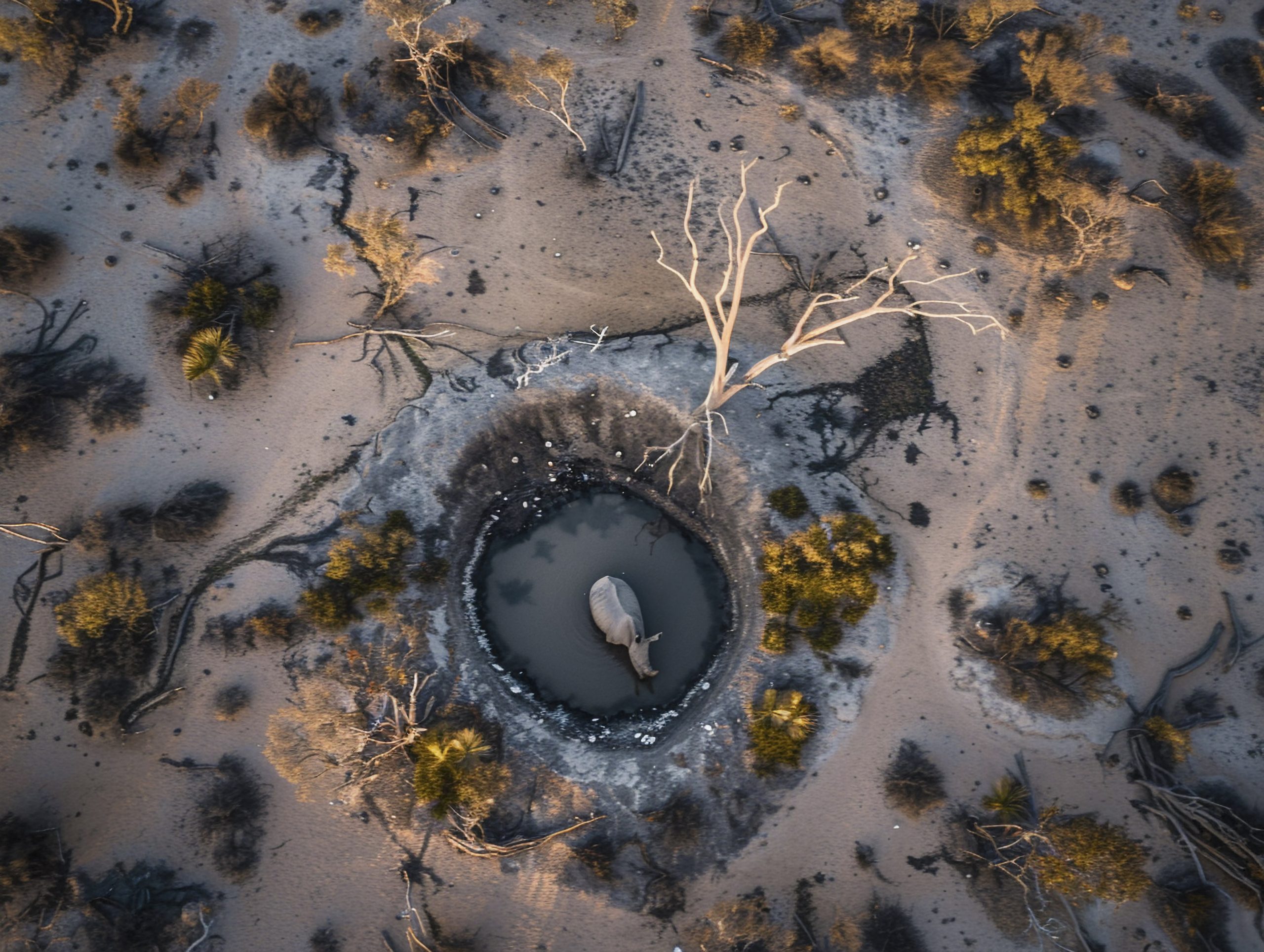
From melting mountain ranges to collapsing river systems and destabilised coastlines, the world’s ecosystems are undergoing profound changes that scientists say are accelerating faster than expected. New research shows that even resilient habitats are reaching their limits as warming intensifies and human development expands.
Mountain Ecosystems Face Irreversible Change
Recent studies supported by the International Centre for Integrated Mountain Development reveal that glaciers in the Himalayas, Andes, and Alps are shrinking at record speeds. These changes threaten both biodiversity and water security for hundreds of millions of people.
Mountain species — once protected by altitude and cooler climates — are now trapped between rising temperatures and limited ability to migrate upward. Researchers warn that some alpine plants and insects may disappear within decades.
Rivers Are Losing Their Natural Rhythms
Around the world, river systems are showing signs of fragmentation. Hydrologists working with the Global Water Partnership report that dam construction, drought cycles, and increased extraction for agriculture are disrupting natural flow regimes.
The decline of freshwater habitats, home to 10% of the planet’s species, is among the most alarming trends. Several once-common fish populations have collapsed, and wetland ecosystems that depend on seasonal flooding are rapidly degrading.
Coastal Habitats Are Becoming Climate Frontlines
Mangrove forests, salt marshes, and coral-rich coastlines — crucial buffers against storms and erosion — are disappearing under rising seas and coastal development. Marine ecologists at the Smithsonian Marine Station note that some coastal ecosystems are shifting so quickly that species cannot adapt.
Mangroves, for example, are moving inland in some regions, but urban development often blocks natural migration pathways, leaving them stranded.
Wildlife Adapts — and Sometimes Fails to Adapt
Animals are changing their behaviours in response to heat, drought, and habitat loss:
- birds altering migration times,
- mammals shifting feeding hours to cooler periods,
- marine species moving toward poles or deeper waters.
But not all species can adjust. Conservationists warn that the “adaptation gap” — the difference between environmental change and biodiversity’s ability to respond — is widening.
Efforts backed by the Wildlife Conservation Society show that fragmented habitats remain one of the biggest obstacles to survival.
Ancient Forests Become Climate Refuge Zones
Old-growth forests — from the Pacific Northwest to Borneo — are becoming critical sanctuaries for climate-stressed wildlife. Their dense canopies, humid microclimates, and genetic diversity offer “last-chance habitats” for species fleeing heat and drought.
Yet logging, mining, and plantation agriculture continue to threaten these landscapes. Scientists stress that preserving intact forests is one of the most effective ways to protect both biodiversity and carbon stores.
Technology Offers New Eyes on Nature
The rapid expansion of ecological technology is transforming conservation work. Drone mapping, acoustic animal monitoring, and environmental DNA (eDNA) detection are enabling researchers to identify species, track illegal activities, and monitor remote habitats at unprecedented scale.
Programs launched with the Rainforest Connection are deploying solar-powered devices that listen for chainsaws and gunshots in real time, helping reduce deforestation in high-risk regions.
A Planet Facing Hard Choices
Scientists warn that the next decade will determine the fate of many ecosystems. While restoration projects are expanding and environmental awareness is growing, global warming continues to accelerate, pushing nature toward irreversible tipping points.
Experts argue that protecting biodiversity now requires not only conservation, but large-scale system change: sustainable agriculture, climate-resilient infrastructure, and a fundamental rethinking of how societies value natural landscapes.
The future of the planet’s wild places, they say, depends on decisions made today.
