

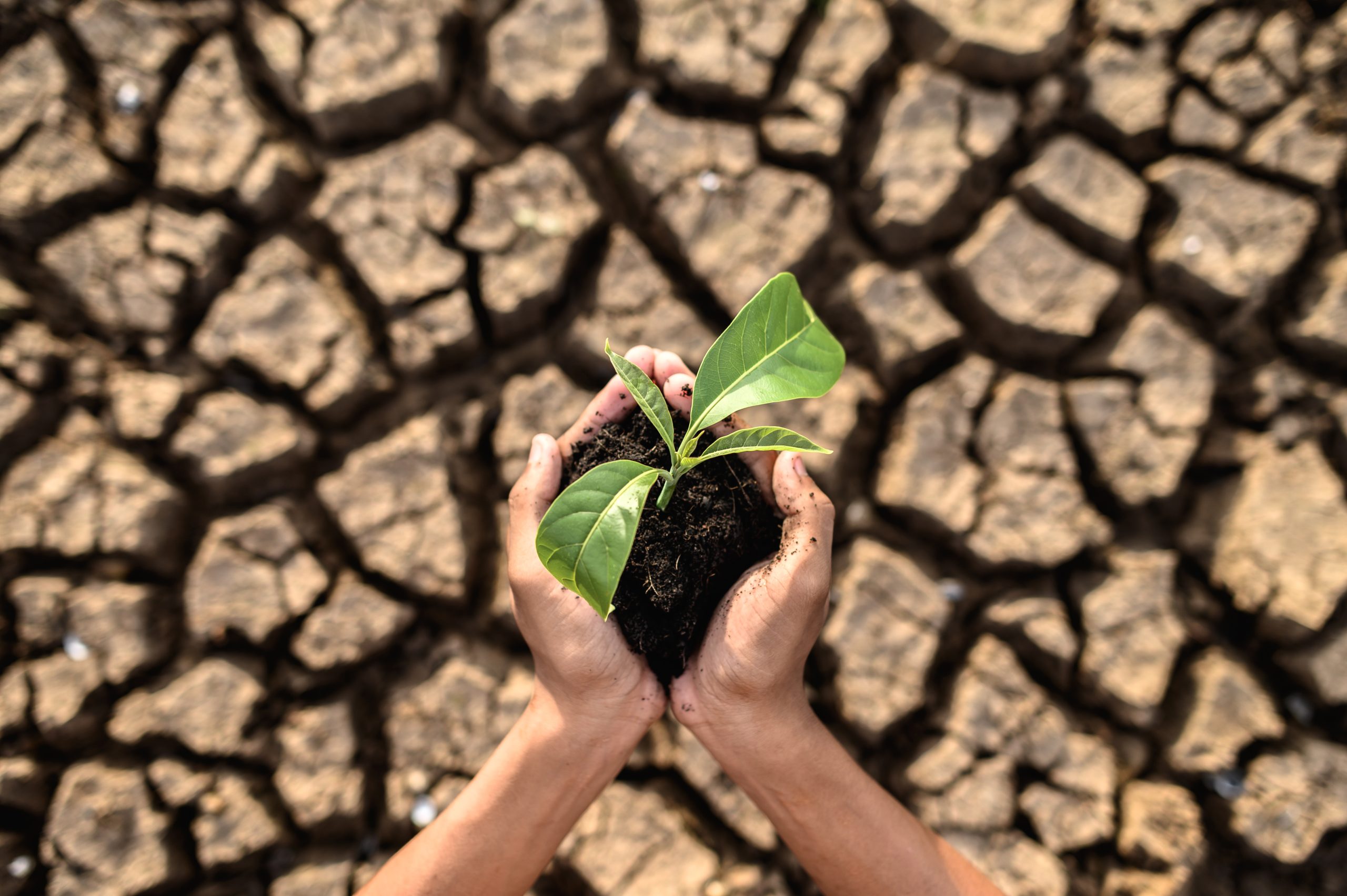
In 2026, the climate crisis is no longer debated in abstract terms. Temperatures are rising, extreme weather events are intensifying, and adaptation budgets are growing. Yet alongside the visible impacts of climate change, another emergency continues to unfold more quietly: the accelerating loss of biodiversity.
Forests are thinning. Coral reefs are bleaching. Insect populations — essential to pollination and food systems — are declining across multiple continents. Scientists describe the situation not as gradual degradation, but as systemic disruption.
The natural world is not only warming. It is shrinking.
A Crisis Beyond Carbon
For years, climate policy has focused primarily on carbon emissions. While decarbonisation remains essential, ecologists warn that biodiversity loss operates on its own timeline and demands distinct solutions.
Habitat destruction, agricultural expansion, pollution and invasive species compound the effects of climate change. Tropical rainforests, often described as the planet’s lungs, continue to face pressure from logging and land conversion. Marine ecosystems struggle under the dual strain of warming waters and overfishing.
The result is a cascade effect. When one species declines, entire ecosystems recalibrate — often unpredictably.
Food Systems at Risk
Biodiversity is not merely aesthetic or symbolic. It underpins global food security.
Pollinators such as bees and butterflies play a crucial role in crop production. Soil organisms maintain fertility. Ocean ecosystems support fisheries that feed billions.
As biodiversity diminishes, agricultural systems become more fragile. Monoculture farming, while efficient, reduces ecological resilience. A single pest or disease can devastate genetically uniform crops.
Some governments are now investing in regenerative agriculture — farming methods designed to restore soil health and increase ecosystem diversity. Yet scaling such approaches requires financial incentives and long-term political commitment.
Oceans at a Tipping Point
Marine environments are particularly vulnerable. Rising ocean temperatures have triggered widespread coral bleaching events. Coral reefs, often called the rainforests of the sea, support approximately a quarter of marine species.
Without intervention, scientists warn that many reefs could face irreversible damage within decades.
International agreements to expand marine protected areas are gaining traction. But enforcement remains inconsistent, and illegal fishing continues to strain fragile ecosystems.
The ocean absorbs a significant portion of global carbon emissions. Its health is inseparable from the climate system itself.
Conservation in a Fragmented World
There are signs of progress. Rewilding projects in Europe have restored native species to landscapes once considered permanently altered. Large-scale tree-planting initiatives aim to sequester carbon while rebuilding habitats. Some endangered species populations have stabilised due to targeted conservation efforts.
But conservation operates within political and economic constraints. Land use decisions intersect with housing needs, energy infrastructure and agricultural output. Protecting nature often competes with short-term economic priorities.
In developing regions, where communities rely directly on natural resources for livelihood, conservation strategies must balance ecological preservation with social equity.
Nature as Infrastructure
A growing movement reframes biodiversity not as luxury, but as infrastructure. Wetlands reduce flood risk. Forests regulate temperature. Mangroves protect coastlines from storm surges.
As climate adaptation becomes central to public policy, investing in natural systems may prove more cost-effective than purely engineered solutions.
The challenge is long-term thinking in short political cycles.
A Defining Decade
Scientists describe the 2020s as a decisive period. The trajectory of biodiversity loss over the next decade will influence ecosystem stability for generations.
The natural world has demonstrated resilience before. Ecosystems can recover — but only within certain thresholds. Cross those limits, and recovery becomes far more difficult.
In 2026, the environmental debate is expanding. It is no longer solely about reducing emissions. It is about redefining humanity’s relationship with nature itself.
The question is not whether economic development and ecological preservation can coexist.
It is whether they can be integrated fast enough to prevent irreversible loss.
