

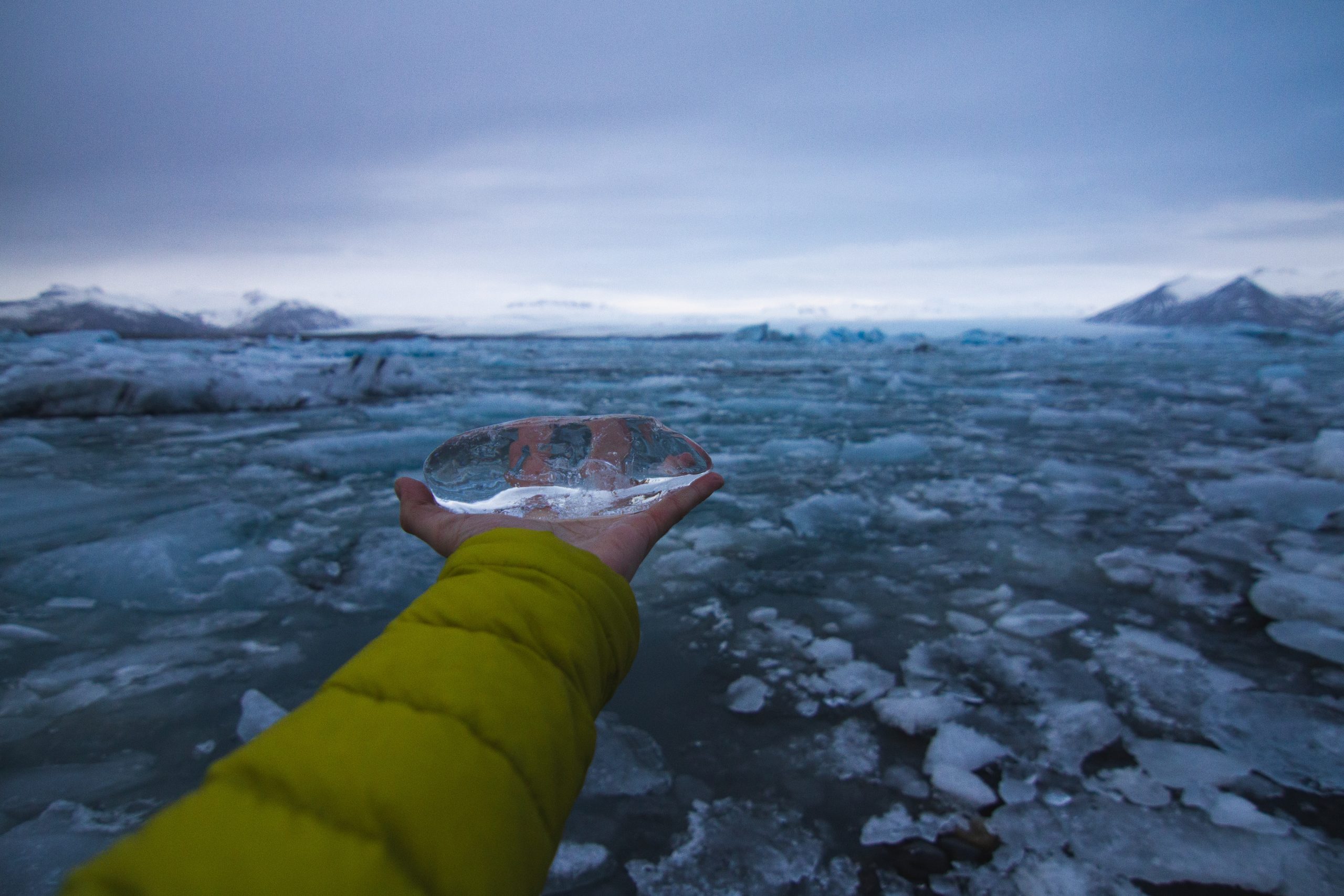
For centuries, the Arctic existed in the global imagination as distant and frozen — a hostile, largely untouched frontier. In 2026, it has become something else entirely: a frontline.
Temperatures in the Arctic continue to rise at roughly four times the global average. Sea ice coverage has declined dramatically compared with late 20th-century levels. Permafrost — once reliably solid — is thawing, destabilising infrastructure and releasing greenhouse gases previously locked underground.
What happens in the Arctic no longer stays there.
The Feedback Loop
The loss of sea ice creates a powerful feedback effect. Ice reflects sunlight; open water absorbs it. As ice retreats, darker ocean surfaces retain more heat, accelerating further melting.
This “albedo effect” is not theoretical — it is measurable. Scientists warn that once certain thresholds are crossed, seasonal sea ice loss could become irreversible on human timescales.
Permafrost thaw adds another layer of risk. Frozen soil in Arctic regions contains vast stores of methane and carbon dioxide. As it thaws, those gases enter the atmosphere, amplifying global warming.
The Arctic is not only a victim of climate change. It is an accelerator.
Communities on Unstable Ground
For Indigenous communities across northern Canada, Alaska and parts of Russia, climate change is not abstract. Coastal erosion threatens villages. Traditional hunting routes are disrupted by unstable ice. Buildings constructed on permafrost tilt as ground softens.
Relocation plans are under discussion in several regions, raising profound cultural and political questions. Moving a community is not simply logistical — it involves identity, heritage and sovereignty.
Climate policy here intersects with Indigenous rights.
A New Geopolitical Theatre
As ice retreats, access expands. Shipping routes such as the Northern Sea Route are becoming seasonally navigable for longer periods. This shortens transit times between Europe and Asia, offering potential economic advantage.
At the same time, Arctic states are increasing military presence and strategic infrastructure. The region’s untapped reserves of oil, gas and rare minerals add to its geopolitical significance.
Environmental vulnerability and economic opportunity coexist uneasily.
Ecosystems Under Stress
Wildlife adapted to stable ice conditions face uncertain futures. Polar bears rely on sea ice for hunting. Walrus populations are crowding onto shrinking coastal haul-outs. Fish migration patterns are shifting as waters warm.
Some species may adapt; others may not. Ecologists warn that Arctic ecosystems are finely balanced, and rapid warming leaves little time for evolutionary adjustment.
The Arctic is often described as a bellwether — a region where environmental change appears first and most dramatically.
Global Consequences
Melting Arctic ice contributes to global sea-level rise, threatening coastal cities thousands of miles away. Changes in Arctic temperature patterns can also influence jet stream behaviour, potentially affecting weather extremes in North America, Europe and Asia.
In this sense, the Arctic is not peripheral. It is systemic.
The transformation underway is not a distant environmental story. It is part of a global climatic reordering.
A Narrowing Window
International climate targets aim to limit warming, but current trajectories suggest continued Arctic loss in the coming decades. Scientists emphasise that every fraction of a degree matters — slower warming reduces the risk of crossing irreversible tipping points.
The Arctic once symbolised permanence. Icebergs and glaciers embodied endurance.
In 2026, that symbolism has shifted. The Arctic now represents fragility — and urgency.
The region’s future will not be decided solely by Arctic nations. It will be shaped by global emissions, energy policy and collective political will.
The far north is melting.
And in doing so, it is revealing how interconnected the planet has always been.
