

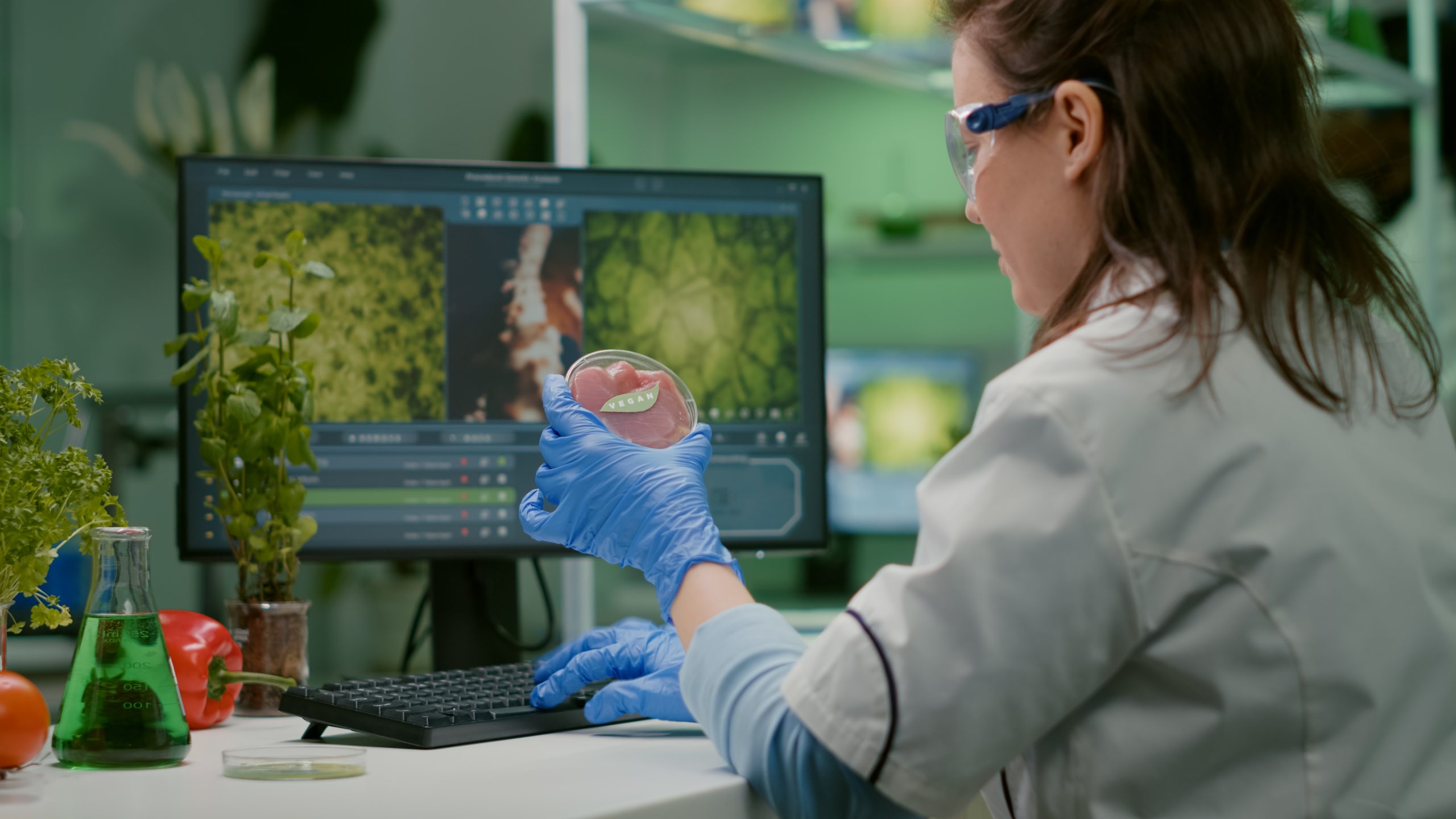
Biotechnology is entering a new phase, as breakthroughs in gene editing and cellular engineering move beyond experimental research into practical applications.
Technologies such as CRISPR have made it possible to edit DNA with unprecedented precision, opening the door to treatments for genetic diseases that were once considered untreatable.
Pharmaceutical and research organisations are now developing therapies aimed at conditions ranging from rare inherited disorders to more common illnesses. Some treatments are already in early stages of clinical use, marking a shift from theory to practice.
At the same time, biotechnology is expanding beyond medicine. Researchers are exploring ways to use engineered organisms in agriculture, environmental protection and industrial processes.
However, the rapid pace of innovation raises ethical and regulatory questions. Modifying genetic material — particularly in ways that could be inherited — remains controversial.
There are also concerns about access. Advanced treatments may be expensive, potentially widening inequalities in healthcare.
Despite these challenges, experts say biotechnology could become one of the most transformative fields of the coming decades.
The key issue will be how societies manage its potential — balancing innovation with ethical responsibility.
