

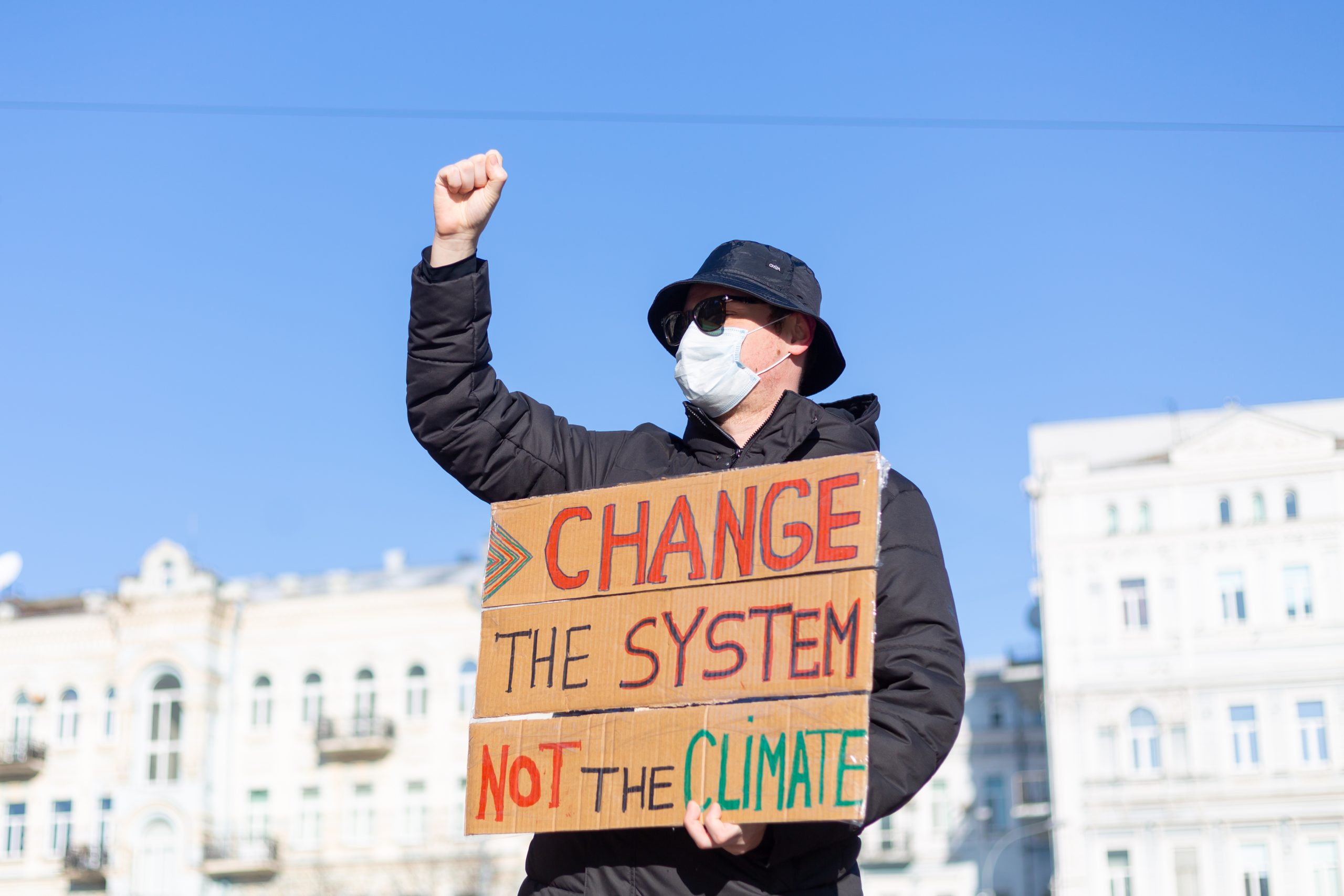
As civil unrest in Iran intensifies in early 2026, critics and world leaders are watching one of the most significant protest movements in years deepen amid increasing government suppression and communication restrictions. Nationwide demonstrations — rooted in economic hardship, political discontent, and rising inequality — have continued for weeks, with authorities imposing heavy internet and telephone blackouts to restrict reporting and organisation among protesters.
Widespread Unrest and Communication Cutoffs
The protests, which began in 2025 over economic pressures such as high inflation and unemployment, have expanded across multiple provinces, drawing tens of thousands into the streets with broader demands for systemic political change. As authorities tightened control over digital communications — including jamming internet connections and limiting access to messaging platforms — independent verification of events has become increasingly difficult.
Observers say these connectivity restrictions are among the most stringent measures implemented to date, effectively silencing large parts of the population and complicating efforts by rights groups to monitor human rights violations. Rights organisations have reported significant casualties and widespread arrests as security forces confront demonstrators.
Domestic and International Responses
Iran’s hardline leadership has framed the protests as attempts to destabilise national unity, while international actors, including governments and human rights groups, have condemned the growing repression. Calls for restraint and respect for fundamental freedoms have echoed from global capitals, even as geopolitical attention remains stretched across other crises such as conflicts in Eastern Europe and the Middle East.
Analysts warn that the protest movement’s persistence into 2026 underscores deep structural challenges within Iran — including economic stagnation, demographic pressures, and political inflexibility — with potential ripple effects on regional stability. As the unrest continues, countries with influence over Tehran have urged de-escalation and dialogue to prevent further bloodshed.
Broader Implications for Global Politics
The Iranian protests intersect with broader world affairs: tensions between Tehran and Western powers remain a flashpoint, and internal instability could influence negotiations on nuclear policy, energy markets, and alliances across the Middle East. Meanwhile, observers see parallels with other global movements where digital blackout tactics are used to suppress dissent, raising questions about human rights, information access, and government authority in the digital age.
As 2026 unfolds, the situation in Iran remains a key focal point for both regional geopolitics and the international human rights agenda.
