

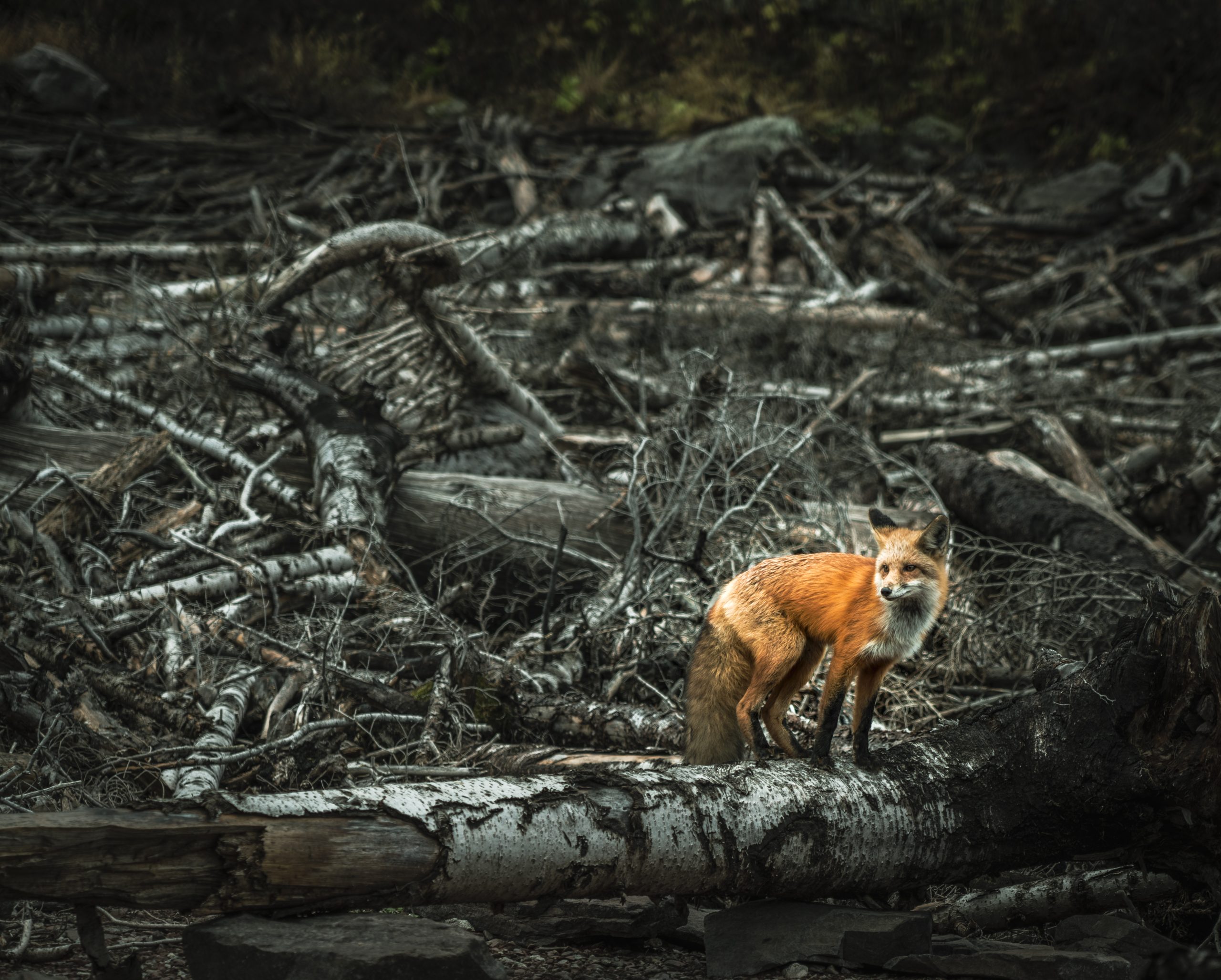
Efforts to protect the natural world are intensifying, yet biodiversity loss continues at an alarming pace, raising concerns among scientists and environmental organisations.
Ecosystems across the planet are under pressure from deforestation, pollution, climate change and expanding human activity. Species extinction rates are now significantly higher than historical averages, according to research supported by organisations such as the International Union for Conservation of Nature.
Forests, oceans and wetlands — all critical to maintaining ecological balance — are experiencing degradation. This not only affects wildlife but also the services these ecosystems provide, including clean air, water and food security.
Governments have committed to international targets aimed at protecting natural habitats, including efforts to conserve 30% of land and oceans by 2030.
However, experts say implementation remains uneven. Protected areas may lack enforcement, funding or local support, limiting their effectiveness.
There is also growing recognition that conservation cannot be separated from economic and social factors. Communities living near natural resources often depend on them for livelihoods, creating tensions between protection and development.
The challenge is not only to halt biodiversity loss, but to restore ecosystems that have already been damaged.
As the pace of environmental change increases, scientists warn that time is becoming a critical factor in preserving the planet’s natural systems.
