

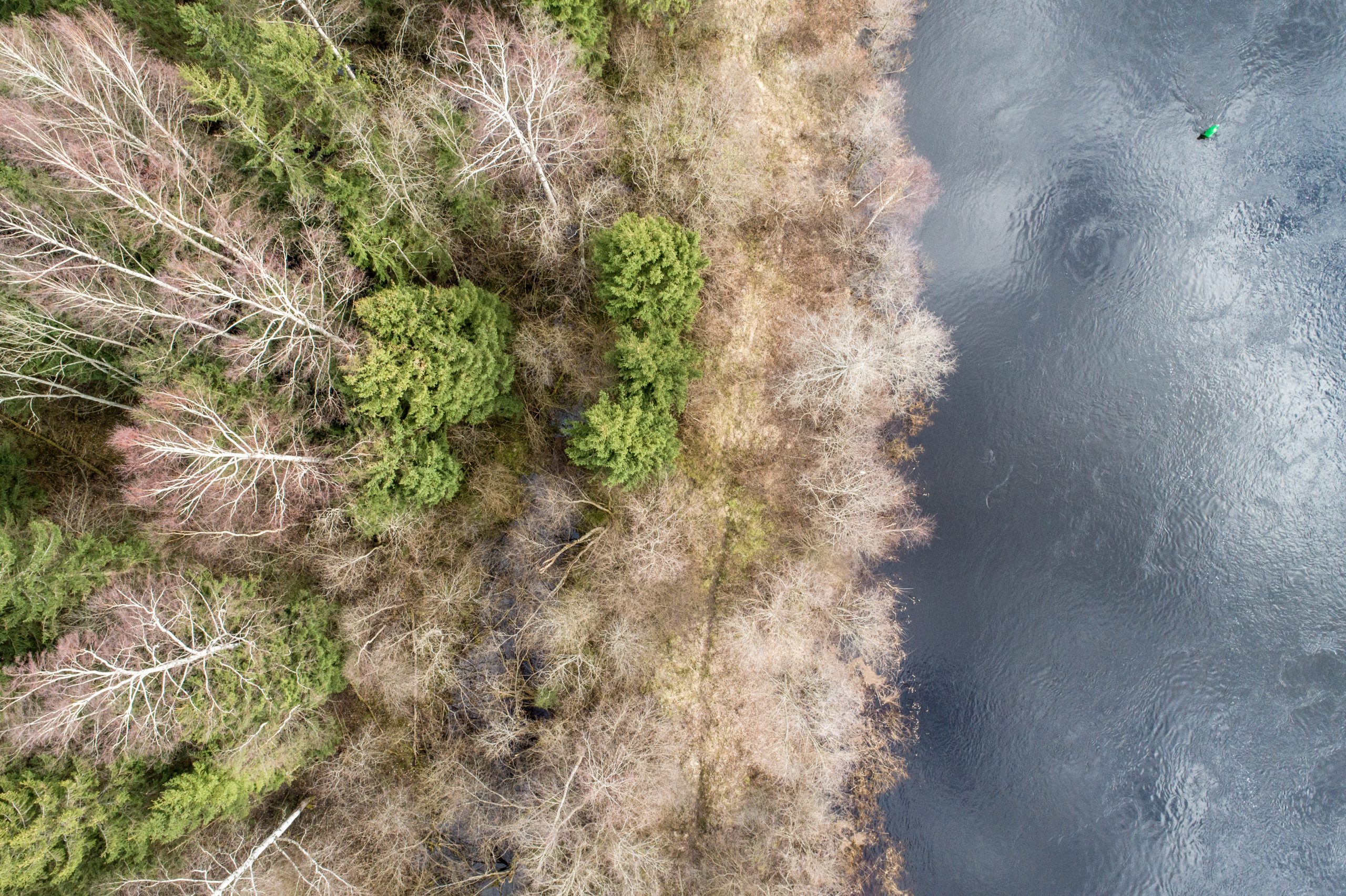
Seasonal cycles — once relatively predictable — are becoming increasingly irregular as climate change alters temperature and weather patterns.
Scientists studying phenology — the timing of natural events such as flowering, migration and breeding — have observed significant shifts in recent decades.
Plants are blooming earlier, animals are migrating at different times and some species are struggling to adapt to the changing rhythm of the seasons.
These disruptions can have cascading effects. For example, if pollinators such as insects emerge at a different time than flowering plants, ecosystems can become unbalanced.
Agriculture is also affected. Farmers rely on seasonal patterns to plan planting and harvesting, and unexpected changes can reduce yields and increase uncertainty.
Researchers warn that these changes are not isolated events but part of a broader transformation of natural systems.
While some species may adapt, others may decline if they cannot adjust quickly enough.
The study of changing seasons highlights a key aspect of climate change: it is not only about rising temperatures, but about the timing and coordination of life itself.
Understanding these shifts will be essential for managing ecosystems and ensuring food security in the future.
