

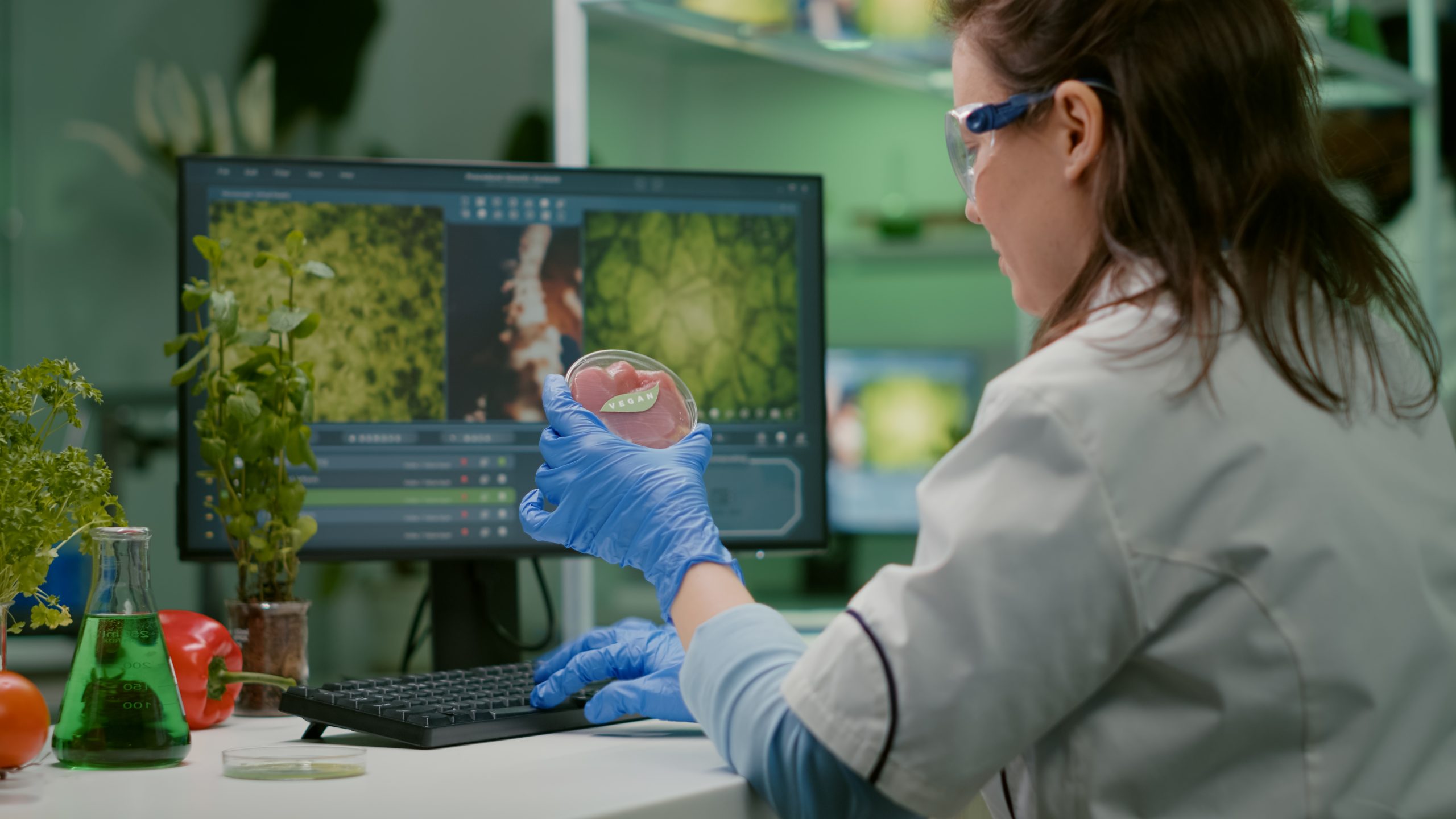
A new wave of innovation is emerging at the intersection of biology and industry. Instead of relying only on mines, oil or conventional chemical plants, manufacturers are increasingly exploring how living systems can produce valuable materials.
Synthetic biology uses engineered cells or microbes to create products such as medicines, fuels, food ingredients and industrial chemicals. In effect, organisms become programmable factories.
Companies and research institutions are investing heavily in this field, seeing potential to reduce waste, lower emissions and create more flexible supply chains.
The appeal is clear. Biological processes often operate at lower temperatures and with fewer toxic inputs than traditional manufacturing methods.
However, scaling remains a major challenge. What works in the laboratory can be difficult and expensive to reproduce at industrial volumes.
There are also regulatory and ethical questions, particularly around containment, safety and the ownership of biological technologies.
Experts say the long-term impact could be substantial if production costs fall and reliability improves.
The future of manufacturing may depend not only on machines and metals, but on cells and code.
