

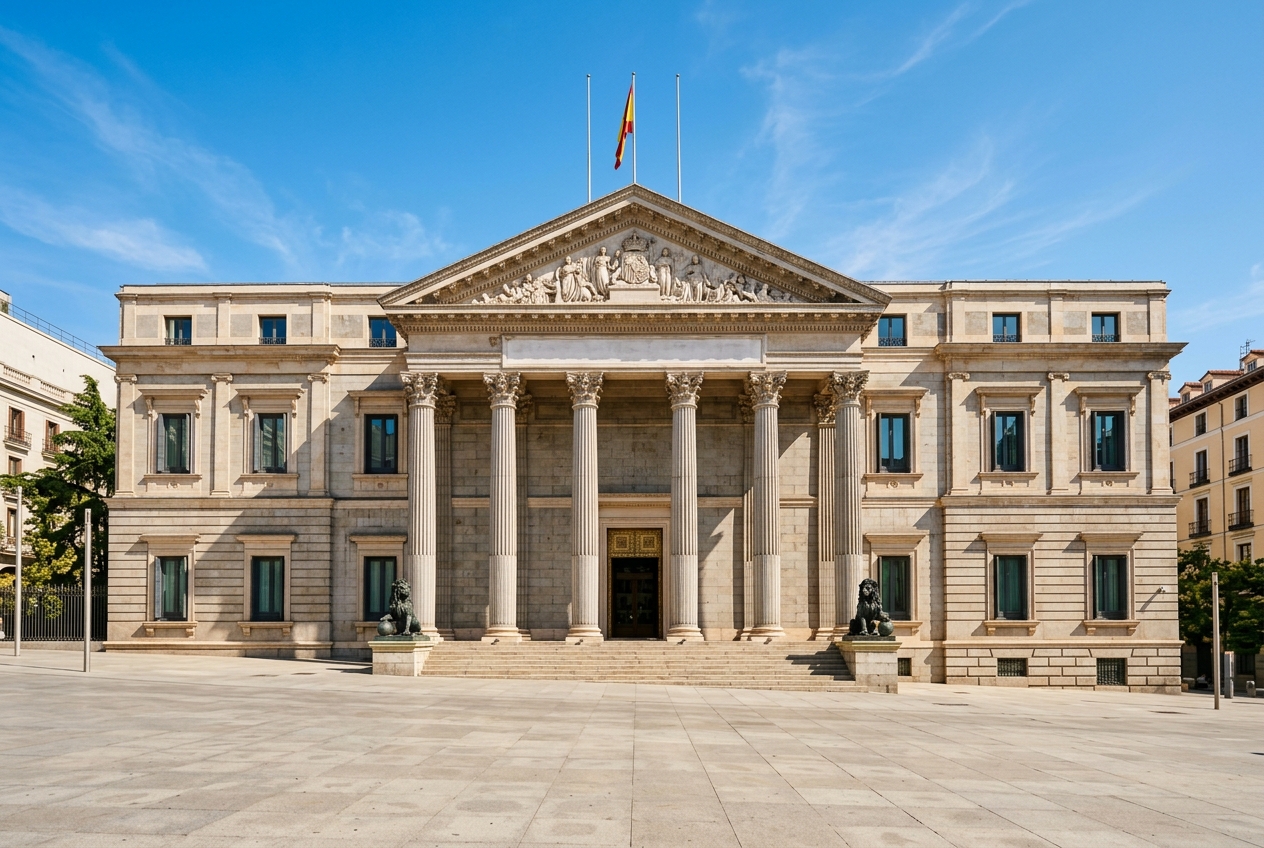
Spanish Prime Minister Pedro Sánchez has announced a snap general election to be held on 29 November. The decision follows legislative defeats in parliament, where the minority government failed to pass key measures designed to tackle Spain’s housing crisis.
Speculation regarding an early vote grew over the weekend after parliament rejected two decree laws introduced by the left-wing coalition government. The proposed laws aimed to offer greater protections to tenants in the rental market. Sánchez, who has led the country since June 2018, stated in a televised address on Monday that a broader progressive majority is necessary to enact these reforms and overcome opposition.
Housing Protests and Legislative Defeat
Public pressure regarding housing access intensified after the eviction of 87-year-old Maricarmen Abascal from her Madrid home on 23 September. Abascal was forced out on a stretcher and hospitalized after her rent was sharply increased beyond her monthly pension. The event sparked widespread public anger and led to large-scale protests over the weekend, with tens of thousands of demonstrators taking to the streets in Madrid, Barcelona, and Valencia.
In response to the outcry, the government proposed two emergency decrees. The first aimed to suspend evictions for vulnerable tenants until 2030, extend expiring leases, tax tourist apartments, and restrict residential property purchases by investment funds. The second, more controversial decree proposed the automatic renewal of rental contracts. However, right-wing opposition parties blocked the measures, arguing that market interventions would reduce the supply of rental properties and further increase prices.
Political Landscape and Challenges
Spain was not scheduled to hold a general election until the summer of 2027. Sánchez’s current coalition, which comprises his Socialist party and the junior Sumar alliance, does not hold a legislative majority and has relied on the support of regional Basque and Catalan nationalist groups since the inconclusive 2023 election.
In addition to housing difficulties, Sánchez’s administration has faced pressure over rising living costs, immigration, and several high-profile corruption investigations. These include charges filed against his wife, Begoña Gómez, a police raid on the Socialist party headquarters, and the recent imprisonment of former transport minister José Luis Ábalos.
Following the election announcement, Alberto Núñez Feijóo, leader of the conservative People’s Party, welcomed the vote as an opportunity for voters to choose political change. Current opinion polls indicate that the People’s Party is likely to secure the most seats in the upcoming vote, though they may require the support of the hard-right Vox party to form a government.
Source: BBC News
