

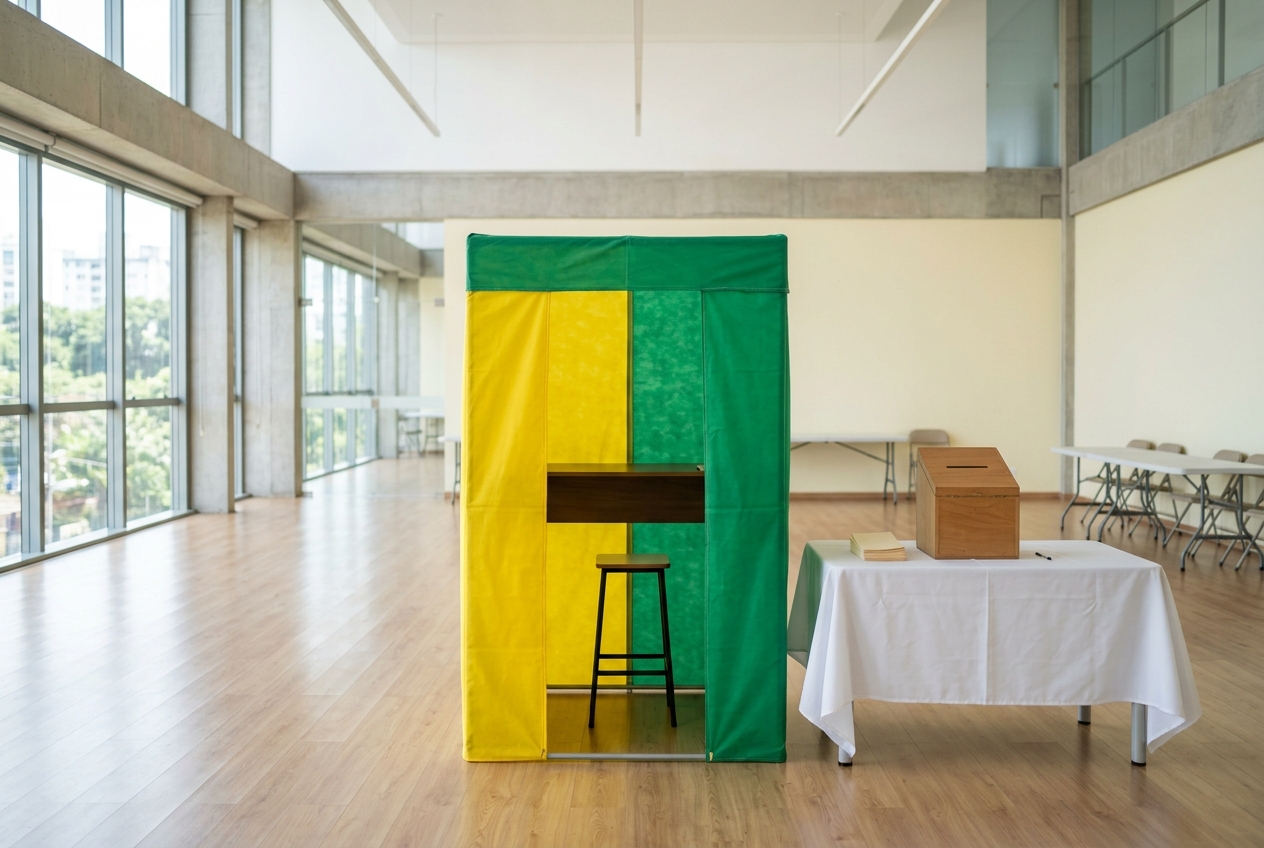
Brazil is preparing for a second-round presidential run-off on 25 October after right-wing candidate Flávio Bolsonaro won the first round of the election but fell short of an outright majority. In Sunday’s vote, Bolsonaro outperformed campaign expectations by securing 47.03% of the vote, ahead of left-wing incumbent President Luiz Inácio Lula da Silva, who received 45.16% with nearly all votes counted.
The result marks a strong showing for Bolsonaro’s Liberal Party (PL), which also saw the highest number of governors, senators, and federal deputies elected, positioning the party to hold significant influence in Congress. Flávio Bolsonaro, the 45-year-old eldest son of former president Jair Bolsonaro, expressed optimism about the upcoming run-off, stating he was pleased with the prospect of leading a modern government. Meanwhile, the 80-year-old President Lula admitted the first-round outcome was unexpected but maintained that his campaign would secure a victory in the next phase of the election.
Key Campaign Issues and Political Context
The presidential campaign has deeply polarised Brazil, with public focus heavily directed toward the economy, crime, corruption, and national sovereignty. Lula, who is seeking a fourth non-consecutive term, remains highly popular among lower-income voters, women, Catholics, and residents in Brazil’s poorer northeast region. His policy platform emphasises social welfare initiatives, such as the Bolsa Família programme, alongside investments in education and environmental protections in the Amazon. On economic matters, Flávio Bolsonaro has proposed government spending cuts, a public debt ceiling, revisions to welfare programmes, and a focus on the critical minerals sector.
Security policies have also highlighted distinct approaches between the two candidates. Bolsonaro has pledged to designate Brazilian gangs as terrorist groups and establish maximum-security prisons, echoing measures used in El Salvador. In contrast, Lula has focused on targeting the financial networks of organised crime, enhancing homicide investigations, and improving prison infrastructure.
Alliances and Corruption Scandals
The election holds wider international implications, as a victory for Bolsonaro could align Brazil, Latin America’s largest economy, more closely with the United States under the „Shield of Americas” anti-drug coalition. During his campaign, Lula raised concerns over sovereignty and accused the US of attempting to influence Brazil’s election, an allegation the US denied. The head of Brazil’s supreme electoral court stated on Sunday that no evidence of international interference had been detected.
Corruption also emerged as a prominent campaign issue following a financial fraud scandal involving a jailed banker, Daniel Vorcaro. The scandal touched figures across the political spectrum, including Bolsonaro, who acknowledged asking Vorcaro to fund a biographical film about his father after audio recordings surfaced. The scandal also indirectly affected allies of Lula, though the principal figures involved have denied any wrongdoing.
As the final campaign begins ahead of the late October run-off, voters will decide between two sharply contrasting visions for Brazil’s political and economic future.
Source: BBC News
