

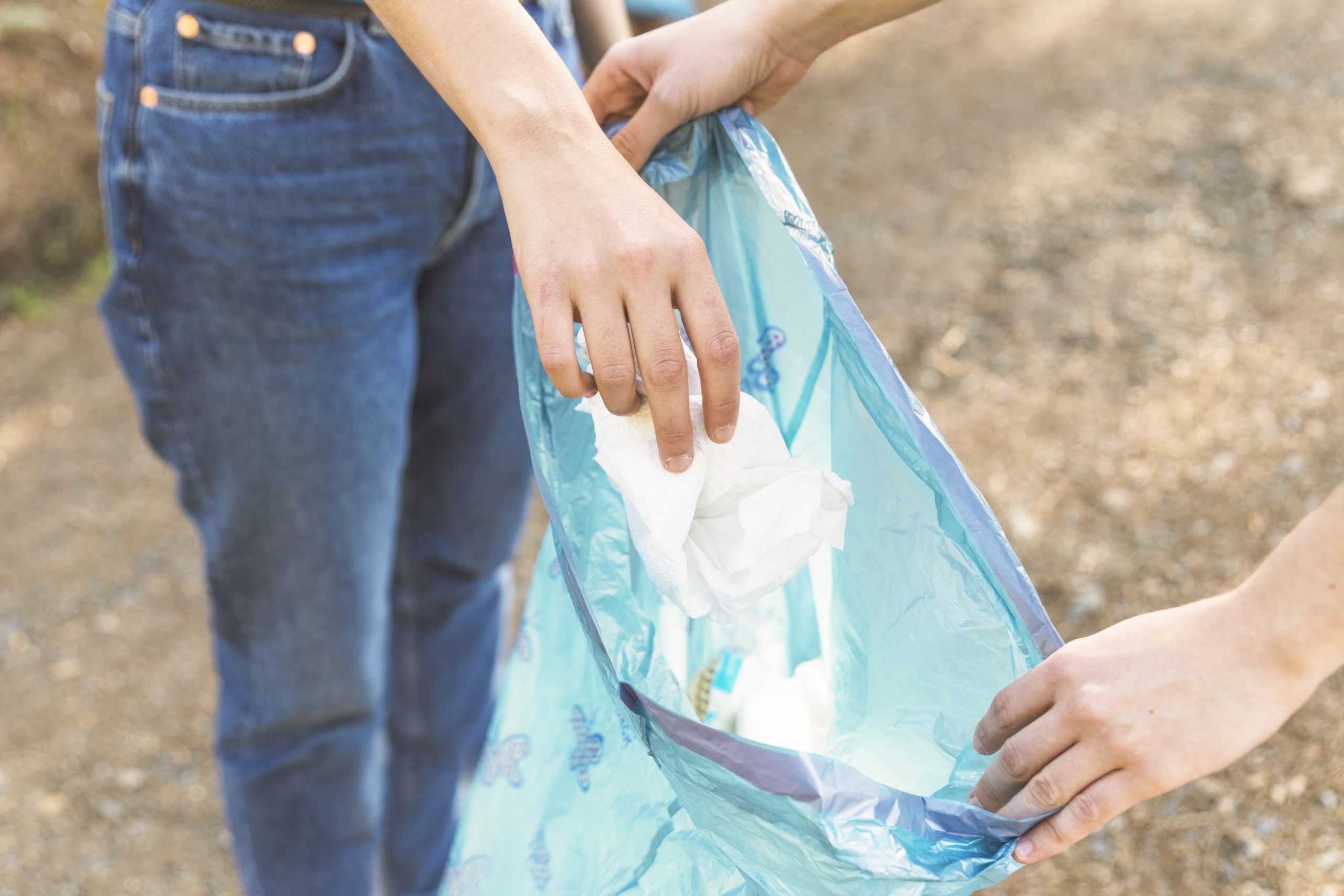
Environmental organisations have described the government’s decision as overdue but meaningful progress. Chris Coode, CEO of the environmental charity Thames21, called the announcement “fantastic news” and praised the volunteers who have removed thousands of wet wipes from the banks of the River Thames. However, he stressed that the work cannot stop here, urging both government and industry to pursue broader, systemic solutions to prevent plastics from entering the environment in the first place.
While many campaigners support the ban, some argue that it should come into force earlier than 2027, especially since plastic-free alternatives are already widely available. Others caution that focusing solely on wipes containing plastic could confuse consumers and miss an opportunity to reduce the overall environmental impact of disposable wipes. Under the new rules, only plastic-containing wipes will be prohibited, meaning manufacturers must still improve labelling to ensure disposal instructions are clear and consistent.
Water Minister Emma Hardy has written to manufacturers, urging them to strengthen on-pack guidance so that consumers understand wet wipes should always be placed in the bin rather than flushed — even when labelled “flushable.”
Retailers say the new law will create fairer conditions across the industry. Steve Ager, an executive at Boots, noted that the company had already removed plastic wipes from its shelves, saying that “healthy communities need a healthy planet.” He added that a nationwide ban would have a far greater impact than individual retailers acting alone.
