

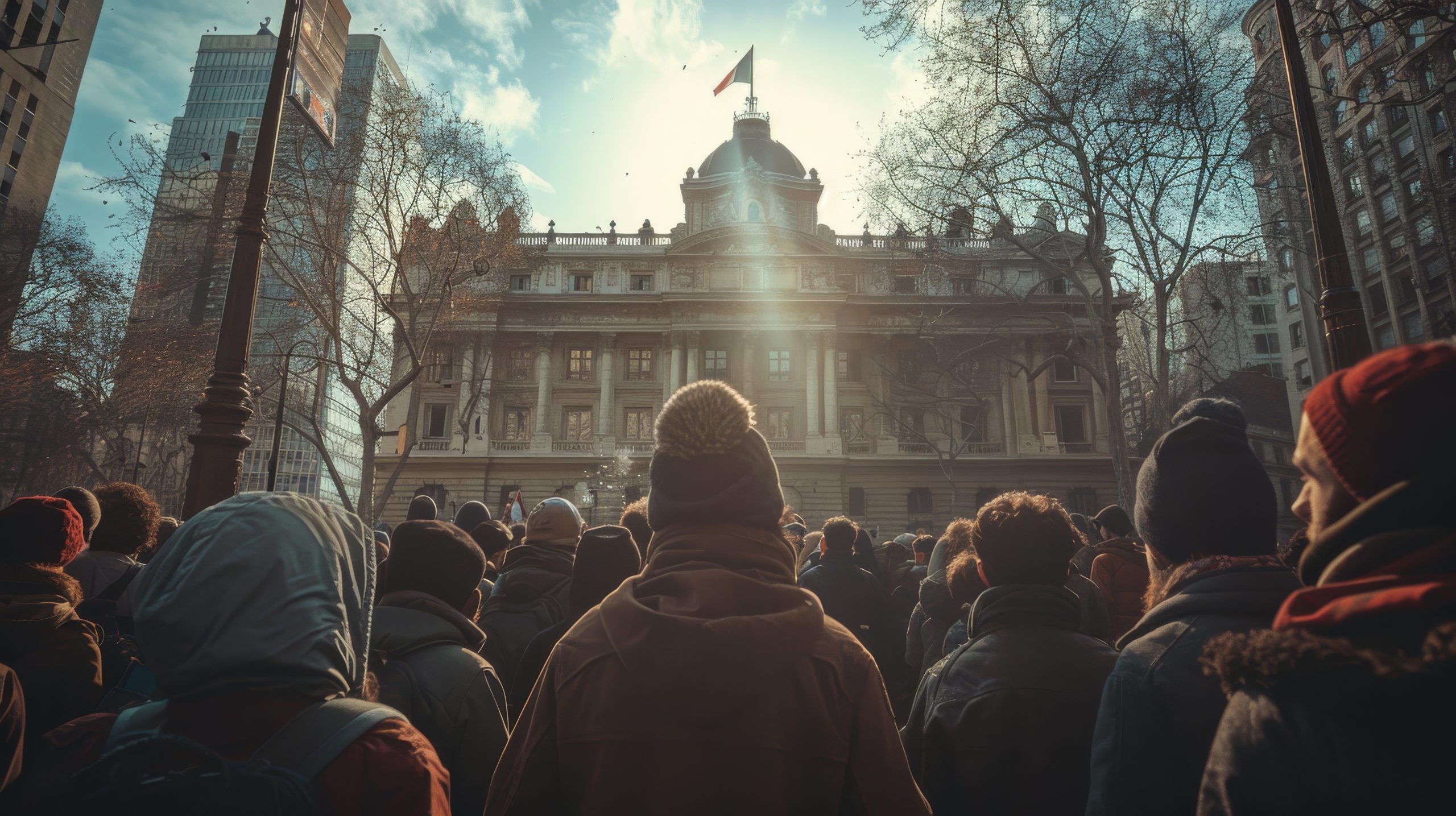
The Memory Gap: How Paris Commemorates Terrorist Attacks from 1974 to 2015
Since 1974, nearly 150 terrorist attacks have occurred in or originated from Paris, a city forever marked by violence and resilience. Among the most prominent are the bombings of the Copernic Street Synagogue in 1980, the Jo Goldenberg restaurant in 1982, and the bombings of the RER B commuter trains in 1995 and 1996. Yet despite the staggering number of incidents, only a small fraction of these attacks are formally commemorated in Paris. Why, in a city so deeply affected by terrorism, do so many of these events fade into oblivion?
The question of memory — or its absence — lies at the heart of Paris’s approach to acknowledging its troubled history of terrorism. Commemorative plaques, memorial gardens, and institutional efforts to remember the past have been central to the city’s public remembrance practices. However, as evidenced by the stark contrast between well-established memorials and forgotten acts of violence, it’s clear that the city’s commemoration practices are selective.
The Plaques and Memorials: Commemorating the Deadliest
Paris now has over 15 plaques scattered across seven arrondissements, commemorating terrorist attacks and their victims. These plaques are often found at the sites of the most devastating events: the attack on the Copernic Street Synagogue in 1980, the Jo Goldenberg restaurant in 1982, and the Tati store bombing on rue de Rennes in 1986. More recent attacks — such as those in 2015 and 2017 — also feature prominently in the city’s commemorative landscape. These are among the most deadly attacks in Paris’s modern history, and they have left lasting marks on both the public consciousness and the urban fabric.
However, while the number of plaques has grown, they still represent only a small fraction of the attacks that have rocked the city. Many terrorist acts, particularly those with fewer casualties, remain invisible in the public space. The attack on the Drugstore Publicis in 1974, which is considered the starting point of modern terrorism in Paris, killed two people and injured thirty-four. Yet, despite being a landmark event, it is not commemorated with a plaque, and most people passing through the busy Saint-Germain-des-Prés area are unaware of its significance.
The 2015 Attacks: A Turning Point in Public Remembrance
The terrorist attacks of November 13, 2015, marked a turning point in how Paris confronts its violent history. On that fateful night, coordinated bombings and shootings targeted several locations across the city, including the Bataclan concert hall, cafés, and the Stade de France stadium. With over 130 dead and hundreds more wounded, the attacks shook France and the world, leaving a deep emotional scar.
In the wake of the attacks, the city’s approach to remembrance has undergone a transformation. New memorials and plaques have been installed at key locations, and a public garden in tribute to the victims was inaugurated in 2025 in the Saint-Gervais Square, just behind City Hall. This garden, more than just a symbolic tribute, represents a new era of urban memory — one that integrates commemoration with the daily lives of Parisians.
Additionally, exhibitions dedicated to the attacks have been mounted at institutions like the Musée Carnavalet, providing a space for collective mourning and reflection. These efforts stand in stark contrast to the lack of public memory for earlier incidents, highlighting the inconsistency of Paris’s commemorative practices.
Memory and Oblivion: A Selective Narrative
The question of why some attacks are commemorated while others are forgotten is rooted in several complex factors. First, there is a clear bias toward commemorating the deadliest events. Attacks that result in high casualties, such as the 2015 massacre or the 1980 synagogue bombing, are more likely to be memorialized, while smaller or failed attacks fade from public consciousness. This selectivity reflects both a natural human tendency to focus on the most tragic and a political decision about which memories should be preserved in the city’s public spaces.
Further complicating the issue is the incomplete representation of terrorism in Paris’s commemorative landscape. Nearly all the plaques commemorate attacks carried out by Islamist organizations, with references to terrorist acts claimed by groups like al-Qaeda, Daesh, and the Armed Islamic Group (GIA). While these attacks have undeniably shaped Parisian history, the city’s public memory largely ignores other forms of terrorism, such as the extreme left-wing and far-right terrorism that plagued France in the 1970s and 1980s.
One notable example is the 1983 attack by the far-right group Action Directe at the Le Grand Véfour restaurant, which left Françoise Rudetzki seriously injured. Despite the significant impact of the attack and the role Rudetzki played in founding the victim’s support organization SOS Attentats, there is no plaque to commemorate the event at the restaurant’s location. Similarly, the far-left terrorist group Action Directe carried out a series of bombings in the 1980s, but these attacks remain absent from the public’s view.
The absence of these plaques reflects a broader tendency to focus on certain narratives while neglecting others. This selective memory is not only a question of space or resources but is also deeply political, revealing the ways in which certain forms of violence are remembered while others are quietly erased.
The Politics of Commemoration: Whose Memory Gets Preserved?
The politics of memory in Paris are complex. Commemorative plaques are not simply passive markers of history; they are active sites of political struggle. Who decides what gets commemorated, and why? The focus on Islamist terrorism, for example, reflects a contemporary global context, where the threat of extremism is a pressing concern. Yet this focus can obscure the broader picture of terrorism, one that includes various political ideologies, each contributing to the city’s fraught history.
Moreover, the absence of detailed explanations on many of the plaques — which merely reference “victims of terrorism” or “acts of terrorism” — leaves the underlying motivations of the attackers unexplored. Only a few plaques, such as those commemorating the 1982 attack on the kosher restaurant Jo Goldenberg, mention the antisemitic nature of the attack, offering a glimpse into the complex dynamics that underpin the violence.
The Future of Memory: A New Form of Commemoration
As Paris continues to reckon with its past, the city’s approach to memory is evolving. The new memorial garden in Saint-Gervais Square represents a more integrated form of commemoration — one that invites the public to engage with history not as passive observers but as active participants in preserving memory.
This evolving form of remembrance challenges us to rethink the ways we commemorate traumatic events. By incorporating spaces of public reflection, such as gardens and museums, Paris is creating new opportunities for its residents to engage with the past in meaningful ways. At the same time, the city’s ongoing struggles with selective memory and the politics of commemoration serve as a reminder that the past is never fully settled and that the act of remembering is always a work in progress.
Conclusion
Paris’s struggle with the remembrance of terrorism is a microcosm of broader societal challenges related to memory and forgetting. While the city has made strides in commemorating its darkest moments, significant gaps remain. The challenge of balancing collective memory with the realities of urban life, political priorities, and historical narratives will continue to shape how Paris remembers — and forgets — its violent past.
