

Technology is moving forward faster than at any other point in human history, and its impact on society is becoming impossible to ignore. What once seemed like science fiction is gradually entering our everyday lives, reshaping industries, communication, and even the way we understand the world. As we look to the future, several emerging innovations stand out as the forces that will define the next generation.
Artificial intelligence is at the forefront of this transformation. No longer limited to simple tasks, AI is evolving into a sophisticated system capable of learning, adapting, and making decisions in real time. Over the coming years, it is expected to become deeply integrated into sectors such as healthcare, where advanced algorithms will diagnose illnesses earlier than doctors, and business, where intelligent systems will anticipate trends and streamline operations. AI will not replace human thinking, but it will become a powerful partner that enhances our abilities and expands what is possible.
Another major shift will come from quantum computing—an innovation still in its early stages, yet already proving its disruptive potential. Unlike traditional computers, quantum machines operate on entirely new physical principles, allowing them to perform calculations that would take conventional systems centuries to complete. This leap in performance could revolutionize scientific research, unlock new materials, accelerate drug discovery, and reshape cybersecurity. Although quantum computing remains highly complex, its long-term impact may rival the invention of the internet.
Technology will also transform the very spaces in which we live. Cities of the future will rely on interconnected systems that gather data and respond automatically to changing conditions. Smart traffic networks will reduce congestion, intelligent energy grids will cut waste, and public services will operate more efficiently. In our homes, devices will communicate seamlessly, adjusting lighting, temperature, and security based on our routines. This interconnected environment, powered by the Internet of Things, promises a lifestyle that is both convenient and more sustainable.
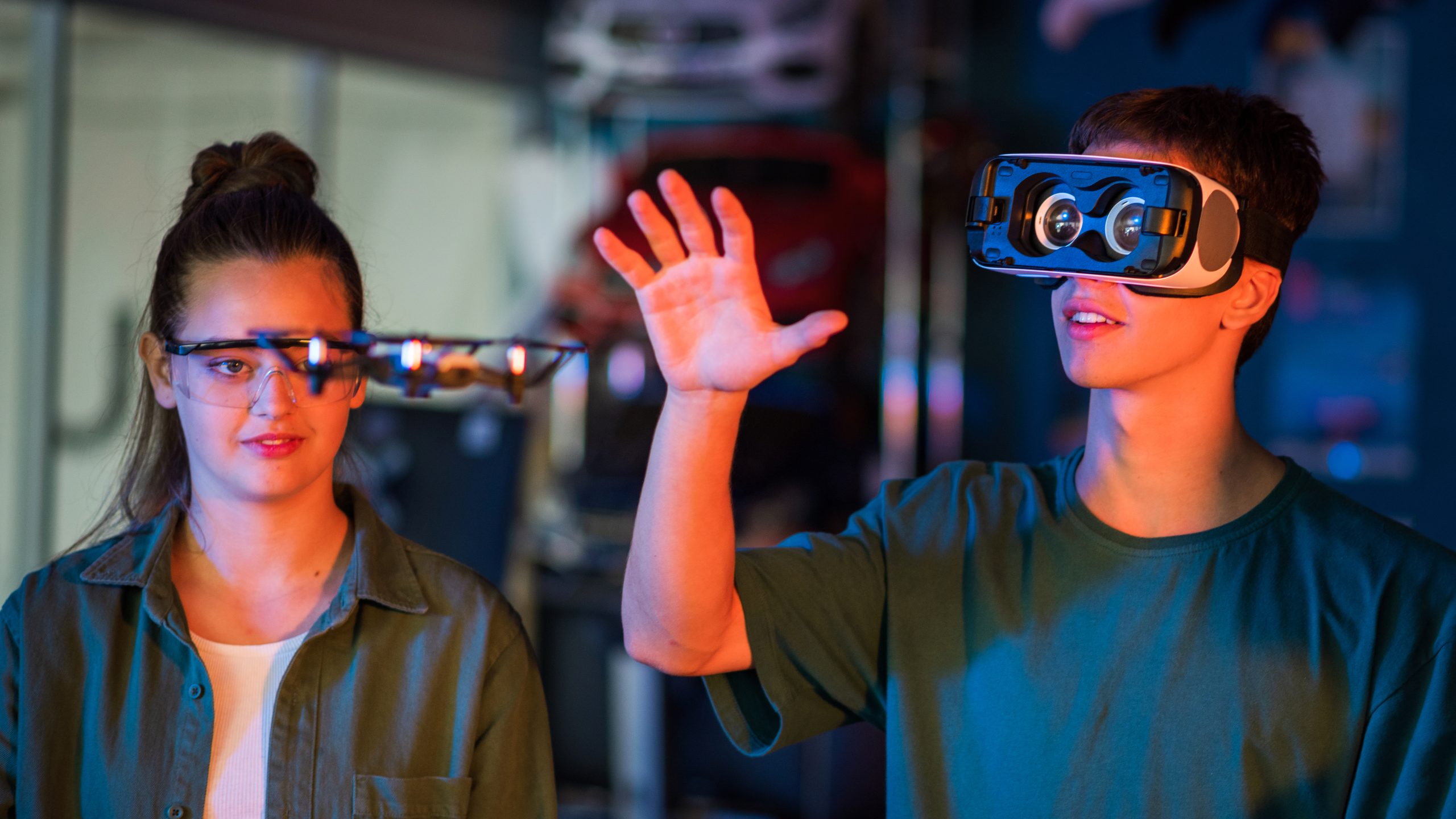
Alongside these changes, immersive digital experiences will become increasingly common. Virtual and augmented reality will merge the physical and digital worlds, reshaping entertainment, education, and professional training. Students may explore historical events through interactive simulations, while surgeons practice complex procedures in virtual environments before entering the operating room. As hardware becomes more accessible, these technologies will shift from novelty to necessity.
However, the rise of advanced technologies also brings challenges. Questions of privacy, data protection, and ethical use will become more urgent. Societies will need to adapt laws, education systems, and professional skills to keep pace with innovation. Technology can empower humanity—but only if it is guided responsibly.
The future of technology is not defined by one breakthrough, but by the convergence of many. Artificial intelligence, quantum computing, smart infrastructure, and immersive digital tools are all moving forward simultaneously, creating a future that is more connected, more efficient, and more intelligent than anything we have experienced before. What remains certain is that the next chapter of technological evolution will not simply change our world—it will redefine it.
