


The global technology landscape is entering a defining phase as governments move to establish stricter rules surrounding the development and deployment of artificial intelligence, while companies simultaneously push innovation in semiconductors, quantum computing, and next-generation connectivity.
In the European Union, policymakers are finalising the AI Act, a landmark regulatory framework intended to classify AI systems by risk level and impose mandatory transparency for high-impact models. Early drafts of the legislation indicate stringent requirements for companies operating in sectors such as healthcare, law enforcement, and critical infrastructure. Analysts suggest the rules could serve as a template for other regions as concerns over algorithmic bias, misinformation, and data security continue to grow.
Meanwhile, in the United States, lawmakers are debating potential federal standards after several states introduced their own AI-specific bills. Technology firms have called for a unified national framework, arguing that fragmented rules may slow research and inflate compliance costs.
Quantum Computing Moves Closer to Practical Use


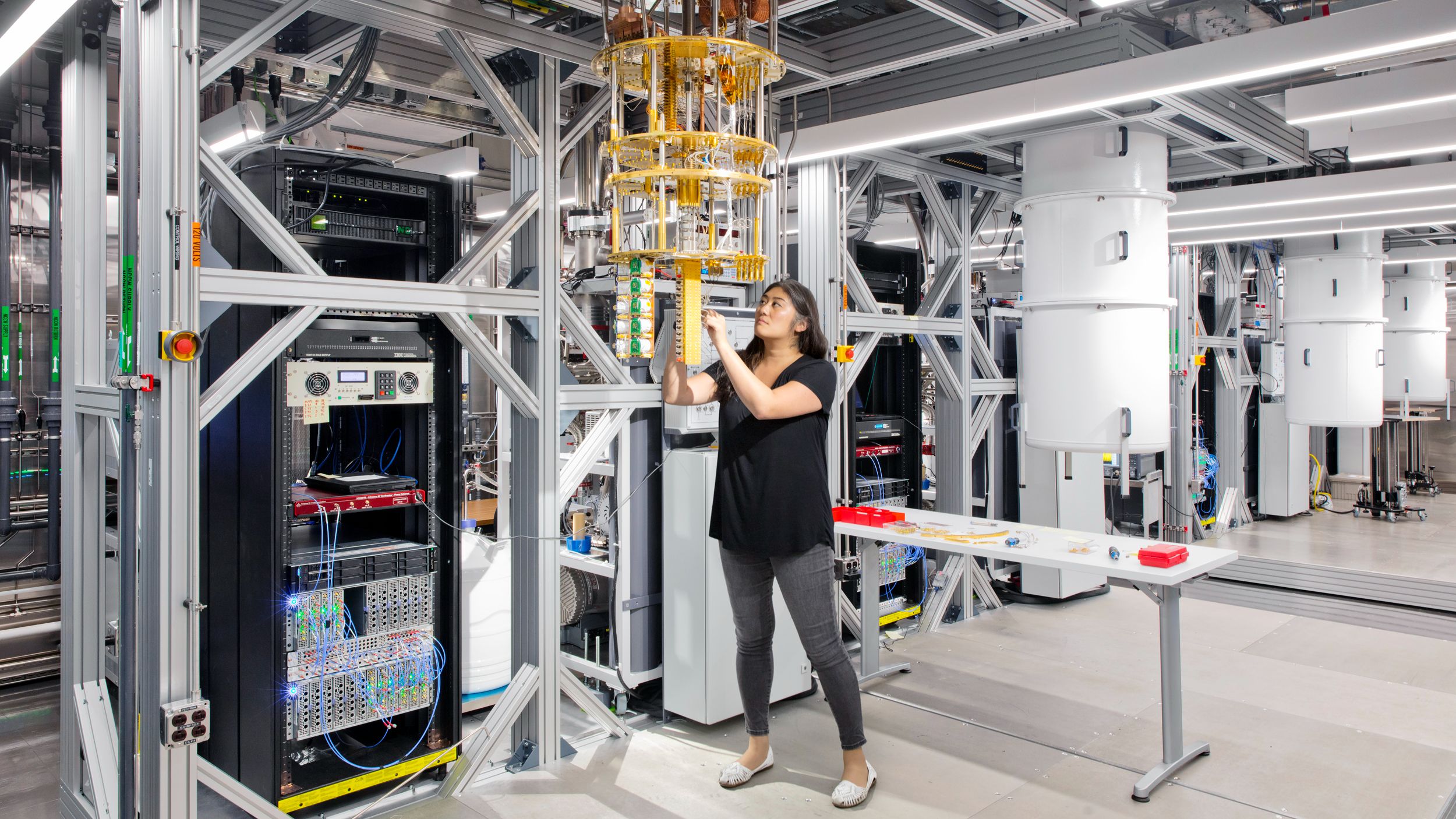
Major tech companies, including IBM and Google, reported advances in quantum hardware over recent months. New prototypes demonstrate more stable qubits and reduced error rates — two of the biggest obstacles standing between current experimental machines and commercially viable quantum computing.
Industry experts caution that meaningful real-world applications may still be years away, but progress has intensified competition among global research labs, as nations recognize that quantum breakthroughs could transform fields from cryptography to pharmaceutical development.
Semiconductor Supply Chain Stabilizes, but Geopolitical Risks Remain
Production of advanced chips is slowly recovering after several years of shortages. TSMC and Samsung Electronics have expanded capacity in Asia, while the European Commission and the US Department of Commerce are investing billions in domestic manufacturing to reduce reliance on overseas suppliers.
However, geopolitical tensions — especially around the Taiwan Strait — continue to pose potential risks. Analysts warn that any disruption could impact global production timelines across consumer electronics, automotive technology, and cloud computing.
5G and Edge Computing Transform Industry Applications
Telecommunications companies in regions including South Korea, Japan, and parts of Germany report rapid adoption of industrial-grade 5G networks. Manufacturers are deploying edge-connected sensors to streamline operations, reduce energy use, and support autonomous machinery on the factory floor.
Experts say that as 5G coverage expands, the technology will underpin growth in smart transportation, telemedicine, and immersive digital experiences.
