

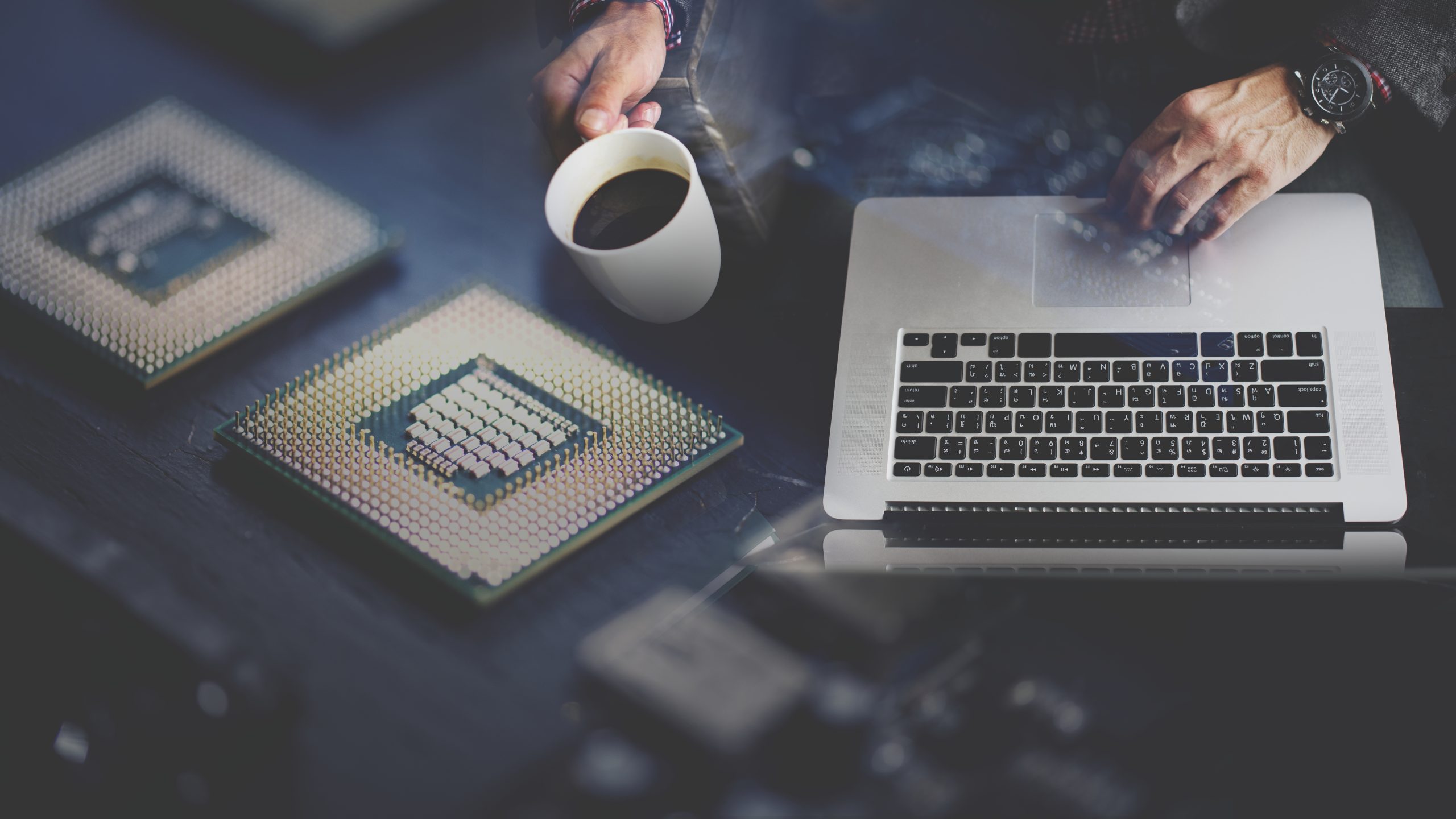
For years, the technology industry was dominated by software innovation, with apps, platforms and digital services driving growth. Now, attention is shifting back toward hardware — as the limits of existing systems become more apparent.
The rapid expansion of artificial intelligence has exposed the need for more powerful and efficient computing infrastructure. Processing large AI models requires specialised chips, advanced cooling systems and new approaches to data handling.
Companies like Nvidia and Intel are at the forefront of this shift, developing processors designed specifically for AI workloads.
At the same time, innovations in areas such as battery technology, sensors and materials are enabling new types of devices, from wearables to advanced robotics.
One key challenge is energy consumption. As computing power increases, so does the demand for electricity, prompting efforts to design more efficient hardware systems.
The renewed focus on hardware reflects a broader realisation: software alone cannot drive the next stage of technological progress without corresponding advances in physical infrastructure.
Experts say the future of technology will depend on the integration of hardware and software, rather than the dominance of one over the other.
In that sense, innovation is becoming more balanced — combining digital intelligence with physical capability.
